The third pillar—behavior—is the one most overlooked, yet it’s critical to long-term success.
From Tool to Teammate
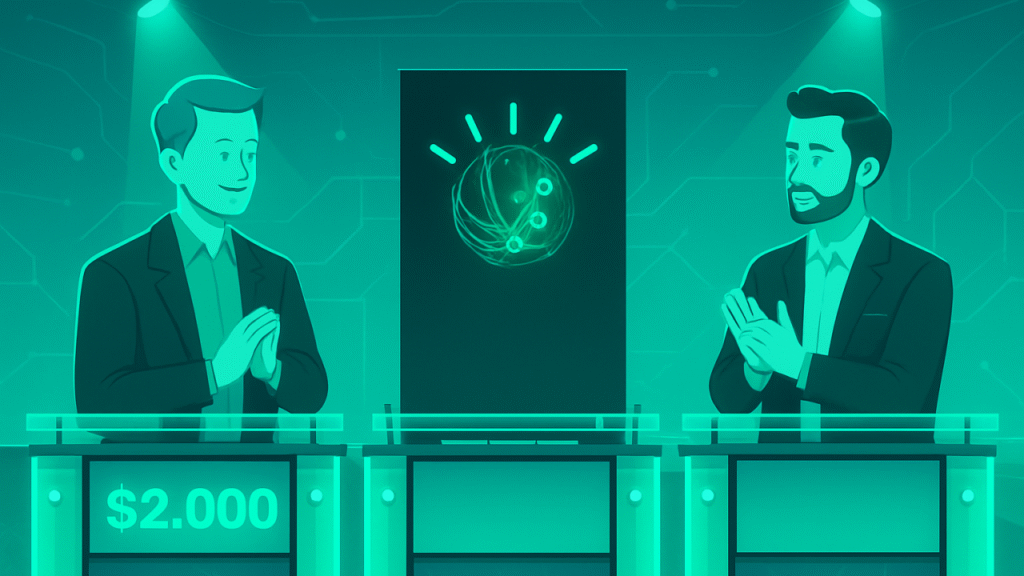
Machines used to be tools. Now, AI is becoming a teammate: conversational, human-like, emotionally present. That shift evokes powerful responses. Some perceive threat or frustration; others over-trust or even fall emotionally attached. People joke about AI as their “therapist” or personal assistant, while others are wary. The emotional impact varies wildly—and is largely unmanaged.
Three Use Cases—and Their Behavioral Pitfalls
- Return on Investment (ROI) AI enhances existing systems—like underwriting or supply-chain optimization. Behavioral risks include:
- Return on Employee AI boosts day-to-day productivity (e.g., Copilot). The challenge? Adoption. While many report saving time, only a few integrate AI deeply. The solution: shift from “tool deployment” to “skill-building.” Micro-learning and peer coaching are far more effective than dashboards or pilots.
- Return on Future Early-stage, venture-like AI bets—often involving agentic AI capable of setting goals. Here, design isn’t just about tech—it’s about creating human–AI relationships. You must intentionally manage depth, duration, and dependency, and anticipate how the bond will evolve.
Red Lights & Missing Humans
Consider an airport that replaced check-in agents with weight kiosks that only display red/green lights. Travelers were forced to hunt down frustrated staff to fix simple luggage issues. Technically, the machines worked—but emotionally, they failed. That’s not poor UX; it’s a failure to design for human behavior—and it’s happening in enterprise AI too.
What CIOs & CISOs Should Do Now
- Track behavioral outcomes with the same rigor as ROI and performance metrics
- Design intentional human–AI relationships, considering emotional reactions and evolutionary patterns
- Co-create future jobs—especially where AI replaces parts of people’s roles
- Guard against skill atrophy and experience compression—don’t let roles ossify or people feel displaced
- Invest in AI literacy via micro-learning, not just flashy tools. Embed skill-building in daily routines
Final Thought
AI isn’t just automating tasks—it’s reshaping how we feel, decide, and relate. For tech leaders, especially CIOs and CISOs, behavioral outcomes are no longer optional—they’re the third critical leg of strategy. Without them, everything else risks collapsing.