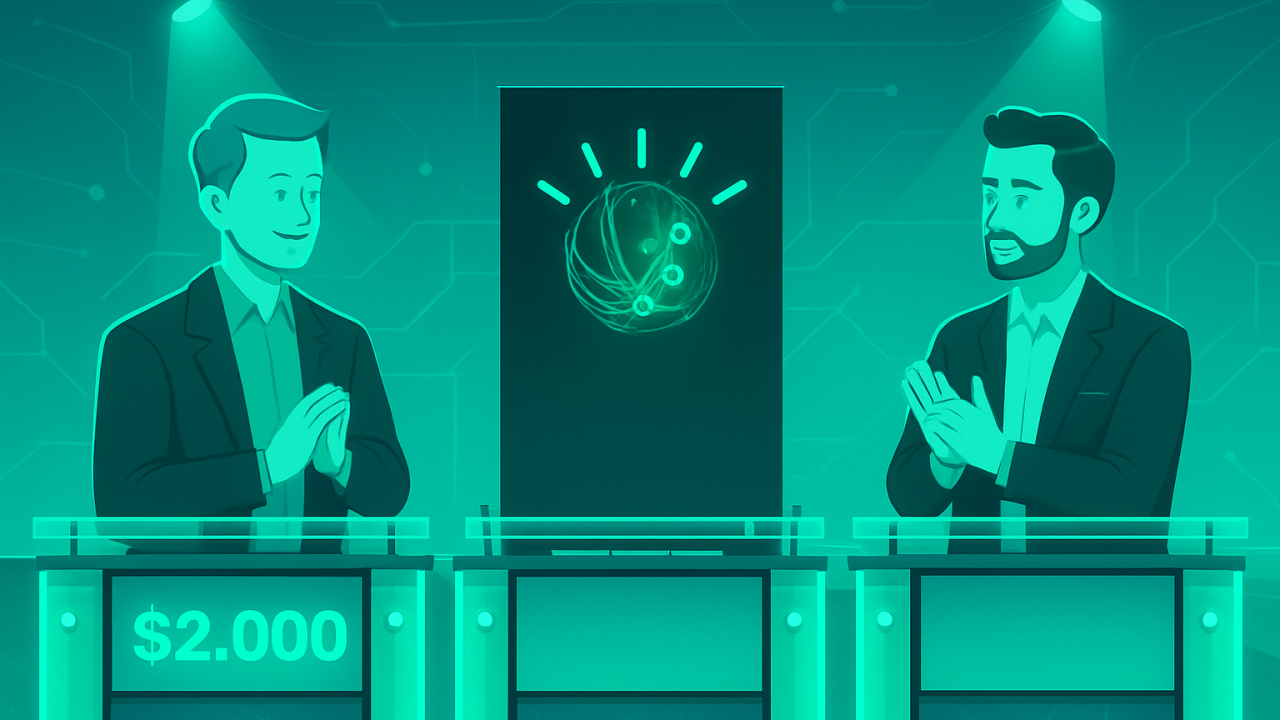
While most enterprise leaders are fixated on AI’s return on investment and technical scalability, they’re missing a critical—perhaps defining—third pillar: behavior. Over the past year, through hundreds of conversations at CxO Security Forum events, interviews with enterprise tech executives, and observations from industry briefings, one theme has become clear: AI is not just transforming workflows. It is reshaping how humans think, act, and feel at work.

If you’re responsible for AI strategy, you’re not just deploying solutions—you’re designing relationships between people and machines. And yet, very few organizations are tracking or managing behavioral outcomes. It’s time we fix that.
Smarter Strategies for CIOs, CISOs, and Procurement to Know Before the Next Renewal

I have long been saying that the way in which enterprise solutions (in general, but cybersecurity in specific) are sold/marketed and evaluated/purchased has been materially broken for a long time. A big part of that is building mutual respect between buyers and sellers.

One of the more meaningful sessions I attended this week at the HIMSS AI in Healthcare Forum in Brooklyn focused not on the flashiest AI capabilities, but on the real-world transformation happening in America’s safety net hospitals and health centers.

While Solution Providers have outstanding offerings showcased at the conference, many of them are costly. Large hospital systems and other healthcare providers can afford the most elegant and innovative solutions for sure, but this article is about a talk from the other end of the spectrum – where budgets are much tighter.

Reflections from the HIMSS AI in Healthcare Forum today in Brooklyn

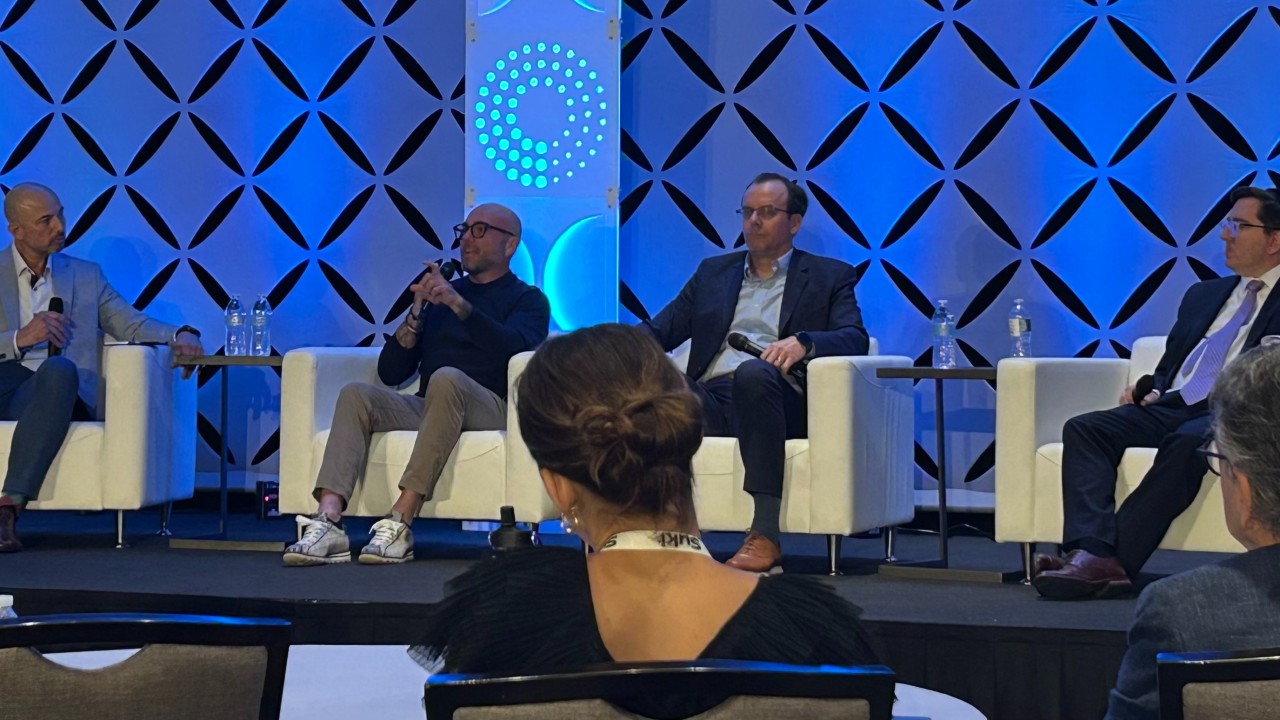
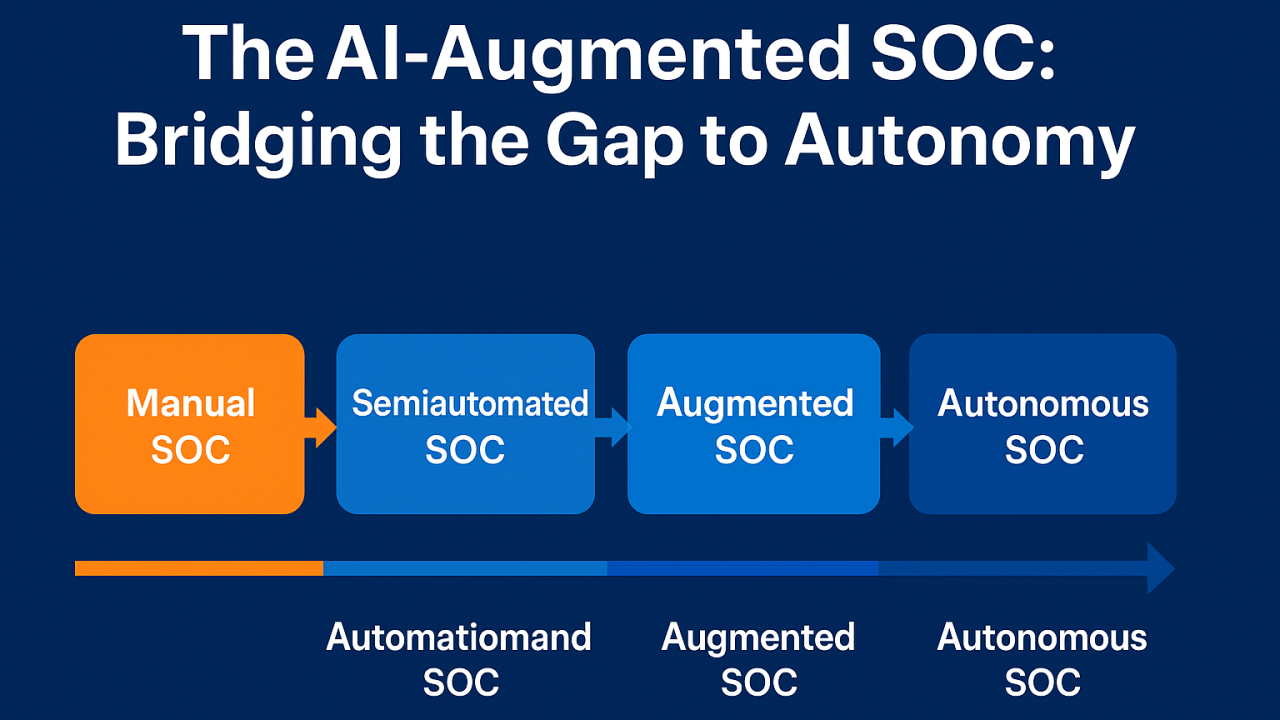
TODAY at the HIMSS AI in Healthcare Forum , I had the opportunity to sit in on one of the more thought-provoking discussions of the event: The Future of Healthcare with Agentic AI. The conversation, led by executives from NYU Langone, Hyland, Soothien HealthTech, and MATTER, tackled a key emerging question: how do we move from simple bots and rules-based automation into the domain of autonomous agents in healthcare?

If you’ve spent more than five minutes in cybersecurity leadership lately, you’ve probably been overwhelmed by it: hype. Whether it’s the latest AI breakthrough, a new vendor claiming to end ransomware forever, or regulatory shifts generating boardroom panic, the noise is constant. But what if hype isn’t just a distraction? What if it’s a lever?

As someone who has worked closely with members of the U.S. Secret Service over the years, I walked into Evy Poumpouras’ keynote at the Gartner Security & Risk Management Summit with high expectations. Her impressive credentials—a former Secret Service agent, polygraph examiner, and interrogator—suggested we’d be in for a tactical, high-impact session.

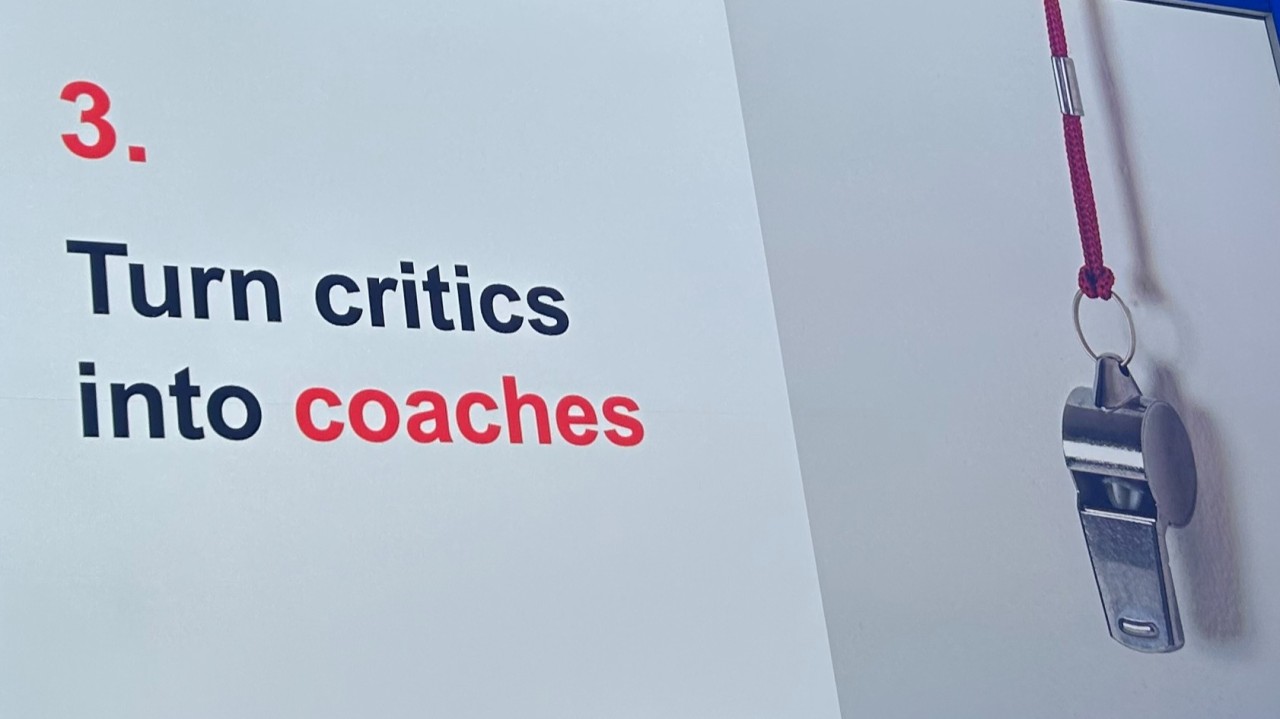
At the 2025 Gartner Security & Risk Management Summit, Adam Grant — The Wharton School psychologist, bestselling author, and host of the podcasts WorkLife and Re:Thinking—delivered a keynote that left the ballroom buzzing. His topic: “Unlocking Hidden Potential.” But this wasn’t your typical motivational session. With humor, data, and disarming vulnerability, Grant challenged security leaders to rethink how they cultivate growth—both in themselves and across their organizations.