RAPIDS 2026
The Water & Critical Infrastructure Security Summit
8 December 2026
Securing the Systems
That Manage the Colorado River
Days
Hours
Resilient & Adaptive Cyber Protection of Industrial Control Devices & Systems
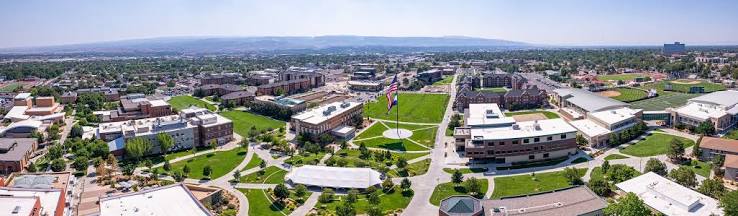
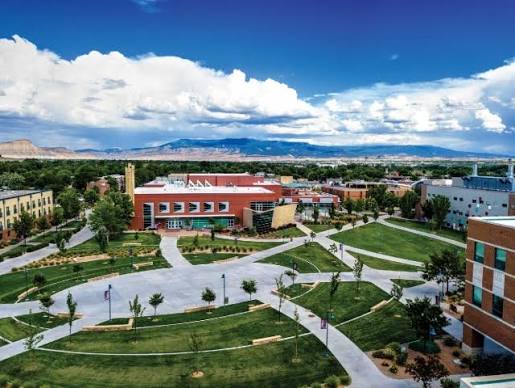
Hosted at Colorado Mesa University · Grand Junction, Colorado

Participants
FULL Registration is just $75
(includes breakfast, lunch, full access)
Why the Colorado River Is a Cybersecurity Problem
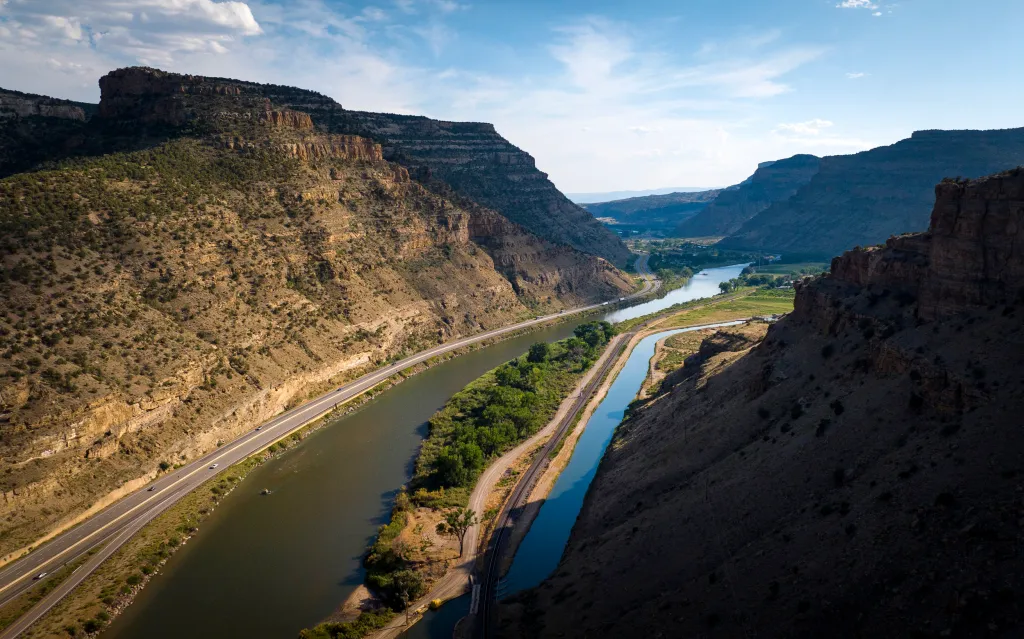
Forty million Americans drink, irrigate and power their lives from the Colorado River, and much of the infrastructure that moves it is still run by hand, because the control systems that could automate it aren’t secure. RAPIDS 2026 brings water operators, CISOs, OT engineers, policymakers and Colorado Mesa University students to Grand Junction, Colorado, where about 68% of the river’s volume passes, for one practitioner-first day on securing the industrial control systems behind critical infrastructure. Short framing talks, then roundtables under Chatham House Rules. The conversation belongs to the room.
Why it matters:
- ~40M people served
- ~25% of U.S. economic activity
- ~5M acres irrigated
- 2–4M acre-foot annual deficit
- ~68% of the river’s flow passes through Grand Junction, Colorado
What is RAPIDS?
RAPIDS (Resilient & Adaptive Cyber Protection of Industrial Control Devices & Systems) is a consortium building a repeatable model for securing the industrial control systems behind critical infrastructure, starting with the Colorado River. Its first step is Minimum Viable Measurement: the smallest set of secure, verifiable measurements every stakeholder can trust. Partners include Colorado Mesa University, Grand Junction Economic Partnership, the Colorado River District, the City of Grand Junction, Mesa County and Colorado Office of Economic Development & International Trade (OEDIT). [Learn more at rapidsproject.com]
Who Should Attend:
- Water and utility leaders: district GMs, operations and engineering
- CISOs, CIOs and security leaders responsible for OT, ICS or SCADA
- Public-sector and emergency-management leaders
- Technology and measurement partners (by invitation)
- Academic, workforce and CMU students
- Funders
Technology and measurement partners attend by invitation. No vendor pitches.
How the day works:
Short framing talks in the morning. In the afternoon, peer-only roundtables, each seeded by a speaker:
- Defining Minimum Viable Measurement
- Hardening what’s already deployed
- The workforce pipeline
- Funding & partnership
The day closes with table report-outs and a draft set of shared principles.
Agenda - 8 December 2026
8:30 | Registration & coffee | |
9:00 | Welcome & civic framing | Michael Hiskey (Emcee) · Mayor Cody Kennedy |
9:15 | The RAPIDS vision | Kurtis Minder |
9:40 | Keynote: The threat landscape | Richard Stiennon |
10:10 | Morning break | |
10:30 | Cyber-physical risk in water systems | Beau Woods |
11:05 | Measurement & data integrity (MVM) (topic to be confirmed) | Dean Ford |
11:40 | Operator & implementation view (topic to be confirmed) | Andy Mueller |
12:10 | Lunch provided by Colorado Mesa University | |
1:10 | Building the workforce | Taylor Banks |
1:45 | Panel: Securing the Colorado | Moderated by Michael Hiskey · all speakers |
2:25 | Afternoon break | |
2:40 | Closing & call to action | Kurtis Minder |
3:00 | Networking reception | |
Registration & Coffee
8:30 AMWelcome & Civic Framing
9:00 AMWhy Grand Junction?
Building a National Model for Critical Infrastructure Security in Western Colorado
Grand Junction sits at the intersection of water, energy, agriculture, technology, and economic development. With much of the Colorado River's flow passing through the region, the Western Slope offers a unique opportunity to tackle challenges that extend far beyond Colorado.
Curtis Englehart, Executive Director of the Grand Junction Economic Partnership, will explain why the region is positioned to become a center for critical infrastructure cybersecurity innovation. Through collaboration among industry, government, Colorado Mesa University, and the local business community, RAPIDS aims to create new opportunities for economic development, workforce growth, and technologies that can help protect essential infrastructure across the country.
9:10 AMThe RAPIDS Vision
Securing the Colorado River and Building a Blueprint for Critical Infrastructure Everywhere
The Colorado River supports 40 million Americans, yet much of the infrastructure responsible for measuring, controlling, and distributing its water was never designed for today's connected, cyber-threatened world. Some systems remain largely manual, while others rely on aging operational technology and fragmented networks.
Kurtis Minder, cybersecurity entrepreneur, author, and leader of the RAPIDS initiative, will introduce an ambitious plan to change that. RAPIDS brings together public agencies, utilities, engineers, cybersecurity experts, and academic institutions around three priorities: securing systems already in place, designing the next generation of infrastructure securely, and establishing the long-term capabilities needed to operate and defend these systems.
Starting with the Colorado River, the objective is to develop a practical, repeatable model that communities and critical infrastructure operators can adopt nationwide.
9:20 AMKeynote: The Threat Landscape
Cyberwar Comes Home. The Evolving Threat Landscape for America's Critical Infrastructure
Cyberattacks are no longer confined to stolen data, disrupted websites, and corporate networks. Nation-state adversaries, ransomware groups, and increasingly capable attackers are targeting the systems that support energy, water, transportation, communications, and essential public services.
Richard Stiennon, Chief Research Analyst at IT-Harvest and author of There Will Be Cyberwar and Surviving Cyberwar, brings a global perspective on the changing cybersecurity landscape. Drawing on decades of research into cyber conflict, security technology, and emerging threats, Richard will examine the forces reshaping critical infrastructure security, the growing exposure of operational technology, and what these developments mean for public and private infrastructure operators.
The central question: Are we preparing to defend the infrastructure we actually depend on, or still fighting yesterday's cybersecurity battles?
9:40 AMFireside Chat: Defending America's Largest City. Cybersecurity, Crisis Management & 100+ Government Agencies [Discussion Pod #4]
How do you protect the essential services of a city with more than eight million residents, over 100 government agencies, and an enormous collection of interconnected networks, applications, and operational systems?
Kelly Moan, former Chief Information Security Officer of New York City and former CISO of the NYPD, joins Michael Hiskey for a candid conversation about cybersecurity leadership at municipal scale. From managing cyber risk across diverse agencies to responding to incidents that threaten essential services, Kelly will share lessons from the front lines of public-sector cybersecurity.
The discussion will explore how to establish common security practices across independent organizations, prioritize limited resources, prepare for major disruptions, and maintain public trust when technology fails. These are challenges every municipality faces, regardless of its size.
10:10 AMWhen Cyber Risk Becomes Physical Risk: Protecting the Systems That Keep Communities Running
What happens when a cybersecurity failure moves beyond stolen information and begins affecting physical equipment, public safety, or essential services?
Beau Woods, founder of Stratigos Security, leader of the I Am The Cavalry initiative, and former Senior Advisor at CISA, has spent years connecting cybersecurity research with the safety of connected systems. His work spans healthcare, automotive, energy, industrial control systems, and other technologies where digital vulnerabilities can have real-world consequences.
Beau will explore the unique challenges of protecting operational technology, including aging equipment, long deployment cycles, limited visibility, and the tension between maintaining availability and introducing security controls. Drawing lessons from multiple industries, he will examine how organizations can manage cyber-physical risk while continuing to operate the infrastructure their communities rely on.
10:45 AMDefend. Harden. Prevail: A Practical CISA Playbook for Water & Critical Infrastructure
Cybersecurity can look very different at a major utility than it does at a small water district with a handful of employees, an outside integrator, aging control systems, and little or no dedicated cybersecurity staff. The answer cannot be the same for everyone.
Dave Sonheim, Chief of Cybersecurity for CISA Region 8, will give RAPIDS participants a practical look at how CISA works with critical infrastructure owners and operators across Colorado and the Mountain West, particularly organizations responsible for OT, ICS, SCADA and essential services.
Rather than starting with a massive assessment or a long list of security requirements, CISA's approach is to meet an organization where it is. That can mean establishing basic governance, understanding assets and dependencies, identifying vulnerabilities, working alongside existing integrators, testing systems when the organization is ready, and building relationships before an incident occurs.
Dave will connect CISA's new Defend, Harden, Prevail strategy directly to the RAPIDS mission and explain the no-cost resources available to water systems and other critical infrastructure operators, from cybersecurity advisors and vulnerability scanning to risk assessments, architecture reviews, incident-response support and specialized OT/ICS capabilities.
The objective is simple: give every operator in the room a clearer understanding of what they can do next, what help is available, and who they should already know before something goes wrong
11:10 AMRunning the Colorado River: Water Security, Competing Demands & the Reality of Critical Infrastructure Operations
Managing the Colorado River is far more complicated than controlling the flow of water. Its resources must support communities, agriculture, industry, power generation, and ecosystems across multiple states, while operators navigate aging infrastructure, growing demand, prolonged drought pressures, and increasingly complex regulatory and operational requirements.
Andy Mueller, General Manager of the Colorado River District, brings the perspective of the organizations and communities that depend on the river every day. Representing water interests across 15 Western Slope counties, Andy will discuss the operational realities of managing this vital resource and why reliable information, resilient infrastructure, and trusted coordination among stakeholders matter.
His perspective will help connect the RAPIDS cybersecurity mission with the practical requirements of water management, ensuring that technology and security improvements support the people responsible for keeping the river working.
11:35 AMTrust but Verify: Minimum Viable Measurement and the Foundation of Secure, Connected Water Systems
Before we can secure, automate, or intelligently manage critical infrastructure, we need to know what is happening inside it, and whether the information we're receiving can be trusted.
Dean Ford, Co-founder and Managing Principal Engineer at Muddy Paws Automation, brings more than 30 years of experience in industrial automation, process control, water utilities, and IT/OT convergence. He will examine the concept of Minimum Viable Measurement (MVM), an essential starting point for the RAPIDS initiative.
What should every water operator be able to measure? How do we establish confidence in sensors, devices, communications, and operational data? And how can smaller utilities adopt secure monitoring without requiring enterprise-scale budgets or technical teams?
Dean will explore how trusted measurement, practical engineering standards, and secure-by-design architecture can provide the foundation for modernizing water infrastructure while maintaining operational reliability.
12:00 PMLunch
Participants will enjoy a lovely full hot lunch provided by Colorado Mesa University.
12:30 PMBuilding the Workforce
1:25 PMFeatured Executive Panel: From Vision to Reality: Who Will Secure the Colorado River, Who Pays, and Where Do We Start?
Everyone agrees that critical infrastructure must be more secure. But turning that agreement into an operational program raises difficult questions. Who is responsible for securing systems that span hundreds of independent operators? How do we establish common standards without imposing costs and complexity that smaller utilities cannot support? Who funds modernization, and who remains accountable when something fails?
This executive panel brings together leaders from CISA, municipal cybersecurity, water management, industrial engineering, and the RAPIDS initiative for a practical discussion about what it will take to secure and modernize the systems behind the Colorado River.
The conversation will examine where federal support meets local responsibility, how operators and technology partners can work together, and what a sustainable security model should look like across organizations of dramatically different sizes and capabilities.
Rather than simply identifying problems, panelists will tackle the decisions that must be made to move RAPIDS forward, setting the stage for the afternoon's collaborative roundtables and concrete next steps.
Panelists:
- Kurtis Minder - RAPIDS vision and strategy
- Dave Sonheim - Federal resources and coordination
- Kelly Moan - Municipal security and resilience
- Beau Woods - Cyber-physical safety and security
- Dean Ford - Engineering and implementation
Moderated by Michael Hiskey, Founder, CxO Security Forum
1:45 PMInteractive Roundtables: The RAPIDS Working Sessions: Four Challenges, Four Tables, One Action Plan
The morning's presentations establish the challenge. Now it's time for the people in the room to help shape the response.
Working in small groups under Chatham House Rules, participants will join RAPIDS speakers and discussion leaders to explore four priorities essential to securing the Colorado River's critical infrastructure: defining Minimum Viable Measurement standards, hardening existing operational systems, building the next generation of cybersecurity talent, and developing sustainable funding and partnership models.
These are working conversations, not presentations. Each table will identify practical opportunities, barriers to implementation, and recommended next steps.
The objective is to begin translating shared concerns into common principles, actionable commitments, and a foundation for continued collaboration across the RAPIDS community.
2:15 PMRoundtable Report-Outs: The Grand Junction Challenge: From Conversation to Commitments
What can we accomplish together that no single water district, utility, government agency, or technology provider can do alone?
Each roundtable will share its most important findings, including recommendations, unresolved challenges, and opportunities for collaboration. Moderated by Michael Hiskey, this closing working session will bring the day's conversations together around a proposed set of common principles for securing and modernizing water infrastructure.
The goal is to leave Grand Junction with more than a collection of presentations: a clearer path forward for Minimum Viable Measurement, stronger partnerships, and specific next steps that can help turn the RAPIDS vision into an operational reality.
2:35 PMMovie Screening: “Midnight in the War Room”
A Documentary on Cyber Warfare, the People on the Front Lines, and the Fight to Protect Our Digital World
Cyber warfare is no longer a distant threat or a hypothetical scenario. It is happening every day, targeting the critical systems, infrastructure, businesses, and institutions that society depends on.
Midnight in the War Room is a compelling documentary that takes viewers inside the escalating battle between nation-state adversaries, cybercriminal organizations, and the cybersecurity professionals working tirelessly to defend against them.
Featuring more than 50 prominent voices from cybersecurity, national security, intelligence, journalism, and the hacker community, the film brings together an extraordinary collection of perspectives, including former U.S. National Cyber Director Chris Inglis, former CIA Director General David Petraeus, former CISA Director Jen Easterly, and cybersecurity researcher Marcus Hutchins.
Beyond the technology and headlines, the documentary explores the human side of cyber warfare: the immense responsibility placed on CISOs and security teams, the pressure of defending increasingly interconnected systems, the psychology of attackers, and the personal toll of constantly operating on the front lines.
From hospitals and financial institutions to power grids, water systems, and critical infrastructure, the stakes extend far beyond data breaches. The consequences of cyberattacks can affect public safety, economic stability, and national security.
Midnight in the War Room offers an important perspective on the challenges facing today's cybersecurity leaders and serves as a powerful reminder that resilience requires more than technology. It demands leadership, preparation, collaboration, and a commitment to staying ahead of an evolving threat landscape.
This is more than a film about cyber threats. It is a story about the people defending our way of life—and why their mission matters to everyone.
3:00 PMClosing & Call to Action
5:00 PMNetworking Reception
Join us for refreshments, food, cocktails & discussions
5:30 PMA Full-Day Convening of the RAPIDS Consortium
**REGISTER **
(After your request is approved, you will receive a confirmation email & calendar invite)
Speakers & Discussion Leaders
Agenda is still being confirmed — planned Discussion Leaders include:
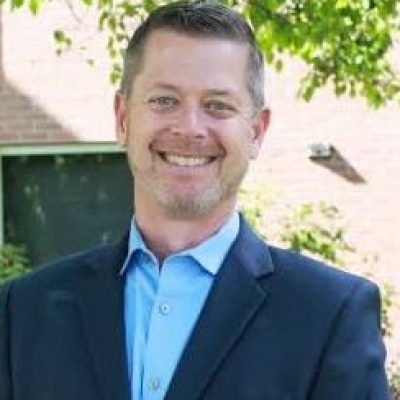
Cody Kennedy
CIVIC WELCOME
Council Member (District A) &
former Mayor, City of Grand Junction
Cody Kennedy represents District A on the Grand Junction City Council. He was first elected in April 2023 and re-elected in 2025, and served as Mayor for the 2025–2026 term.
Before joining council, Kennedy served Grand Junction for 17 years as a police officer, finishing his career as a detective investigating complex financial crimes and homicides.
He is a small-business owner with 20 years in the Grand Valley's housing sector and volunteers with a local nonprofit helping residents facing housing scarcity. His council priorities include fiscal responsibility, affordable housing and public safety.

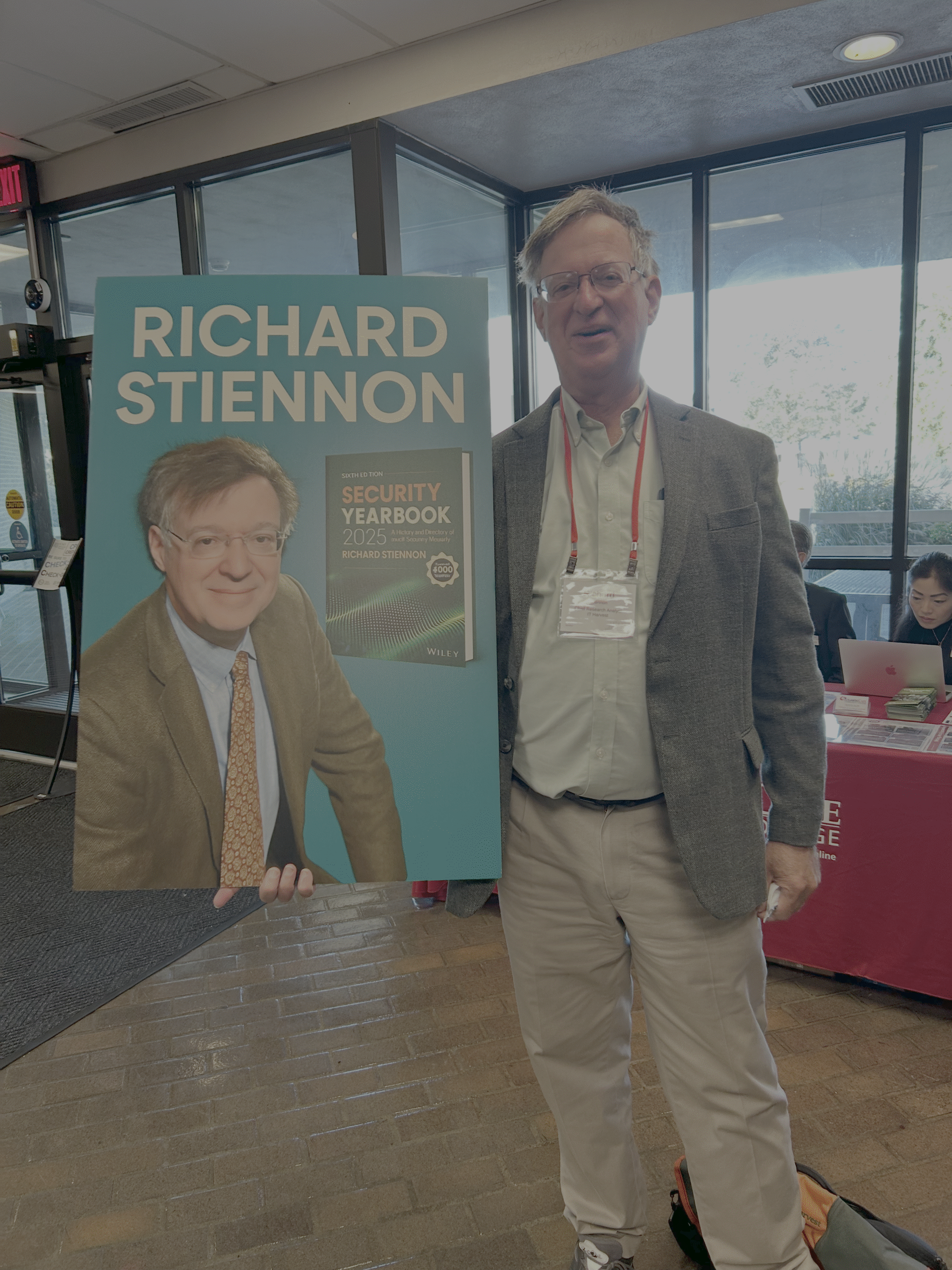
Richard Stiennon
Chief Research Analyst - IT Harvest
frmr. VP of Research - Gartner
Richard Stiennon is Chief Research Analyst at IT-Harvest, the data-driven research firm he founded in 2005 to track the vendors that make up the IT security industry. He joined Gartner in 2000 as its second security analyst and rose to VP of Research, then served as VP of Threat Research at Webroot, CMO at Fortinet and Chief Strategy Officer at Blancco Technology Group.
He has written ten books on cybersecurity and the analyst industry, including There Will Be Cyberwar, Surviving Cyberwar and the Security Yearbook series (Wiley). He has spoken in 29 countries on six continents and holds a BS in Aerospace Engineering from the University of Michigan and an MA in War in the Modern World from King's College London.
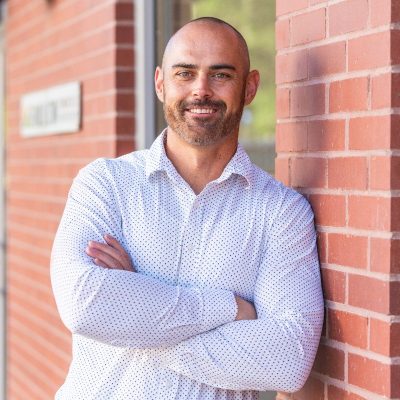
Curtis Englehart
REGIONAL DEVELOPMENT
Executive Director, Grand Junction Economic Partnership
Curtis Englehart is Executive Director of the Grand Junction Economic Partnership (GJEP), leading economic growth, business development and talent attraction for Grand Junction and Mesa County. He took the role in August 2022, bringing nearly a decade of senior leadership in workforce and economic development.
He previously directed the Mesa County Workforce Center, which he joined in 2015, building partnerships across education, industry and government, and earlier served as a Human Services Administrator with Mesa County. A Western Slope native, he holds a Business Administration degree from Colorado Mesa University.
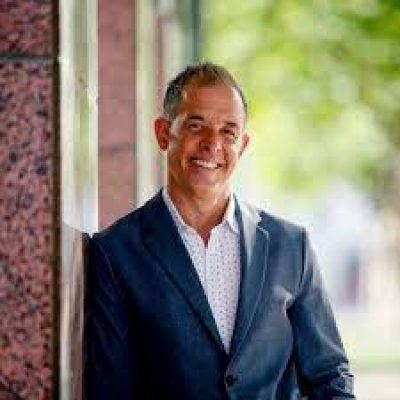
Kurtis Minder
RAPIDS · Principal, Ping Theory
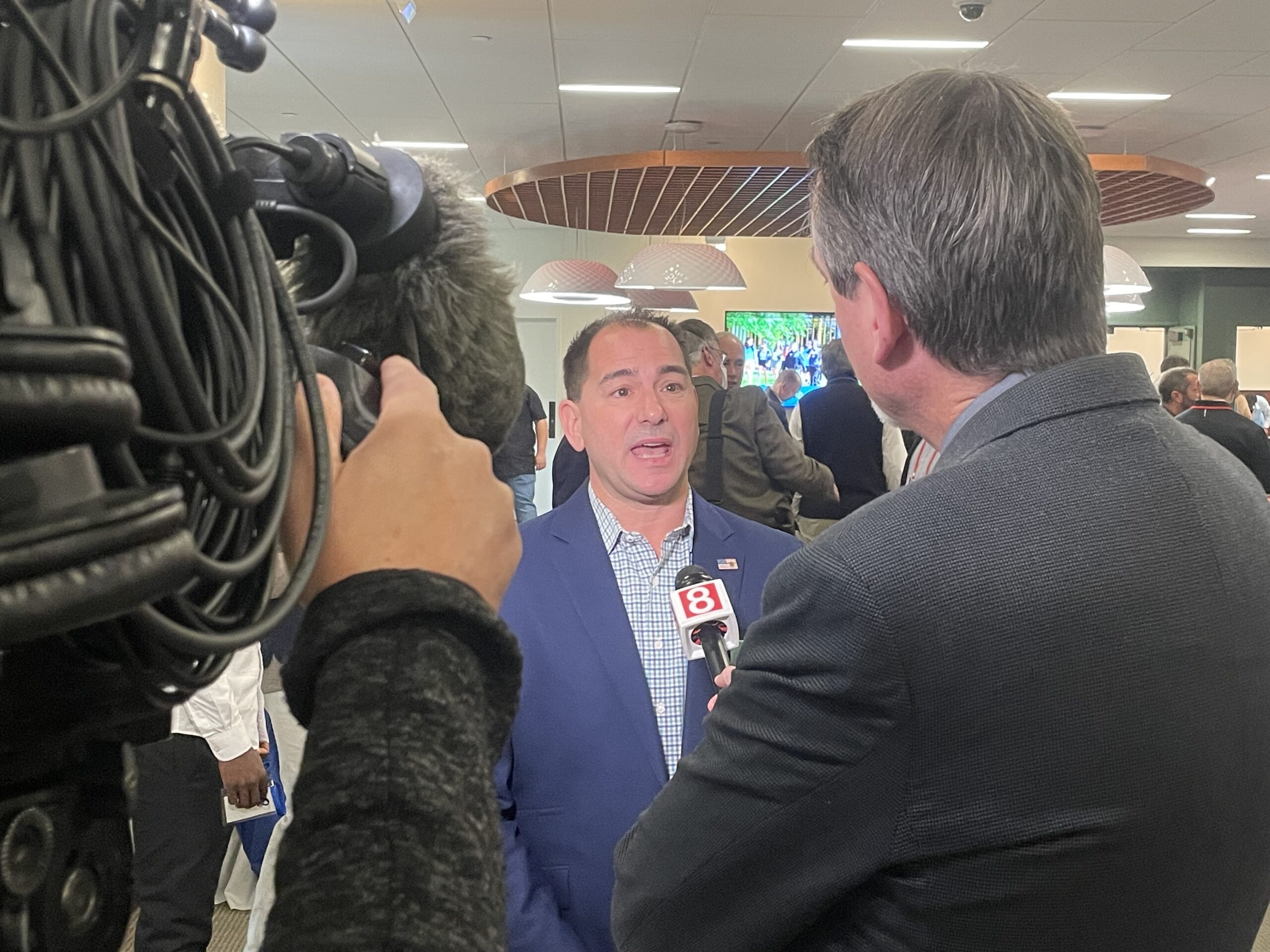
Kurtis Minder is a technologist, negotiator and author who leads RAPIDS, a Grand Junction initiative using technology and shared data to secure and manage the systems behind the Colorado River.
Minder has more than 20 years in information security. He co-founded GroupSense, a digital risk protection and cyber reconnaissance company founded in 2014, and served as its CEO, building its threat-intelligence operation and leading some of the largest ransomware and data-extortion negotiations on record. Cognyte acquired GroupSense in May 2025. He now advises cybersecurity technology companies and serves as a cyber board advisor.
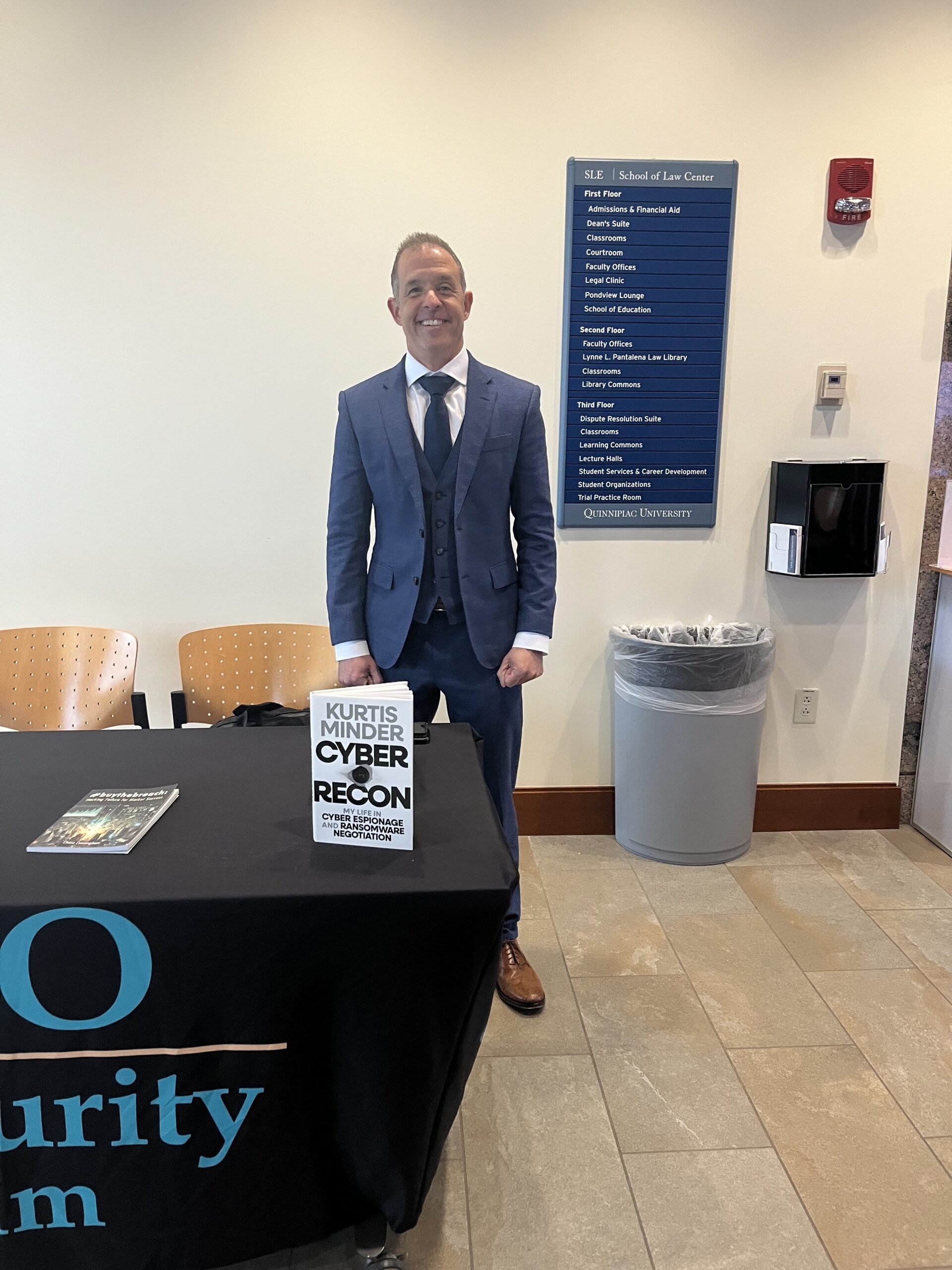
He is the author of Cyber Recon: My Life in Cyber Espionage and Ransomware Negotiation (Wiley, 2025) and holds a FEMA certification in Critical Infrastructure Protection. His work has been covered by The New Yorker, Fortune, WIRED, VICE, CNN and Good Morning America.
Beau Woods
CRITICAL-INFRASTRUCTURE SECURITY
Founder & CEO, Stratigos Security
Beau Woods has more than 20 years advising on cybersecurity, risk and strategy. He is founder and CEO of Stratigos Security, a leader of the I Am The Cavalry grassroots initiative, and a bridge between security researchers and policymakers, focused on making connected technology that affects human life and safety worthy of trust.
He leads Policy @ DEF CON, is a Cyber Safety Innovation Fellow with the Atlantic Council and a founding member of the ICS Village. He previously served as a Senior Advisor at CISA, Entrepreneur in Residence at the U.S. FDA and Managing Principal Consultant at Dell SecureWorks, and has advised Congress, the White House and the energy, healthcare, automotive, aviation and rail sectors.
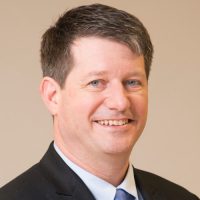
Dean Ford, CAP, PE
MEASUREMENT & DATA INTEGRITY
Co-founder & Managing Principal Engineer, Muddy Paws Automation
Dean Ford is co-founder and Managing Principal Engineer of Muddy Paws Automation, an operations-first consultancy for plant systems and water utilities, and co-founder of OTEMIS, which is building an AI-powered observability platform linking IT and OT data to physical process behavior. His career spans more than 30 years in manufacturing and utility automation, from process control and industrial IT to IT/OT convergence.
A licensed control-systems engineer in 24 states, Certified Automation Professional and ISA Senior Member, he is past chair of AWWA's Water Utility Technology and Automation Committee and active in WEF and SWAN. He speaks widely on keeping critical infrastructure running, including at BSides Las Vegas. He holds a BSEE from Missouri S&T and an Executive MBA from the University of Maryland.
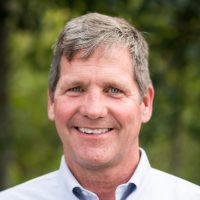
Andy Mueller
WATER OPERATIONS
General Manager, Colorado River District
Andy Mueller is General Manager of the Colorado River District, the public water-policy agency representing 15 Western Slope counties; he succeeded longtime GM Eric Kuhn in 2018. Before that he spent 23 years in private law practice on the Western Slope, handling water, natural-resource, land-use and community matters, first in Ouray and later in Glenwood Springs.
He represented Ouray County on the River District's board from 2006 to 2015, serving as Board President his final two years. He sits on the advisory board of the Family Farm Alliance and is an ex-officio member of the Water for Tribes Initiative Advisory Board. He holds a JD from the University of Colorado and a BA in history from Kenyon College.

Taylor Banks
WORKFORCE & SECURITY COMMUNITY
Principal, Cyber Summit Co.
Taylor Banks has worked in IT since 1992 and in information security since 1997, specializing in applied hacking and countermeasures. He founded ACE Hackware in 2011 and has delivered penetration testing and security training for corporations, the United Nations, the National Weather Service, several U.S. military branches and federal agencies.
Earlier he was a Senior Security Engineer at VeriSign and Chief Security Architect at InfoWeapons.
A longtime voice on privacy and anonymity, he co-founded the kaos.theory security research group, which created the Anonym.OS live CD, and led DC404, Atlanta's DEF CON group, from 2003 to 2013. He has spoken at or volunteered for DEF CON, Black Hat and Security BSides.
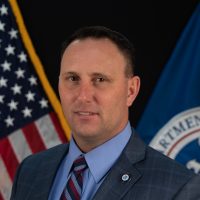
Dave Sonheim
Regional Chief of Cybersecurity , Cybersecurity and Infrastructure Security Agency
Dave Sonheim currently serves as the Chief of Cybersecurity for CISA Region 8 headquartered in Lakewood, CO. In this capacity, he oversees a growing team of Cybersecurity Advisors (CSAs) and Cybersecurity Coordinators (CSCs) stationed throughout the region in the states of Colorado, Montana, North and South Dakota, Utah, and Wyoming. Working with his team, Mr. Sonheim leads Region 8’s Cybersecurity program promoting cyber resilience and preparedness through public and private sector partnerships, engagement activities, and by performing risk and resilience-based assessments. Mr. Sonheim is also a member of the National Guard and was part of the Colorado Department of Transportation response to the 2018 ransomware attack.
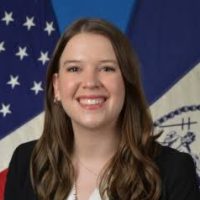
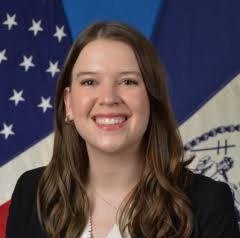
Kelly Moan
FIRESIDE · Former CISO, City of New York
Kelly Moan served as Chief Information Security Officer of the City of New York, the first woman to hold the role, leading NYC Cyber Command in defending the largest municipal network in the United States across more than 100 agencies serving over 8 million residents.
During the global CrowdStrike outage her team kept essential city services running, and in 2022 she launched the NYC Cyber Academy to train city employees in incident response.
Before that she was CISO of the NYPD, and earlier a Division Chief at the U.S. Department of Homeland Security leading security architecture and engineering, where she also served as FedRAMP Joint Authorization Board technical representative to the CIO.
She is a Fellow at George Mason University's National Security Institute and holds degrees from American University and Penn State.
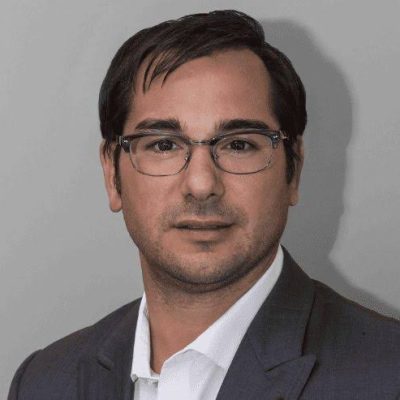
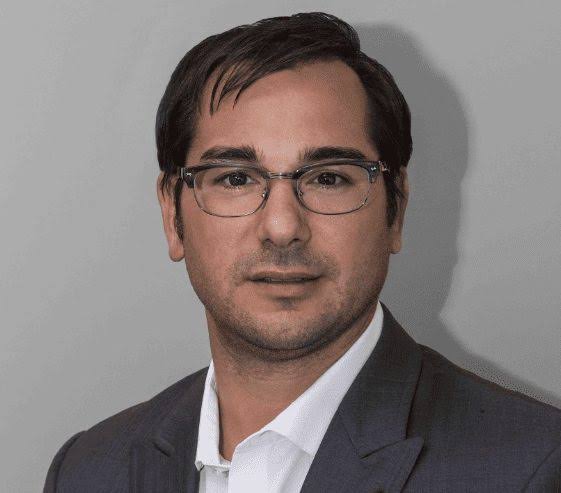
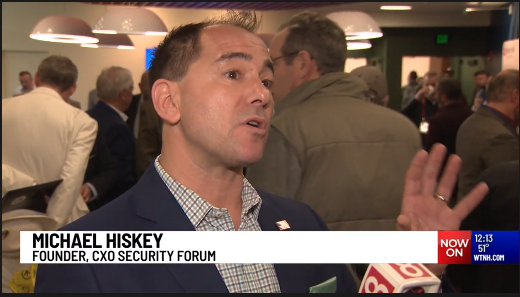
Michael Hiskey
[Moderator]
Founder, CxO Security Forum
Founder and Chief Strategy Officer of the CxO Security Forum, a community-led, practitioner-first series convening senior security executives. Serves as master of ceremonies for the summit and moderates the afternoon roundtable report-outs.
Michael brings 20+ years in enterprise B2B strategy across cybersecurity, fintech, data and AI, including CMO and CSO roles at Avanan, Semarchy, Socure, Kognitio, Trifacta, Data Connectors and Engagez, and nearly a decade at IBM, including time in Brazil.
He holds an Executive MBA from Columbia Business School and a BS from the University at Albany, and has guest-lectured at St. John's and Baruch.
An author, moderator and speaker, he has been published in Forbes, InformationWeek, WSJ.com and ITProPortal and has appeared on CNBC and C|Net.









About CxO Forum
CxO Security Forum began as a response to a common frustration among senior cybersecurity leaders: the way enterprise solutions are marketed, sold, and evaluated is fundamentally broken. What started as a call for change has grown into a trusted community that puts executive practitioners at the center of the conversation.
We bring together CISOs, CIOs, and senior decision-makers who are responsible for protecting their organizations, guiding strategic risk, and navigating the evolving role of AI in security. Every forum, gathering, and conversation is designed to foster education, mentoring, and authentic peer connection.
What makes us different is our focus on relationships. Our events are intentionally small, curated, and built for real dialogue. Sponsors are carefully selected, and there are no product pitches. Participants come for thoughtful, actionable conversations that support both professional development and practical decision-making.
At CxO Security Forum, the goal is simple. Give experienced leaders a space to learn from one another, to share insight, and to build meaningful connections that last beyond the event itself.
Location
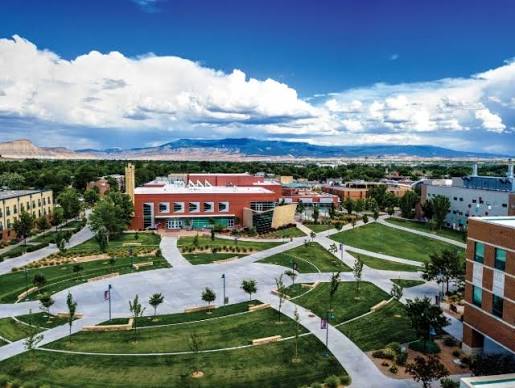
Colorado Mesa University
1100 North Avenue
Grand Junction, CO 81501-3122
© 2025 CxO Security Forum. All rights reserved