Detroit Cybersecurity & Fraud Forum
A Collaborative Practitioner-Led Executive Gathering
Thursday 16 April 2026
Days
Hours
Minutes
Seconds
A highly curated, single-track Forum for off-the-record discussion—without sales pitches, vendor theater, or commerical conference noise.
Hosted at Eastern Michigan University, the Forum replaces traditional conference formats with short, insight-driven talks and deeply moderated peer discussion—designed for leaders who value practical experience over marketing narratives.

Participants
Hurry! Early registration is just $25
(includes Breakfast, lunch, full conference pass & CPEs!)
Solution Providers
Supporters:
Only 10 non-competitive Solution providers will be invited to sponsor, and must be vetted by the Community.
Who Should Attend: CISOs, CIOs, and Cyber Leaders
This Forum is designed for Director-level and above leaders from end-user organizations, including:
CISOs, CIOs, CTOs
Heads of Cybersecurity, Fraud, Risk, and Compliance
Security, Identity, and GRC leaders in regulated industries
Public-sector and higher-education security executives
Solution providers may participate by invitation only and in clearly defined roles that support discussion—not product marketing.
What Makes This Different
Most cybersecurity conferences prioritize scale, sponsorship, and lead generation.
This Forum prioritizes:
Depth over volume
Conversation over content dumping
Peer credibility over promotion
Discussion Leaders open each session with short, TED-style framing remarks. From there, the room does the work—sharing lived experience, trade-offs, and lessons learned under Chatham House Rules.
Agenda Highlights
(More details coming soon)
🔐 Federal Infrastructure Risk & AI Reality Check
Featuring: Dr. Madhu Gottumukkala, Acting Director, Cybersecurity and Infrastructure Security Agency (CISA)
- Dr. Gottumukkala leads CISA’s mission to reduce risk across the nation’s critical cyber and physical infrastructure. Drawing on experience as both a state CIO and federal leader, he will address how national cybersecurity priorities are aligning with real-world enterprise challenges — and what AI-driven risk means for public-private collaboration moving forward.
📚 Richard Stiennon
former Gartner VP Analyst and author of 10+ books including Security Yearbook 2025
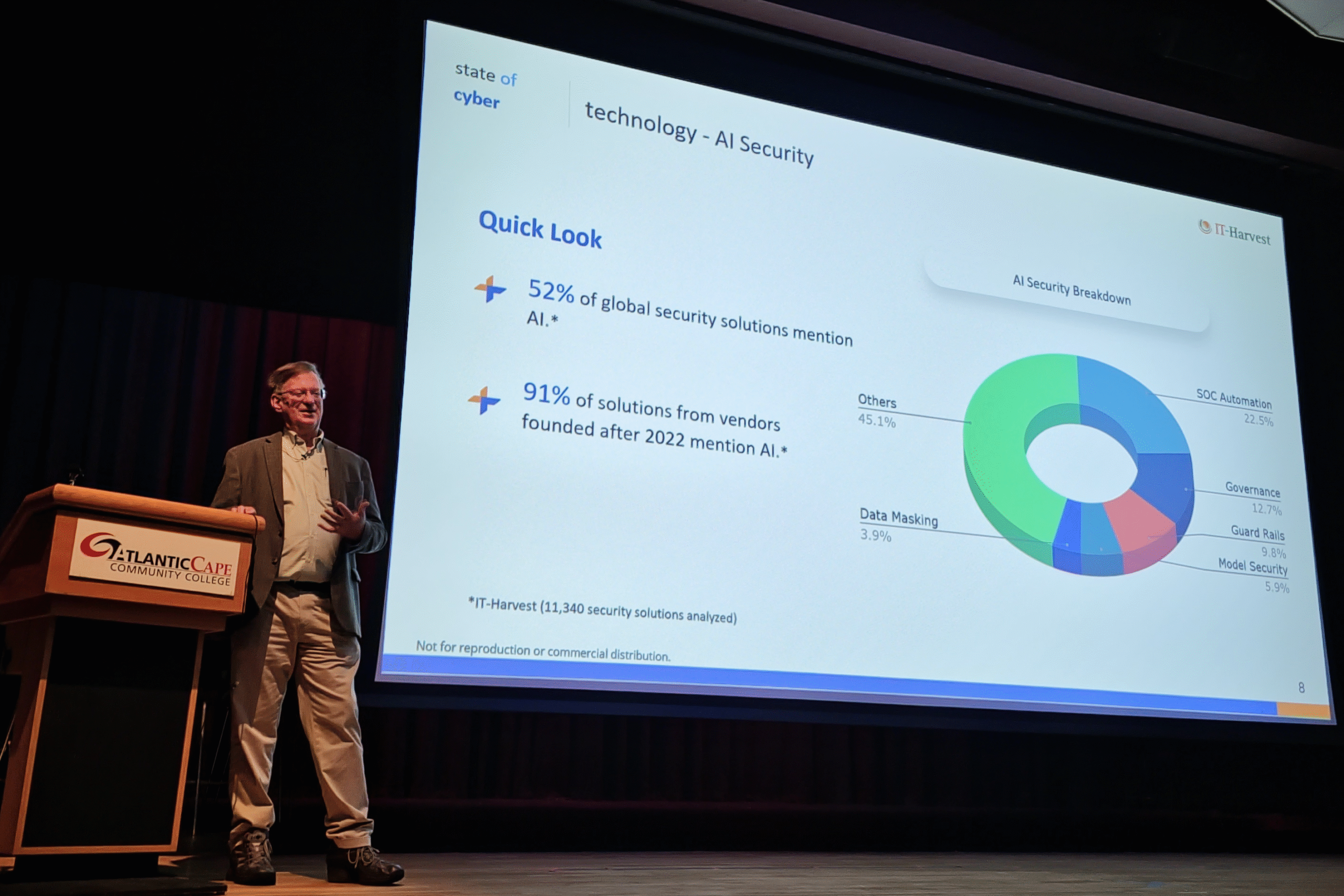
- Richard will map the state of the cybersecurity industry and the impact of AI—putting today’s 4,500+ vendors into context and explaining what that sprawl really means for operators and boards.
🎭 Kurtis Minder, author of Cyber Recon: My Life in Cyber Espionage & Ransomware Negotiation
- Kurtis will decipher the criminal mindset behind modern extortion—how gangs profit from data exfiltration, where and how APTs select targets, and why many defenses fail in practice.
🌐 Tim Rohrbaugh, 3× CISO and AI-in-cyber thought leader
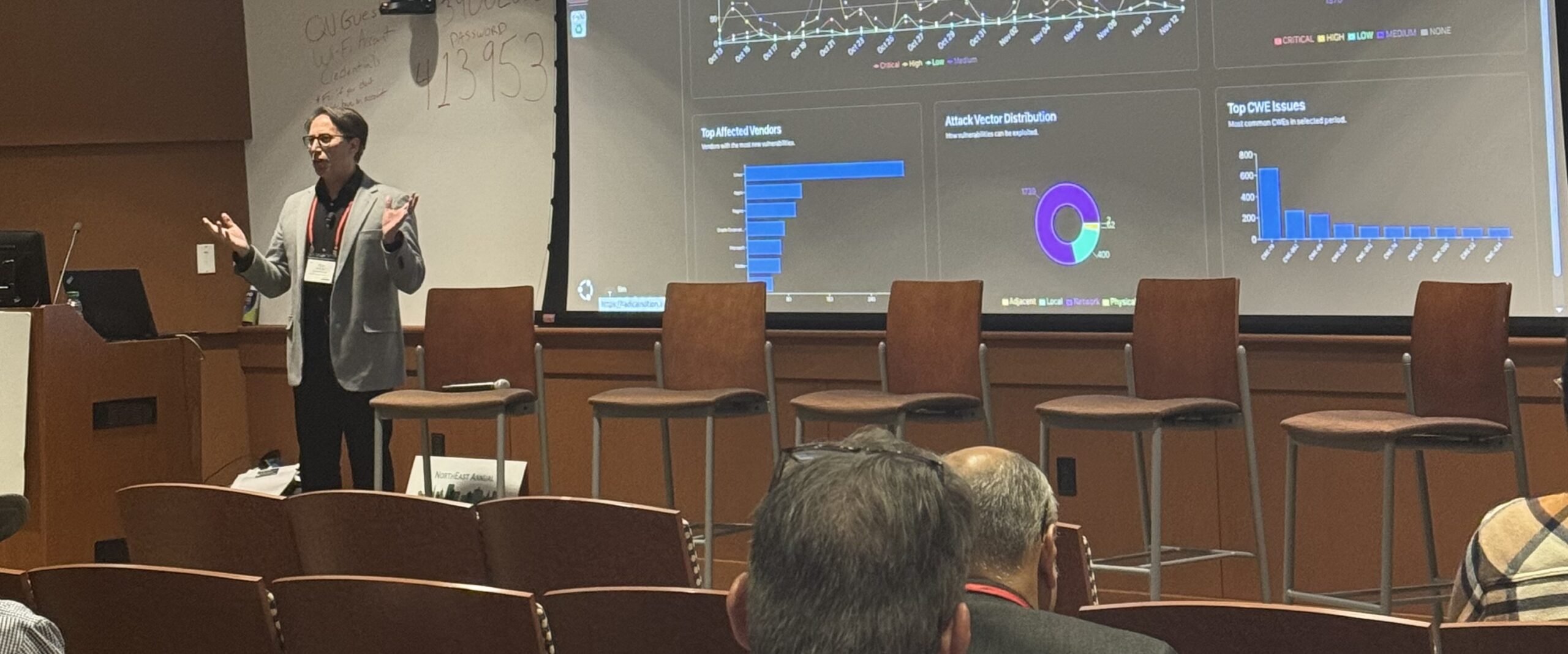
- Tim will unravel the CVE ecosystem in a way that is informative, actionable—and frankly unsettling—for teams buried in vulnerability noise.
🧭 John Felker, former DHS Assistant Director and CISA leader
- John will cut through the noise on working with CISA, the FBI, ISACs, and InfraGard—who to call, when it’s a crime vs. a nation-state issue, and how executive decisions before an incident shape outcomes.
⚖️ Carlo Nastasi, IRS-Criminal Investigation Special Agent
- SA Nastasi will unpack how the largest bank fine in U.S. history made it clear that weak identity controls, monitoring, and escalation are no longer just “bad hygiene”—they can trigger criminal investigations and massive organizational penalties.
Michigan Cyber Risk + Fraud Leadership Event 2026
Stay informed about the upcoming CxO Security Forums.
Subscribers receive early access to the full agenda, speaker lineup, and venue details, along with reminders about key dates and networking opportunities.
Event communications are concise, relevant, and tailored to support your planning. Signing up ensures you have the information you need to make the most of your forum experience from the moment the doors open.
Forum Discussion Leaders
Agenda is still being conformed — past, present and upcoming speakers include:

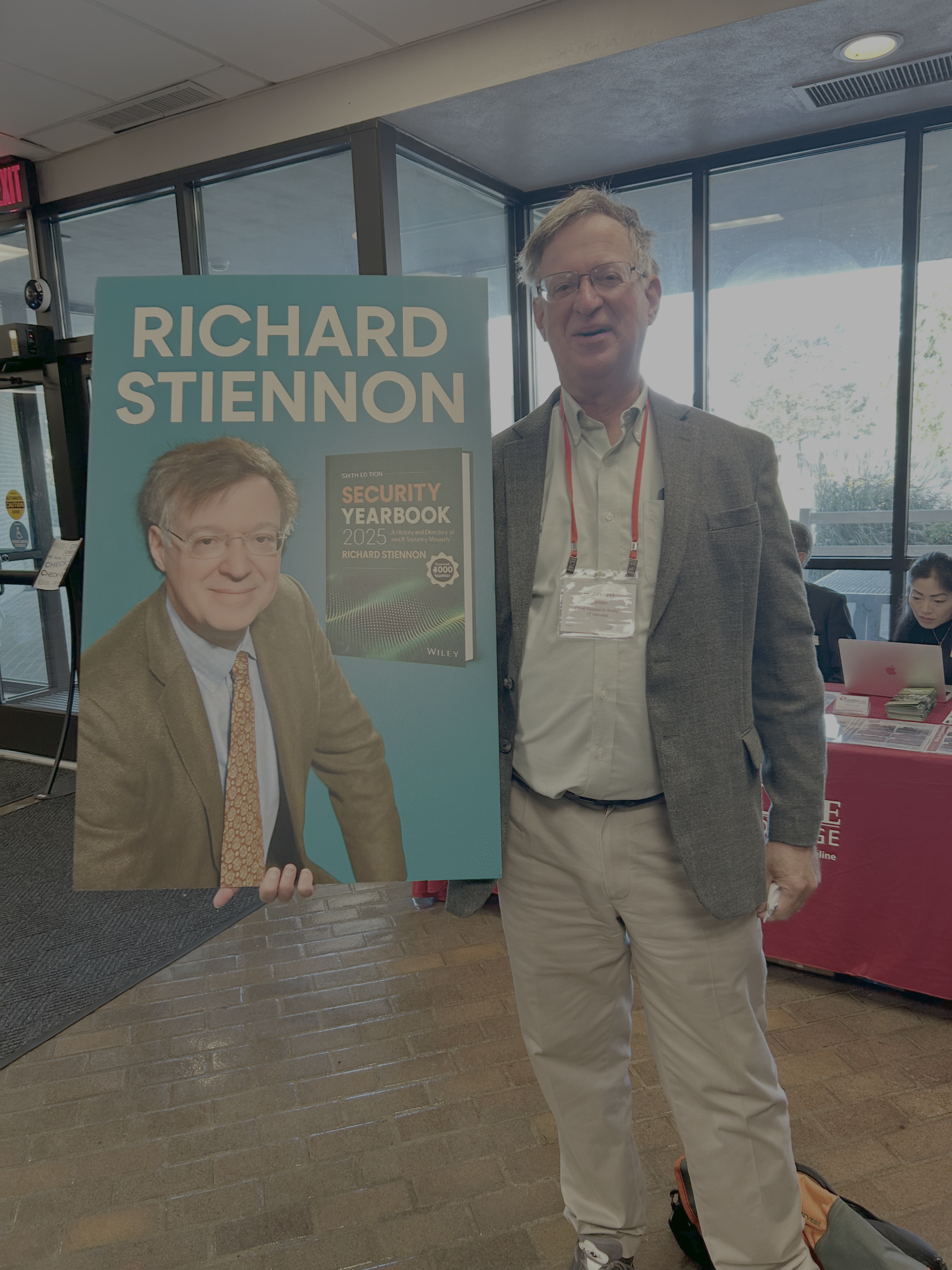
Richard Stiennon
Chief Research Analyst - IT Harvest
frmr. VP of Research - Gartner
Richard founded IT-Harvest in 2005 to cover the 4,550+ vendors that make up the IT security industry. He has presented on the topic of cybersecurity in 32 countries on six continents. He was a lecturer at Charles Sturt University in Australia. He is the author of Surviving Cyberwar (Government Institutes, 2010) and Washington Post Best Seller, There Will Be Cyberwar, as well as the annual Security Yearbook, published by Wiley for 2025. He was the VP of Research at Gartner. He has a B.S. in Aerospace Engineering from the University of Michigan, and his MA in War in the Modern World from King’s College, London.
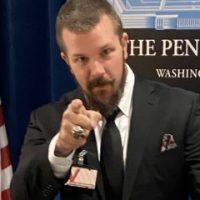
Chase Cunningham
Dr. Zero Trust
Dr. Chase Cunningham, “Dr. Zero Trust,” is an internationally recognized cybersecurity expert and has been a key strategist in a variety of corporate endeavors as well as a valuable consultant to the US DoD and the Executive Branch. With over two decades of experience in cybersecurity, Dr. Cunningham has earned a reputation as a thought leader and visionary in the field, specializing in Zero Trust security architecture, threat intelligence, and advanced cyber defense strategies.
His career has been marked by a series of influential roles in both the public and private sectors. He served as a Senior Analyst at Forrester Research, where he developed the firm’s highly regarded Zero Trust framework, which has become the industry standard for cybersecurity strategy. Prior to that, he held pivotal roles in the U.S. Navy, where he worked on advanced cryptographic systems and cybersecurity operations, contributing to national defense efforts.
A frequent keynote speaker at major cybersecurity conferences, he is known for his ability to distill complex security challenges into actionable insights. He has authored numerous white papers, articles, and books on cybersecurity, and his work is regularly cited by industry leaders, government agencies, and academic institutions. His most recent book, Cyber Warfare: Truth, Tactics, and Strategies, has been added to the national cybersecurity canon hall of fame and has been praised as essential reading for cybersecurity professionals and strategists.
Chase holds a PhD in Computer Science and Cybersecurity from Colorado Technical University, where his research focused on advanced threat detection and algorithmic detection of insider threat tactics. He is also a Certified Information Systems Security Professional (CISSP) and a Certified Ethical Hacker (CEH).
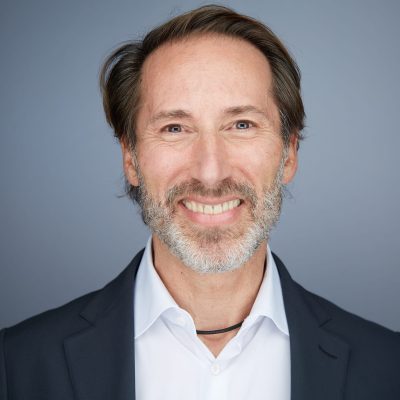
Tim Rohrbaugh
Founder - RadicalNotion.AI, 3x Public Co. CISO
Tim Rohrbaugh brings 20+ years of C-level cybersecurity leadership to the frontier of AI for security and applied engineering. As founder of RadicalNotion.AI and former CISO of JetBlue Airways, he has built and operated enterprise programs that protect high-value, regulated data— including responsibility for safeguarding more than 40 million consumer records at a public financial services company.
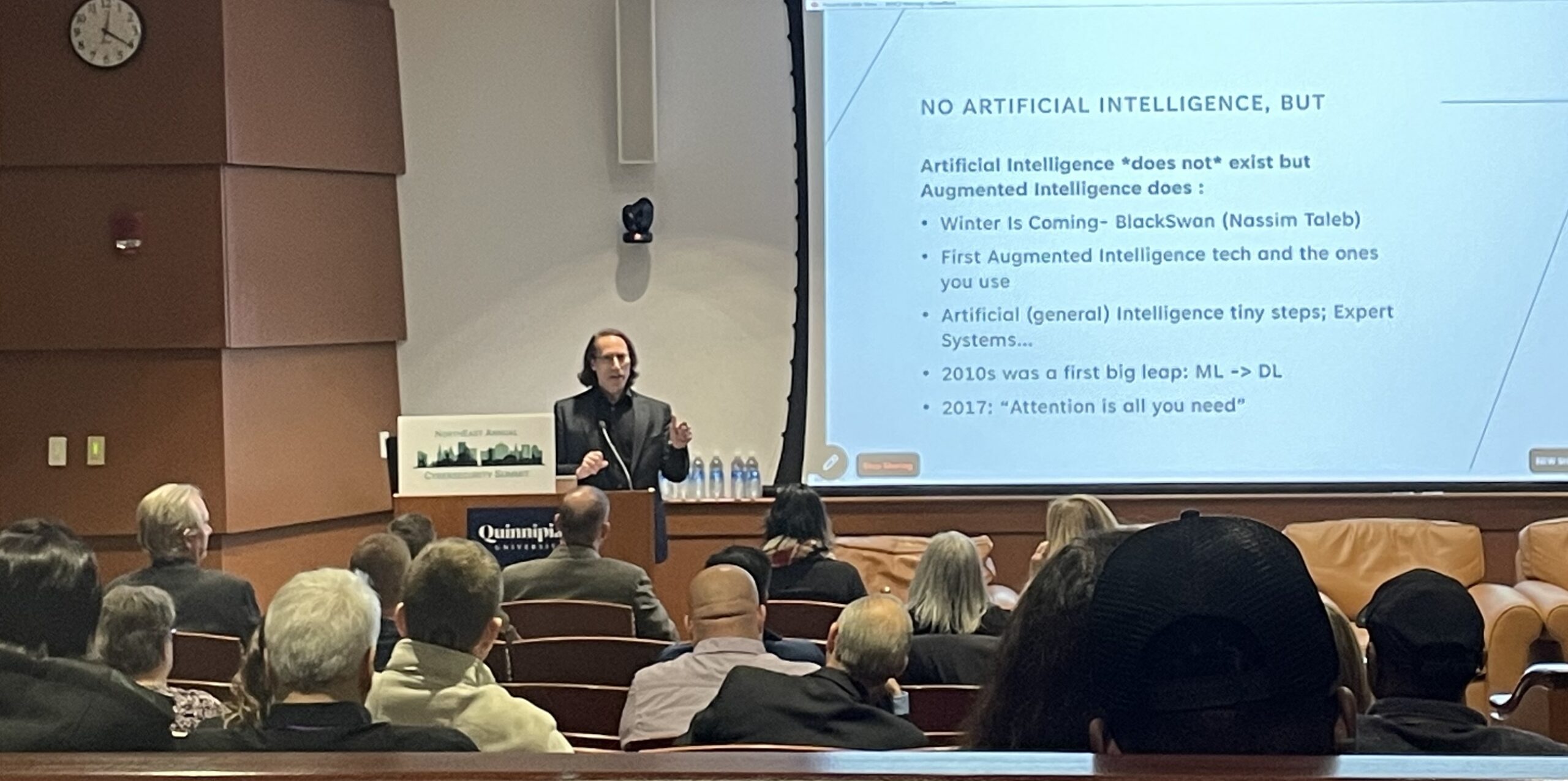
A career security architect and systems engineer, Tim advances a practical view of GenAI as “augmented intelligence”: trustworthy, domain-tuned reasoning agents that reduce noise, challenge bias, and accelerate evidence-backed decisions without exposing IP. He has served as Vice Chair of the Airlines for America Cyber Security Council and as a board member of the Online Trust Alliance, where he contributed to national privacy and security policy. His work has been recognized with multiple awards, including Top Global CISO by Cyber Defense Magazine. Tim holds two joint patents in identity verification and authentication and is a frequent speaker and advisor to boards and engineering teams alike.
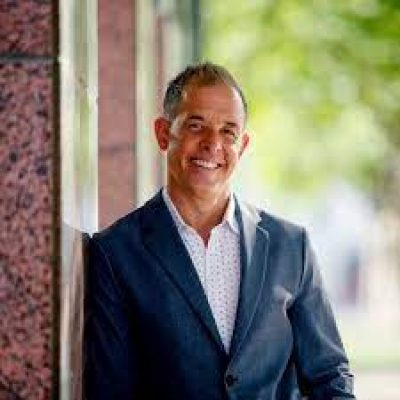
Kurtis Minder
CEO & Co-Founder, GroupSense
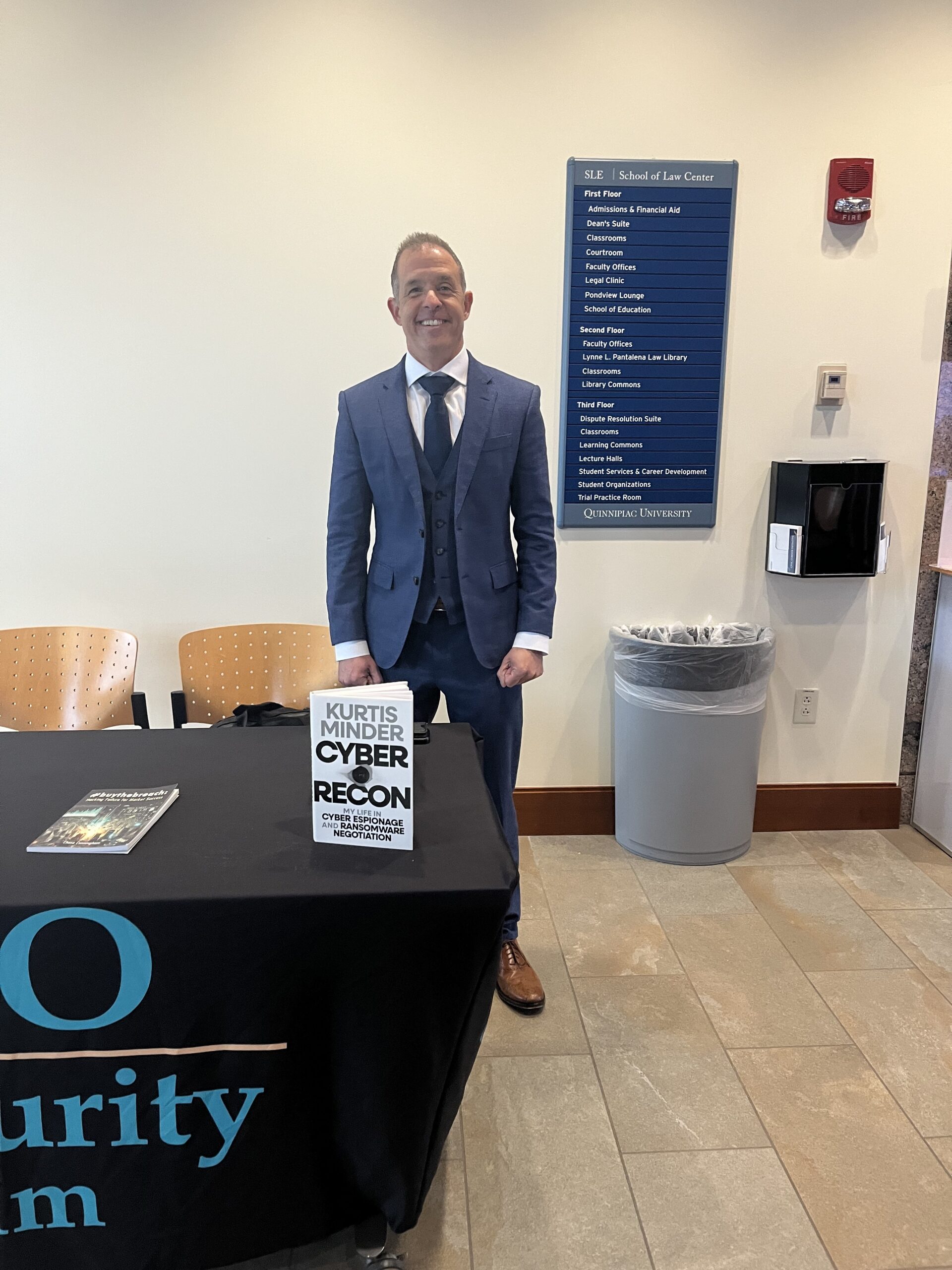
Author, Cyber Recon: My Life in Cyber Espionage and Ransomware Negotiation
Kurtis Minder is one of the world’s foremost experts in ransomware response and cyber threat intelligence. As CEO and co-founder of GroupSense, he has led negotiations in some of the largest ransomware and data extortion cases globally, engaging directly with threat actors and nation-state affiliates.
With over 25 years in cybersecurity—including roles at Fortinet, AT&T, and Citrix-acquired Caymus Systems—Kurtis has combined operational security, cyber reconnaissance, and real-world intelligence tradecraft into a uniquely effective digital risk strategy. His pioneering work and insights have been featured in The New Yorker, BBC, The Wall Street Journal, and Fortune.
At ACCSFF 2025, Kurtis will deliver a TED-style keynote and participate in a moderated discussion on themes from his acclaimed new book, Cyber Recon, offering a rare behind-the-scenes look at the people, tools, and tactics behind today’s cyber espionage and ransomware ecosystem.
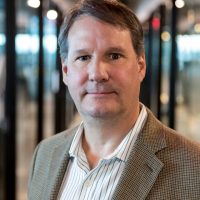
Tim Brown
CISO & VP, SolarWindsr
Tim Brown joined SolarWinds in 2017 as vice president of security and is now the CISO for SolarWinds, overseeing internal IT security, product security, and security strategy. After the SUNBURST attack in December 2020, Tim Brown led the response and remediation efforts. Tim has spoken to thousands of customers and has been instrumental in all customer remediation support and services.
He has worked closely with the SolarWinds® CEO in designing the future state of security and their “Secure by Design” philosophy. This new philosophy on software design will not only benefit SolarWinds but the industry as a whole, and it sets a precedent for responses to future cyberattacks.
As a former Dell Fellow and CTO, Tim deeply understands the challenges and aspirations of the person responsible for driving digital innovation and change. Tim has over 25 years of experience, and his trusted advisor status has taken him from meeting with members of Congress and the Senate to the Situation Room in the White House. He’s also an avid inventor and holds 18 issued patents on security-related topics.

Josh Woodruff
Author, Agentic AI + Zero Trust: A Guide for Business Leaders
IANS Faculty | CSA Zero Trust Working Groups
Josh Woodruff is the author of Agentic AI + Zero Trust: A Guide for Business Leaders, a practical framework for safely operationalizing autonomous AI using Zero Trust principles. Drawing on nearly 30 years of experience as both a CIO and CISO, Josh translates real-world enterprise deployments into clear executive guidance on trust, governance, and risk in agentic systems.
The book—co-authored with Michelle Savage and featuring a foreword by Zero Trust pioneer John Kindervag—cuts through AI hype to explain why most AI initiatives stall in pilot mode, and what successful organizations do differently. Josh is also the Founder and CEO of Massive Scale Consulting, co-leads the Cloud Security Alliance Zero Trust Working Group, and serves as IANS Faculty, advising enterprises across regulated and high-risk industries.
Known for his ability to frame complex AI and security challenges in plain executive language, Josh focuses on helping leaders design guardrails that accelerate innovation without sacrificing control, accountability, or resilience.
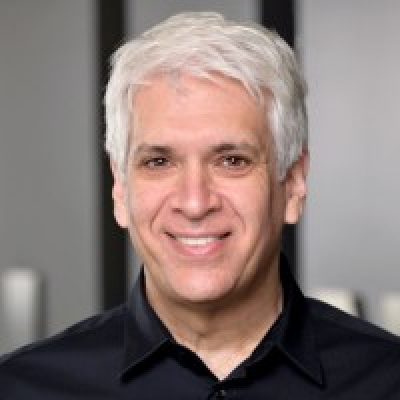
Ira Winkler
Award winning CISO, top-rated keynote speaker & bestselling author
Ira Winkler, CISSP, is CISO of CYE Security and Director of the Human Security Engineering Consortium. He authored the books, "You Can Stop Stupid" and "Security Awareness for Dummies," and is considered one of the world’s most influential security professionals. Ira was named “The Awareness Crusader” by CSO Magazine in receiving their CSO COMPASS Award. Most recently, he was named 2021 Top Cybersecurity Leader by Security Magazine. He has designed, implemented, and supported security awareness programs at organizations in all industries around the world. Ira began his career at the National Security Agency, where he served as an Intelligence and Computer Systems Analyst. He has since served in other positions supporting the cybersecurity programs in organizations of all sizes.

Mark Sangster
Cybersecurity Author, Strategic Advisor, and Storyteller of the Unseen
Mark Sangster (mbsangster.com/) is a recognized authority on cybersecurity risk and a compelling voice in the fight against digital crime. A celebrated author and award-winning speaker, Mark brings a unique ability to distill complex cyber threats into practical, boardroom-ready insights. His books, No Safe Harbor and Cyber-Conscious Leadership, challenge conventional thinking by exposing the stories that don’t make headlines—highlighting the human and systemic failures behind major breaches.
Mark’s thought leadership spans industries and continents, with appearances on major stages including Harvard Law School and RSAConference, and contributions to The Wall Street Journal, CSO Magazine, and other leading media. He’s an advocate for shifting the cybersecurity conversation away from technical jargon and toward real business risk—translating the language of threat intelligence into the language of leadership.
With deep insight into emerging threats, geopolitical risks, and the psychology of cybercrime, Mark arms executives with the frameworks they need to lead resilient organizations. Whether drawing parallels between cyberattacks and aviation disasters or unraveling the hidden mechanics of “grey crime,” Mark’s work is as thought-provoking as it is actionable.
At the Forum, expect a conversation that’s more than informative—it’s transformative.

Amanda Draeger
Principal Cyber Risk Engineer, Liberty Mutual Insurance
Amanda Draeger is an accomplished cybersecurity leader, with a distinguished career rooted in leadership, education, and technological excellence. As a Sergeant Major in the U.S. Army, Amanda exemplified these traits by not only educating and leading fellow soldiers, but by becoming one of the first four women to ever achieve the GIAC Security Expert (GSE) designation from SANS.
Now retired from the armed forces, she utilizes her expertise, knowledge, and passion for educating others in her role at Liberty Mutual as a Principal Cyber Risk Engineer. In this role she provides subject matter expertise to underwriters and insureds on critical cybersecurity topics, as well as presenting at major infosec conferences around the country. Outside of work, Amanda is a fiber arts enthusiast.


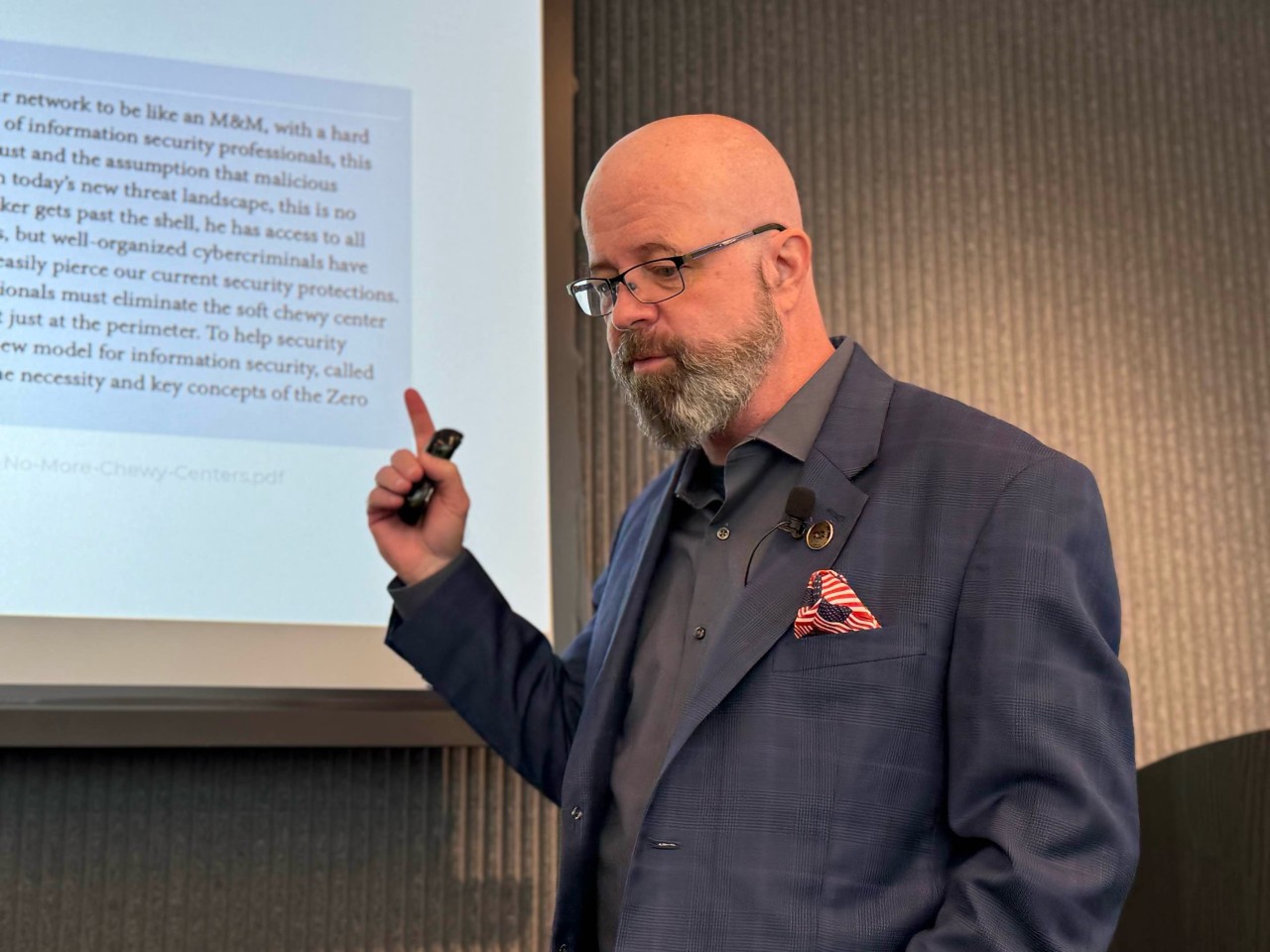



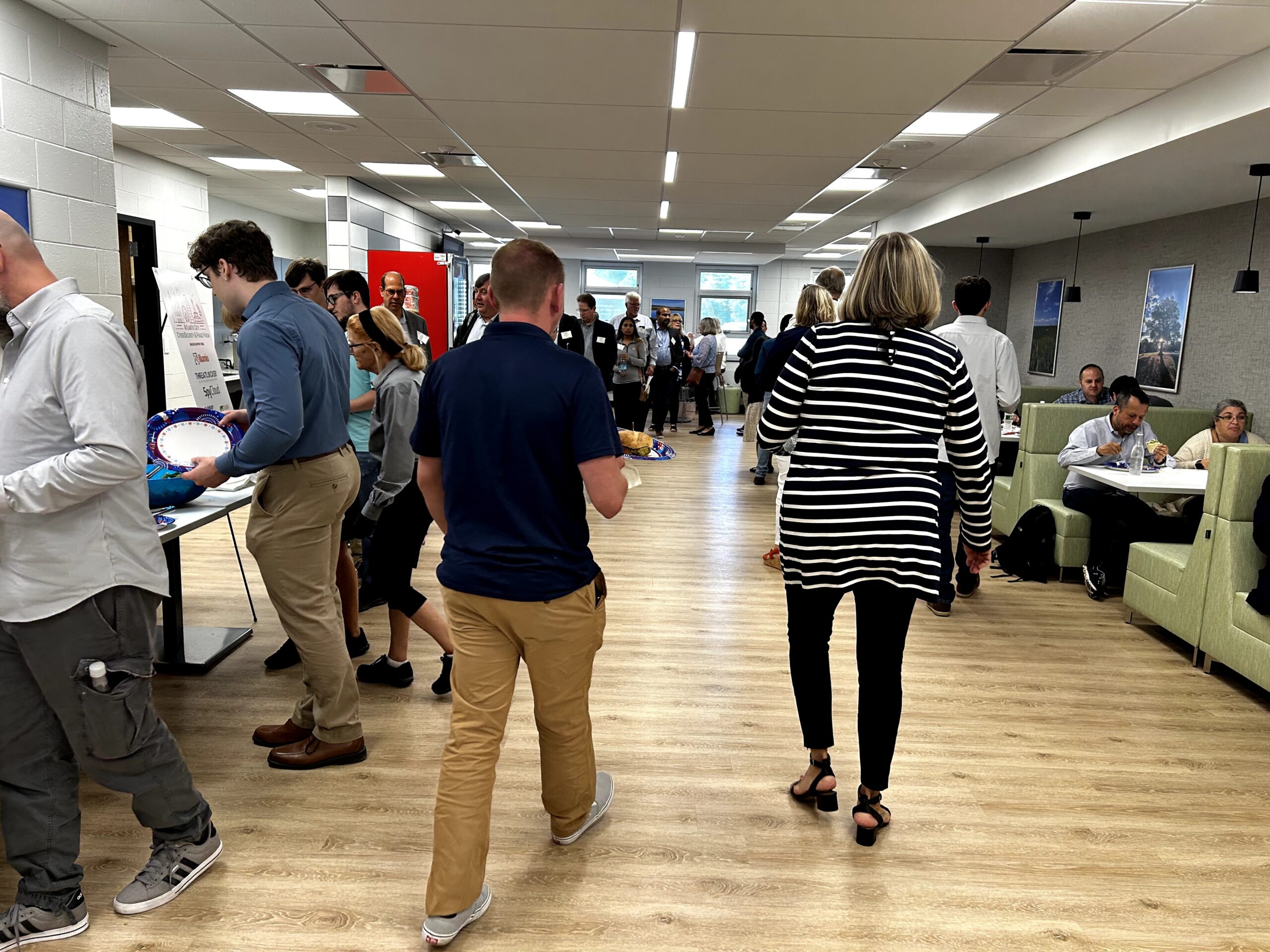

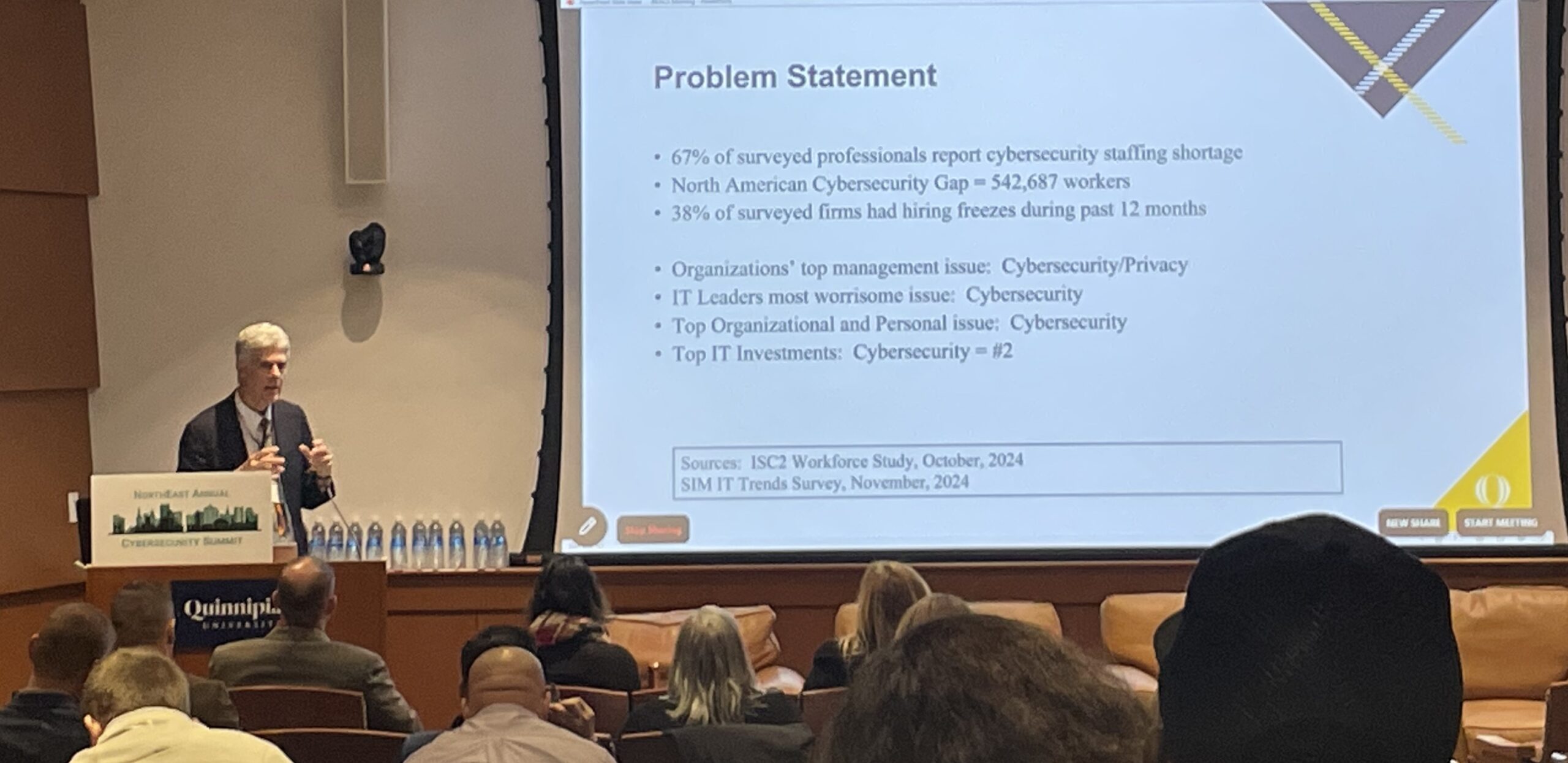

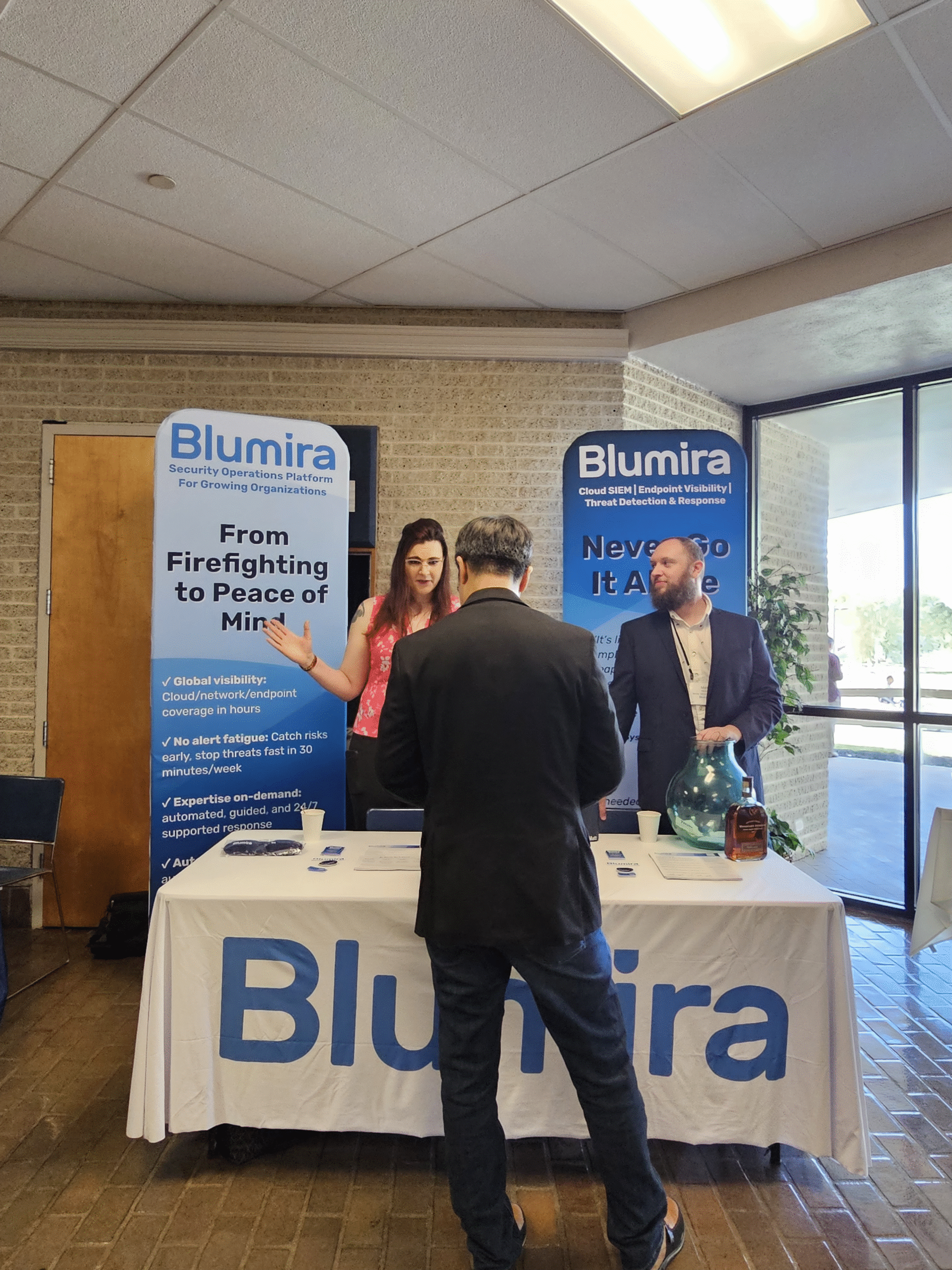









Registration & Networking
8:30 AMWelcome/Introductions
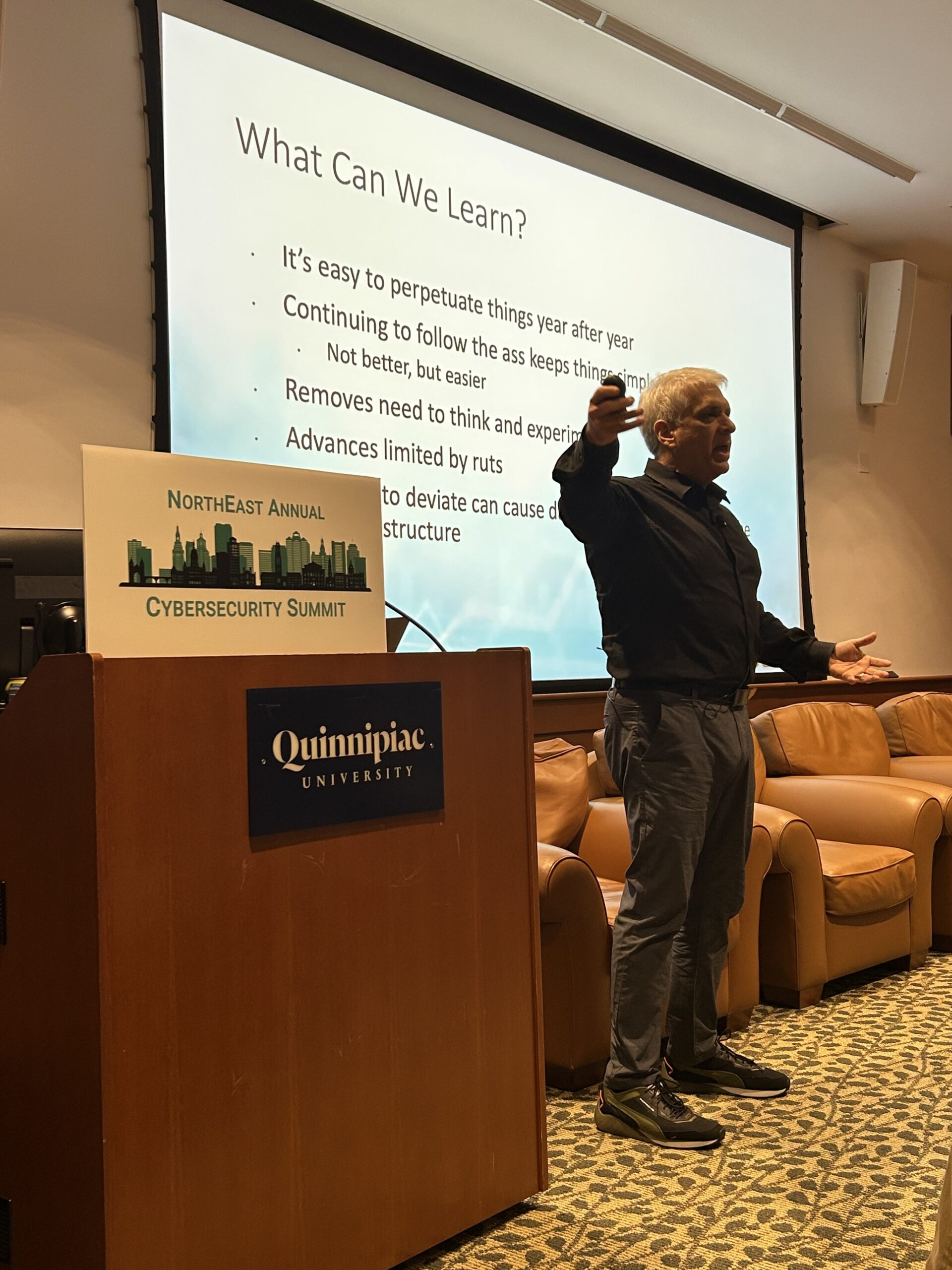
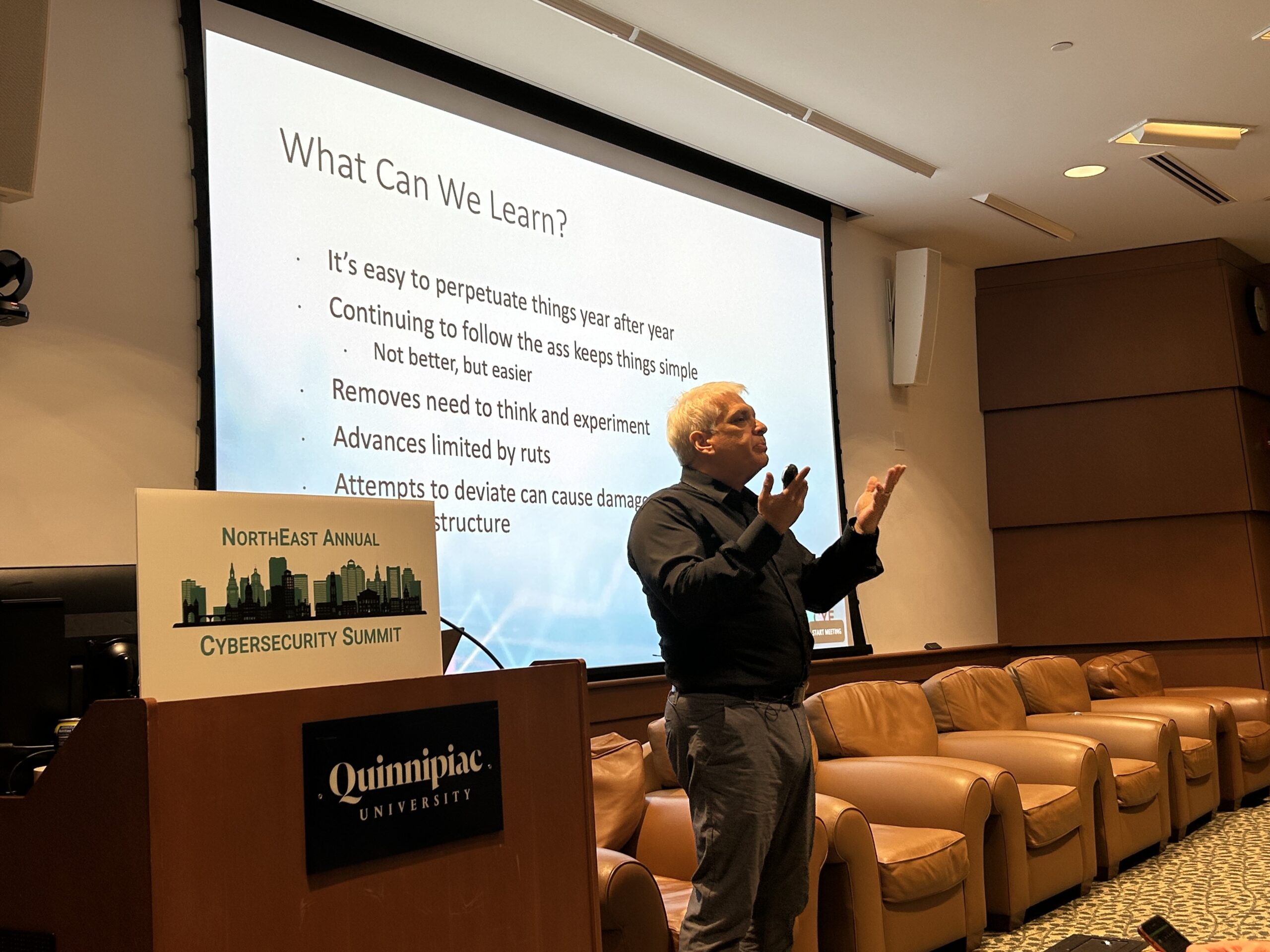
The Summit is a collaboration point for the many member-driven professional associations across the region. Hear a brief introduction from Board Members of each of those InfoSec & Fraud Associations as we open the agenda
9:00 AMThe State of Cybersecurity 2025: Mapping the Industry, Measuring AI’s Real Impact, and Making Sense of 4,550 Vendors [Discussion Pod #1]
Richard Stiennon, veteran analyst and industry provocateur will kick off the Summit, taking us on a data-rich tour of the entire cybersecurity industry—all 4,550 vendors, 660 subcategories, and $12 billion in recent funding. Drawing from his forthcoming book Security Yearbook 2025, Stiennon will share insights derived from two decades of studying cyber trends at Gartner and now IT-Harvest—the only firm systematically cataloging the global cyber vendor ecosystem.
This talk is not just about the numbers. Richard will break down the practical implications for executives:
- How to navigate a vendor landscape bloated with similar claims and vague value props
- Where AI is truly being built in cybersecurity—what’s real, what’s noise, and what agentic AI might change
- What vendor origin says about product capability, reliability, and alignment with enterprise needs
- Why vendor consolidation isn't the answer—and what to do instead
He’ll also spotlight key global dynamics, such as Israel’s IDF-fueled innovation engine, Germany’s vendor loyalty culture, and the emergence of AI Security as a distinct and fast-growing segment.
If you’ve ever asked “What should I actually be paying attention to in cybersecurity right now?”—this is your answer. This session will set the tone and context for the day, offering a strategic foundation for every discussion that follows.
9:45 AM#BuyTheBreach: How Cyber Failures Can Fund Your Future [Discussion Pod #2]
Chase Cunningham, Ph.D. the Author of “Buy the Breach: Hacking Failure for Market Success,” is also known to cyber leaders as “Dr. Zero Trust.” He will lead a fun, informative, and thought-provoking talk which will lead into what should be an eye-opening discussion!
In this talk, he shines a spotlight on one of cybersecurity’s most under-explored truths: the market *rewards* failure. Drawing from his groundbreaking book, Chase walks through how cybersecurity professionals—yes, you—can outperform hedge funds without ever learning complex finance. Just by applying the same analytical skills you use to track vulnerabilities and threat actors, you can spot profitable market patterns tied to breaches, outages, and incidents.
This isn’t theoretical: Chase will share real-world portfolio results, case studies from Marriott, Equifax, CrowdStrike, and others, and the exact strategy he uses to buy low during breach-triggered panic and ride the inevitable recovery wave.
Participants will learn:
- How to decode SEC 8-K filings like a forensic investor
- Why public outrage rarely translates to long-term losses
- What timing data shows about the “bounce” after a breach
- How to ethically profit from chaos—while still fighting the good fight
Then stay for the live *Buy the Breach* discussion with Chase, where he’ll answer tough questions, unpack recent breach-related trades, and offer practical guidance on turning your cybersecurity expertise into a market edge.
Bottom line: If you're already protecting companies from failure, why not learn to profit when others don’t? The game is rigged—this session shows you how to beat it.
10:15 AMLeading the Fight: Leading the Fight: Cybersecurity & Government Agencies [Discussion Pod #3]
In this talk, government agency leaders will share how they approach coordinated threat disruption, interagency collaboration, and executive-level response to cyber-enabled crimes.
When cybercrime intersects with national security, terrorism, cross-boarder issues, or financial stability, the US Secret Service, Department of Homeland Security, FBI and state fusion center (CTIC) step in—not just with investigations, but with leadership.
What does it take to lead under pressure, across jurisdictions, and in defense of critical assets? In this fast-moving session, participants will get practical takeaways on how to elevate their cyber leadership posture—and why the most effective defenders think like protectors, not just responders.
10:45 AMCyber Insurance: What is risk transfer anyway? [Discussion Pod #7]
If you’ve ever taken a course on the basics of cybersecurity you’ve learned about some standard risk management techniques: Reduction, Avoidance, Acceptance, and Transfer. The training material probably went into great depth on risk reduction, some amount on avoidance, talked about how you can't mitigate all risk, so you'll have to accept some… and then said "you can transfer risk by buying insurance." And that's probably about all it said about risk transfer. What does risk transfer or the buying of cyber insurance actually *do* for your overall security program? Hear from an insurance insider about what cyber insurance does and does not do for organizations, and why “just buy insurance” is not a solution to every cybersecurity problem.
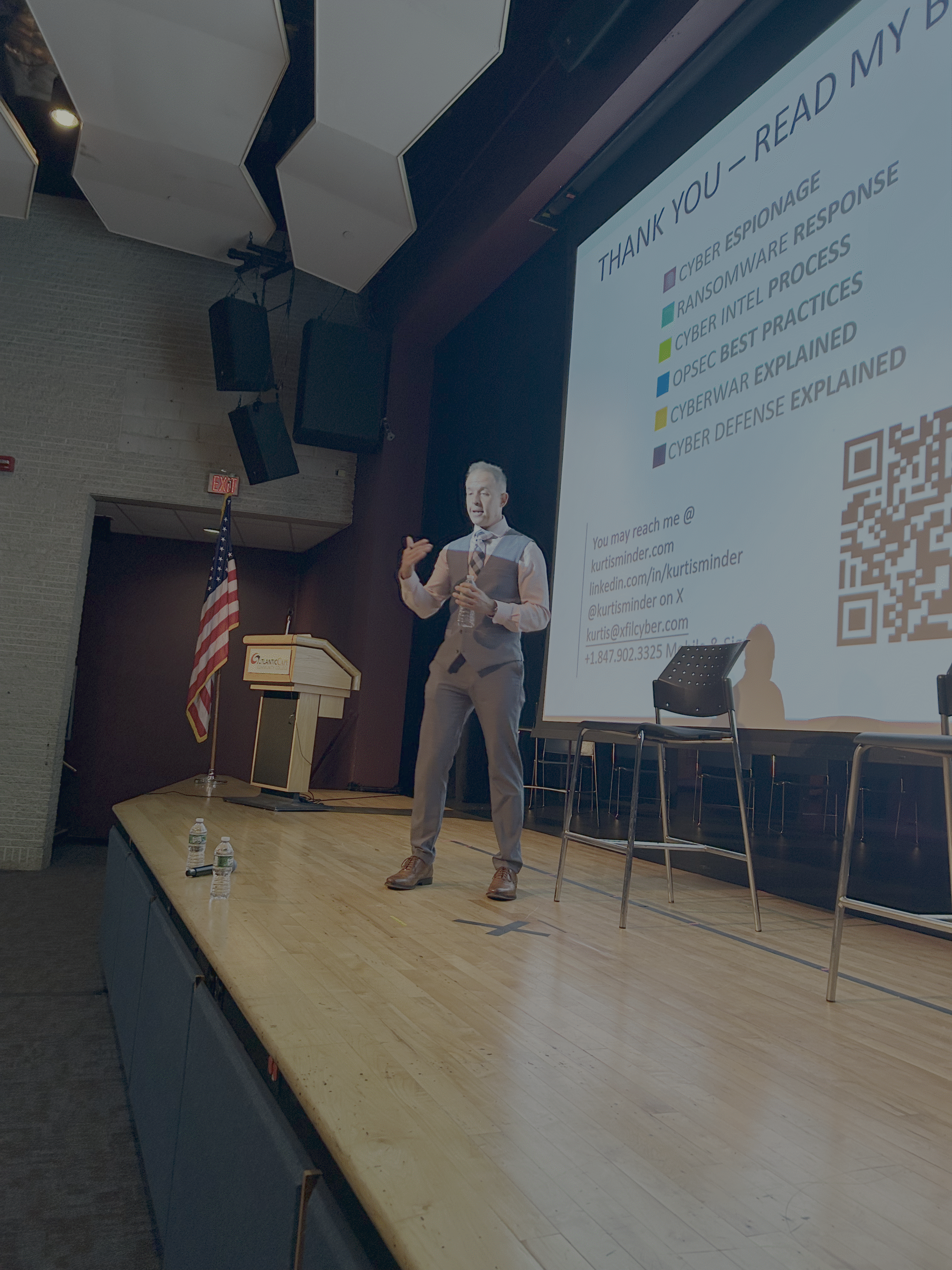
11:15 AMInside the Mind of the Adversary: Espionage, Negotiation, and the Battle for Digital Control [Discussion Pod #4]
Kurtis Minder has spent the last decade doing what most cybersecurity professionals only read about—negotiating directly with cybercriminals, including ransomware gangs, nation-state affiliates, and digital extortionists. As the founder and CEO of GroupSense, Minder built a world-class cyber espionage team, managing over 4,000 personas in multiple languages. He helped victims navigate headline-making ransomware attacks, and briefed everyone-from Congress to the Intelligence Community.
In this gripping, TED-style keynote, Kurtis draws from his new book, Cyber Recon, and his real-world experience leading some of the largest ransomware response efforts globally. He’ll walk attendees through the tradecraft of cyber reconnaissance, the nuances of engaging threat actors using mindful negotiation, and what it really takes to protect your organization in today’s hostile digital landscape.
Blending operational insights with personal stories—from fake identities like “Vinny,” to briefing Congressional subcommittees—Kurtis offers a rare, behind-the-scenes look at the human element of cyber conflict. Whether you lead security for a Fortune 500 or a regional bank, you’ll leave with concrete lessons on digital risk, negotiation, and resilience in the age of cybercrime.
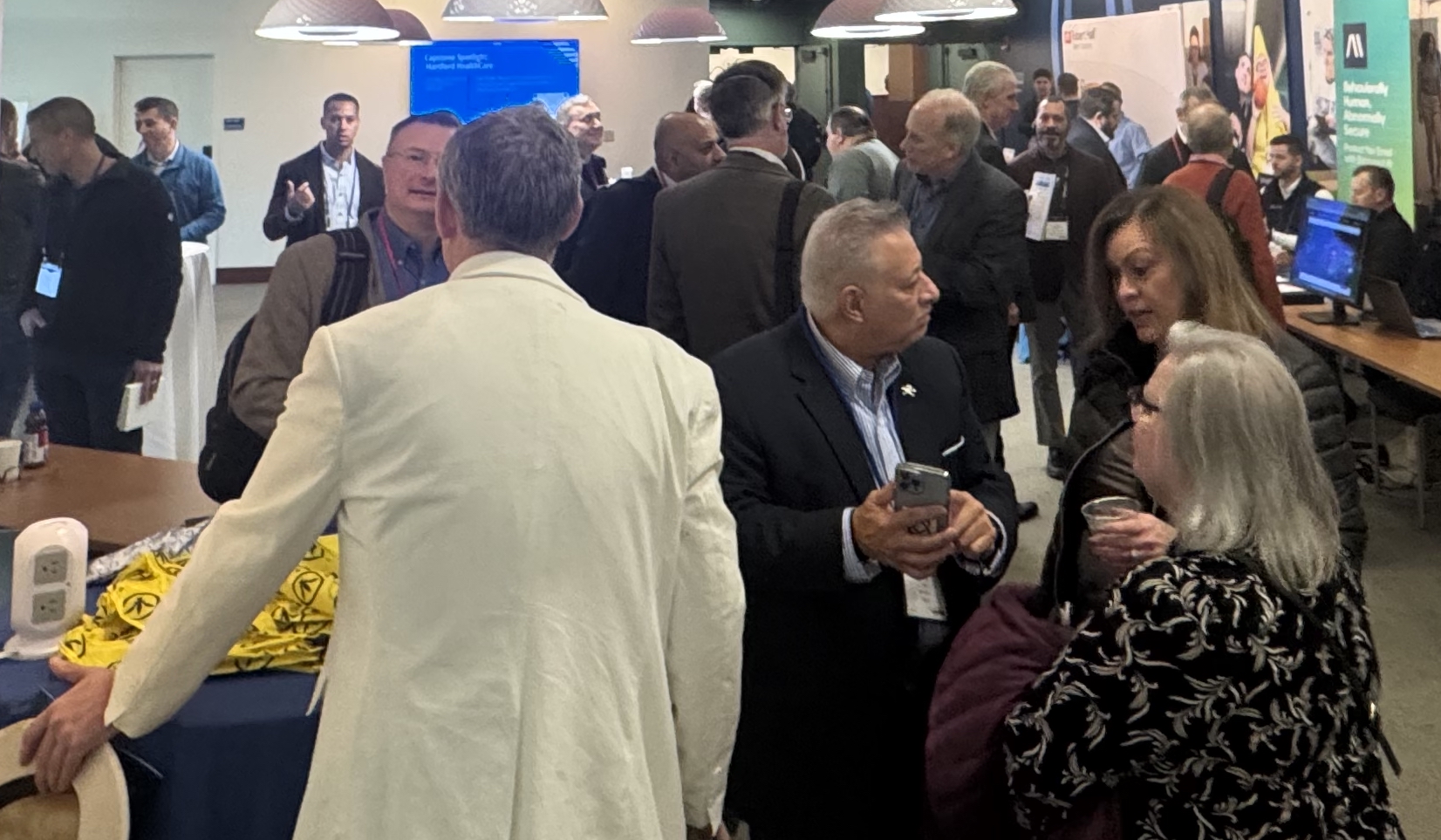
Lunch & Solution Showcase Networking Discussions
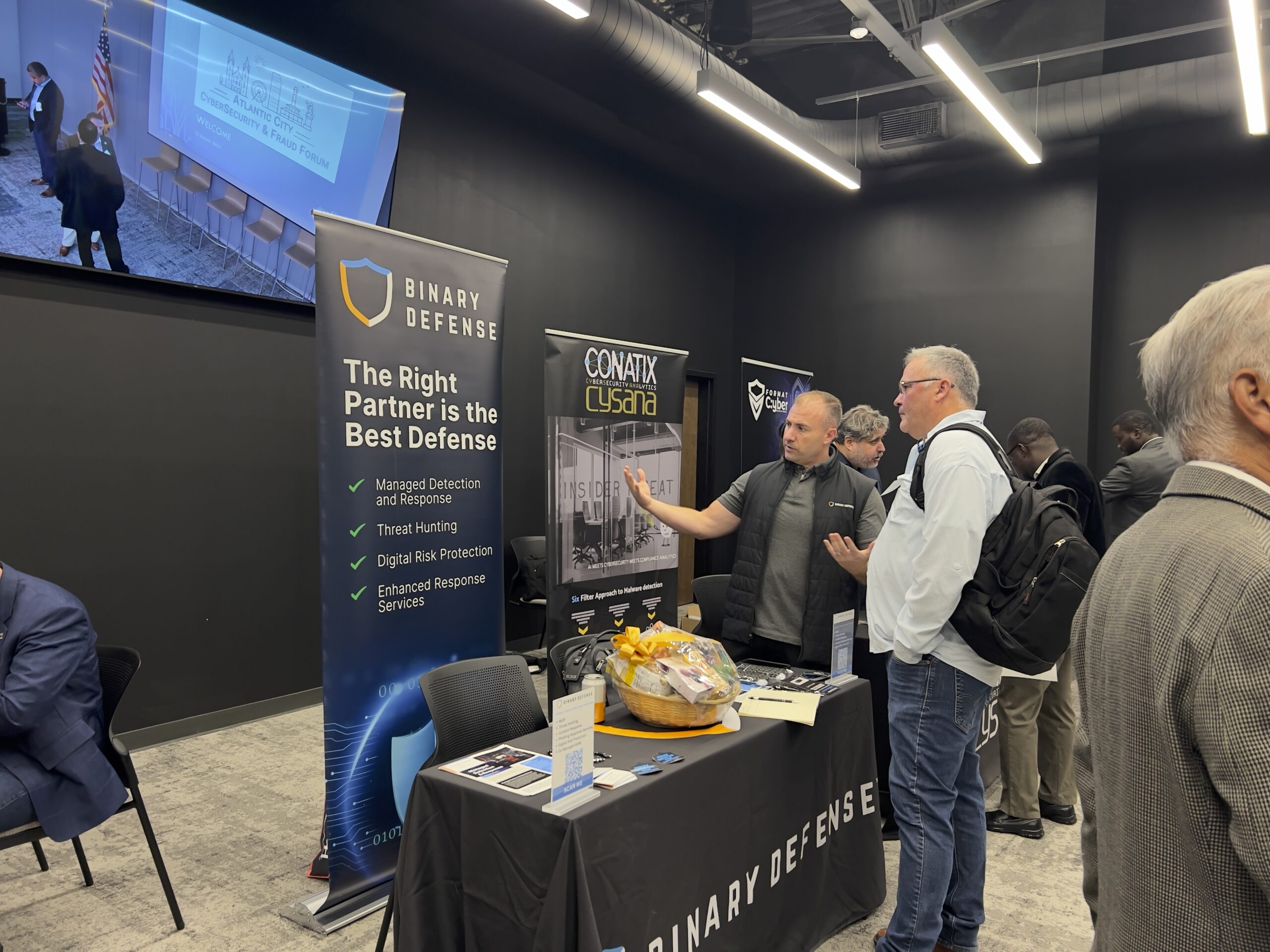
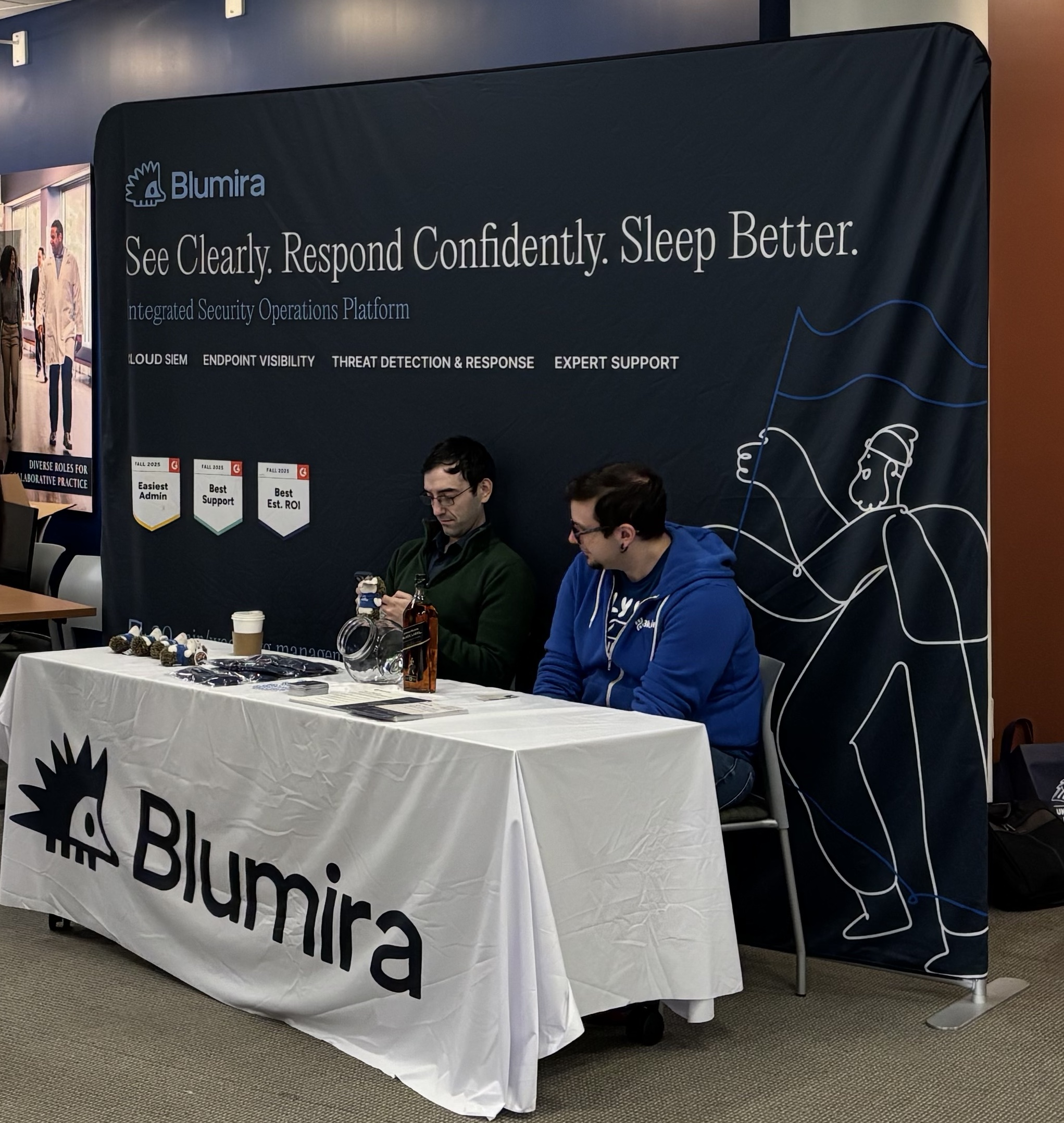
Participants will enjoy a lovely full hot lunch while connecting with the thoughtful Solution Providers who are supporting the community at the Summit!
12:15 PMCyber-Conscious Leadership: Boardroom Issue vs. IT Problem [Discussion Pod #5]
Mark Sangster goes beyond the headlines and surface-level frameworks to expose the invisible forces that shape today’s most devastating breaches. Drawing from his books “Cyber-Conscious Leadership” and “No Safe Harbor,” Mark unpacks real-world case studies—ransomware attacks that began as innocent supplier emails, regulatory landmines triggered by seemingly minor missteps, and grey zone attacks that blur the lines between criminal and nation-state actors.
As cybersecurity is recognized as a board-level issue, what is less clear is how to lead effectively in a world where the threat landscape is shaped by geopolitics, systemic business vulnerabilities, and adversaries who don’t play by rules.
Leaders at the Forum will walk away with:
- A framework for identifying root-cause failures in security strategy—before they become front-page crises.
- Techniques to translate cyber risk into the language of business outcomes and executive accountability.
- Insights into the psychology of breach response—how leadership behavior can either reduce risk or deepen liability.
- Practical approaches to shift from reactive defense to proactive cyber resilience, with clear roles for boards, legal, and operations.
Not just about protecting your company—it’s about sharpening your strategic edge as an executive.
1:00 PMCyber Insurance: What is risk transfer anyway? [Discussion Pod #7]
Amanda Draeger, Principal Cyber Risk Engineer, Liberty Mutual Insurance will discuss something much talked about in the board room:
If you’ve ever taken a course on the basics of cybersecurity you’ve learned about some standard risk management techniques: Reduction, Avoidance, Acceptance, and Transfer. The training material probably went into great depth on risk reduction, some amount on avoidance, talked about how you can't mitigate all risk, so you'll have to accept some… and then said "you can transfer risk by buying insurance." And that's probably about all it said about risk transfer. What does risk transfer or the buying of cyber insurance actually *do* for your overall security program? Hear from an insurance insider about what cyber insurance does and does not do for organizations, and why “just buy insurance” is not a solution to every cybersecurity problem.
It’s Not Just Bad Hygiene—It’s Criminal Negligence [Discussion Pod #7]
What the Largest Bank Fine in U.S. History Means for Cybersecurity Leaders
IRS-Criminal Investigations will talk us through what started as a routine money laundering investigation and then became the largest criminal BSA case in U.S. history: TD Bank pled guilty and paid a record-breaking $3 billion fine for failing to detect and report financial crimes between 2018 and 2024. But this wasn’t just a banking compliance failure—it was a breakdown of fundamental controls that cybersecurity teams should recognize as eerily familiar: weak identity verification, outdated monitoring tools, no internal escalation, and massive blind spots in onboarding.
With the passage of the AI Clarity Act and GENIUS Act, any company involved in digital asset transactions—especially fintechs and crypto-related entities—will now fall under the Bank Secrecy Act (BSA). That means cybersecurity functions may be criminally liable if they fail to detect malicious or illicit behavior.
This session reframes cybersecurity risk from “fear of breach” to fear of prosecution. If your organization touches crypto, stablecoins, or manages digital financial flows, this talk is your wake-up call. Learn what went wrong at TD, how BSA violations can stem from cyber failings, and what proactive cyber leaders should do now to protect not just their companies—but themselves.
1:45 PMCyber-Fraud Fusion: Why the Future of Fraud Prevention Is a Security Strategy [Discussion Pod #8]
Fraud is no longer just a cost of doing business—it’s a security issue. More organizations are merging fraud prevention and cybersecurity into unified teams and frameworks to confront shared threats more effectively. This session explores the rise of Cyber-Fraud Fusion, where cyber threat intel, identity protection, and fraud operations are integrated to create a layered defense.
We’ll highlight how enterprises across industries are shifting from reactive fraud tools to proactive, intelligence-driven strategies—using concepts like the Cyber-Fraud Kill Chain to identify and disrupt attacks earlier. Attendees will gain a practical understanding of how convergence improves detection, response, and cross-functional coordination.
2:00 PMDegrees, Certs & Entry-Level Grit: What Cyber Grads Can (& Can’t) Do For You
[Panel]
This panel discussion features a real-world exchange between cyber educators and industry leaders. Professors will share how they’re designing programs with hands-on labs, industry-funded projects, and even high school hackathons. CISOs and CTOs will weigh in on the “last-mile” problem: grads with zero experience, mismatched expectations, and a professionalism gap that’s hard to ignore.
With over 700,000 unfilled cybersecurity jobs in the U.S., you’d think the hiring problem would solve itself. But here’s the rub: cybersecurity programs are churning out grads, and CISOs still ask, “What can they actually do on day one?” Are they SOC-ready? Do they understand fraud prevention, governance, compliance—or even what cybersecurity is?
We’ll dig into big questions:
- Are four-year degrees still the gold standard—or are certs and bootcamps the smarter play for mid-career upskilling?
- How do you hire interns and set expectations when “everyone is busy”?
- What can companies do (without breaking budgets) to actually shape the talent pipeline?
- And how can we close the generation gap without lowering the bar?
Come for the honest dialogue, stay for the practical takeaways—and leave with a few ideas for fixing a system that isn’t working for educators, employers, or students.
2:30 PMTrust, Verify, and Authenticate: Securing the Edge in a New Era of Operational Threats [Discussion Pod #9]
Dr. Robert Riegle—former DHS Director and national intelligence expert—will challenge participants to rethink how authenticity, attribution, and assurance must be redefined at the device and data layer. In today’s environment of AI-driven disinformation, autonomous systems, and rising threats to critical infrastructure, the old model of “trust but verify” no longer cuts it. We must now verify before we trust—especially when it comes to operational technology, hardware identity, and machine-level decision-making.
In this provocative talk, he will be drawing on his national security background and work with emerging identity technologies, Dr. Riegle will explore how edge devices, autonomous systems, and even supply chains must be provably trustworthy to support U.S. counter-terrorism, counter-intelligence, and cybersecurity goals.
Following the talk, a moderated discussion will open the floor for participants to explore practical implications—how to support policy shifts, certify device lineage, and adopt technologies that “burn in” authenticity at the point of creation.
3:00 PMThe Next Mission: Turning Insight Into Impact
In Closing - We’ve heard from the spies and the scientists. The agents and the analysts. The CEOs, strategists, and storytellers. Now, as we close the Summit, we return to the reason we came together in the first place: to make a difference.
In this final session, we’ll recap the boldest ideas, sharpest warnings, and most actionable takeaways shared throughout the day—from ransomware negotiation tradecraft to the market forces behind cyber failures, from AI-fueled attacks to law enforcement collaboration models that actually work.
But more than a summary, this is a call to action. Whether you’re protecting a regional bank, a global enterprise, or your local community college’s network, the mission is the same: build trust, verify identity, out-think the adversary—and never go it alone.
Join us to reflect, reconnect, and recharge for what comes next. Because the future of cybersecurity and fraud prevention isn’t just about staying ahead of threats—it’s about leading with purpose, and leaving with a plan.
3:30 PMClosing Discussion & Networking
Stay & Connect: Informal Networking + Solution Showcase
Before hitting the road, grab a coffee and take time to connect. Trade insights with peers, chat with Solution Providers, and follow up on the ideas sparked throughout the day.
No panels, no pitches—just real conversations to wrap things up right.
4:00 PMAbout CxO Forum
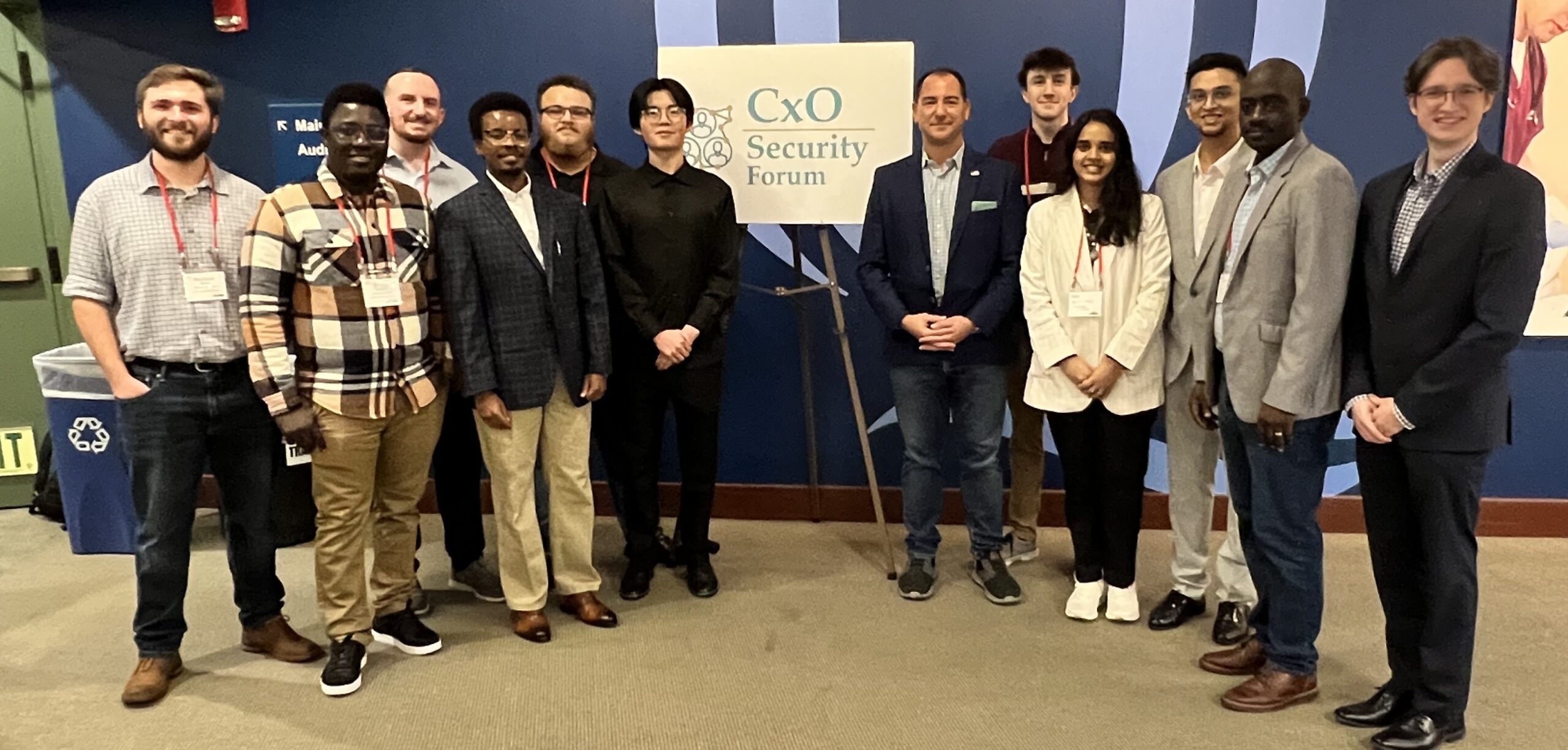
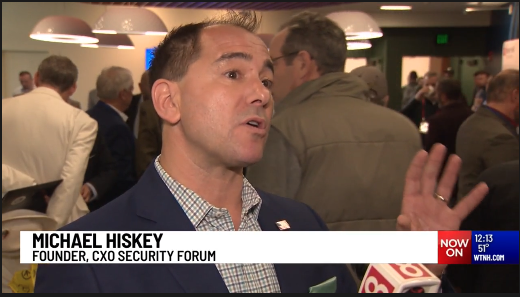
CxO Security Forum began as a response to a common frustration among senior cybersecurity leaders: the way enterprise solutions are marketed, sold, and evaluated is fundamentally broken. What started as a call for change has grown into a trusted community that puts executive practitioners at the center of the conversation.
We bring together CISOs, CIOs, and senior decision-makers who are responsible for protecting their organizations, guiding strategic risk, and navigating the evolving role of AI in security. Every forum, gathering, and conversation is designed to foster education, mentoring, and authentic peer connection.
What makes us different is our focus on relationships. Our events are intentionally small, curated, and built for real dialogue. Sponsors are carefully selected, and there are no product pitches. Participants come for thoughtful, actionable conversations that support both professional development and practical decision-making.
At CxO Security Forum, the goal is simple. Give experienced leaders a space to learn from one another, to share insight, and to build meaningful connections that last beyond the event itself.
Location
Venue: Eastern Michigan University, Ypsilanti, MI
900 Oakwood St #370
Ypsilanti, MI 48197

Registration
Registration is open only to qualified executives (excluding Sales, Marketing, and Business Development!)
© 2025 CxO Security Forum. All rights reserved