Detroit Cybersecurity & Fraud Forum
A Collaborative Practitioner-Led Executive Gathering
Thursday 16 April 2026
Days
Hours
Minutes
Seconds
A highly curated, single-track Forum for off-the-record discussion—without sales pitches, vendor theater, or commerical conference noise.
Hosted at Eastern Michigan University, the Forum replaces traditional conference formats with short, insight-driven talks and deeply moderated peer discussion—designed for leaders who value practical experience over marketing narratives.


Participants
FULL Registration is just $25
(includes Breakfast, lunch, full conference pass & CPEs!)
Why Leaders Across Cyber, Risk, Compliance & Fraud Should Participate
This Forum is designed for Director-level and above leaders from end-user organizations, including:
CISOs, CIOs, CTOs
Heads of Cybersecurity, Fraud, Risk, and Compliance
Security, Identity, and GRC leaders in regulated industries
Public-sector and higher-education security executives
Solution providers may participate by invitation only and in clearly defined roles that support discussion—not product marketing.
What Makes This Different
Most cybersecurity conferences prioritize scale, sponsorship, and lead generation.
This Forum prioritizes:
Depth over volume
Conversation over content dumping
Peer credibility over promotion
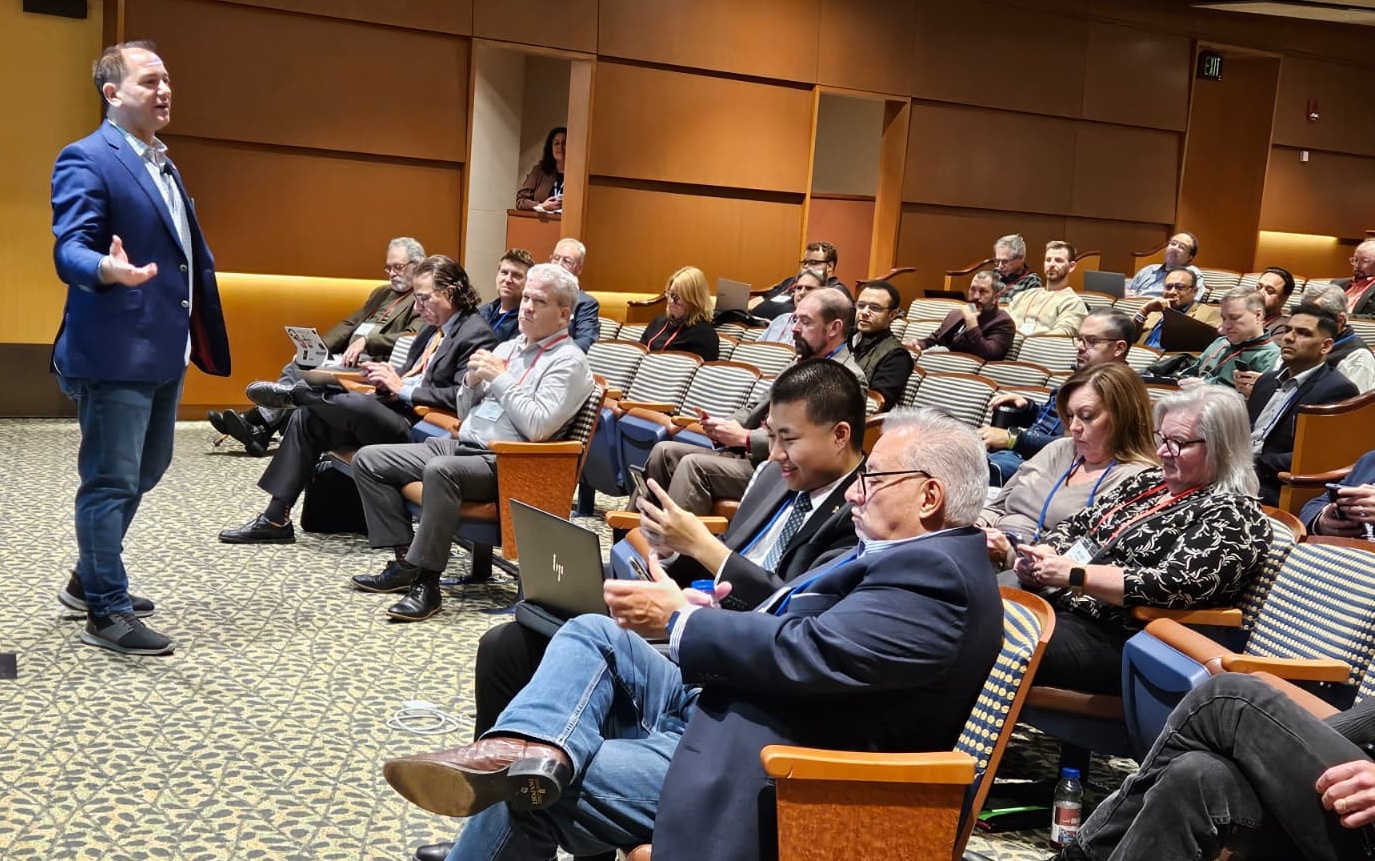
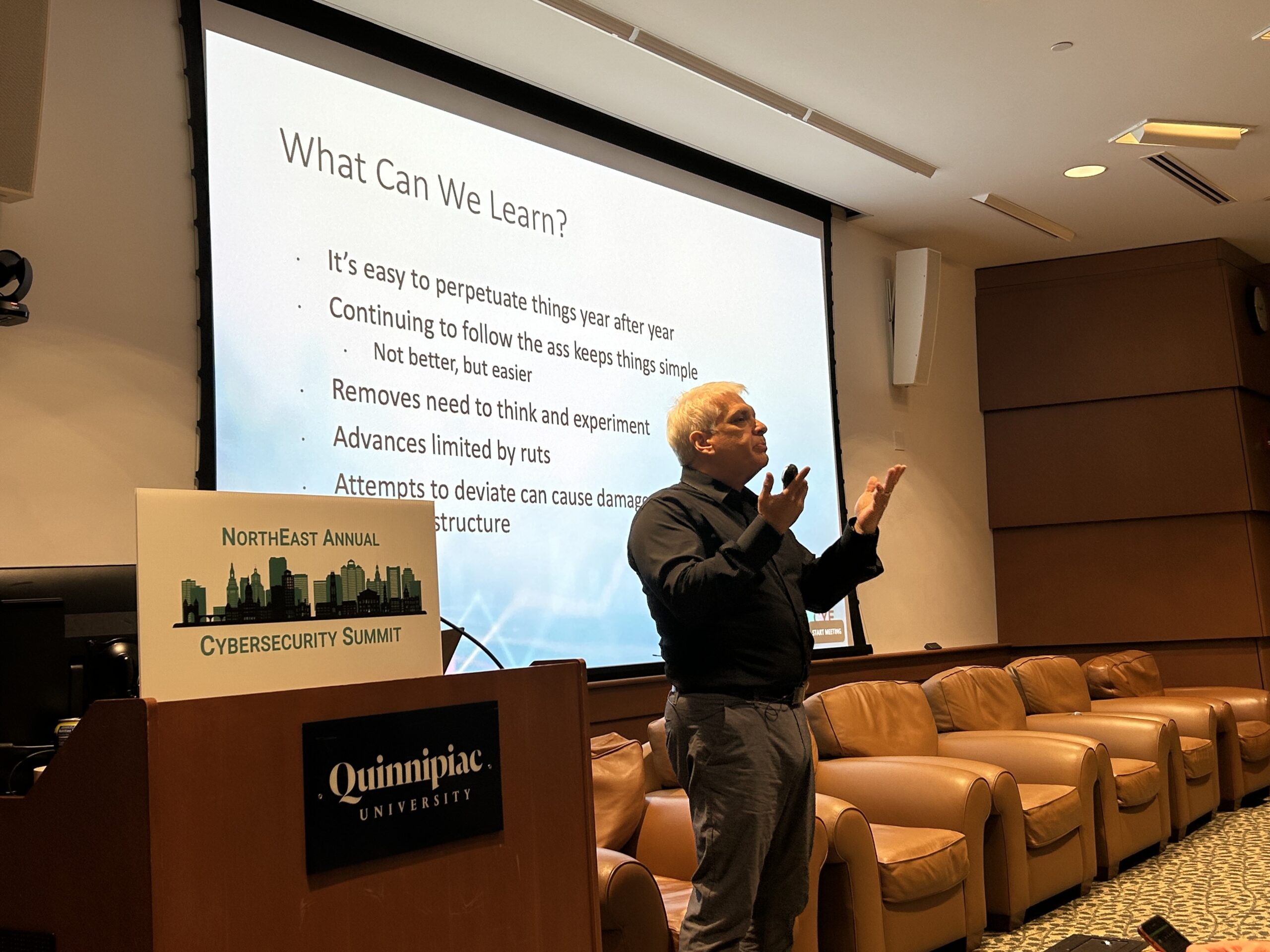
Discussion Leaders open each session with short, TED-style framing remarks. From there, the room does the work—sharing lived experience, trade-offs, and lessons learned under Chatham House Rules.
Agenda
Registration & Networking
8:30 AMWelcome/Introductions
The Summit is a collaboration point for the many member-driven professional associations across the region. Hear a brief introduction from Board Members of each of those InfoSec & Fraud Associations as we open the agenda
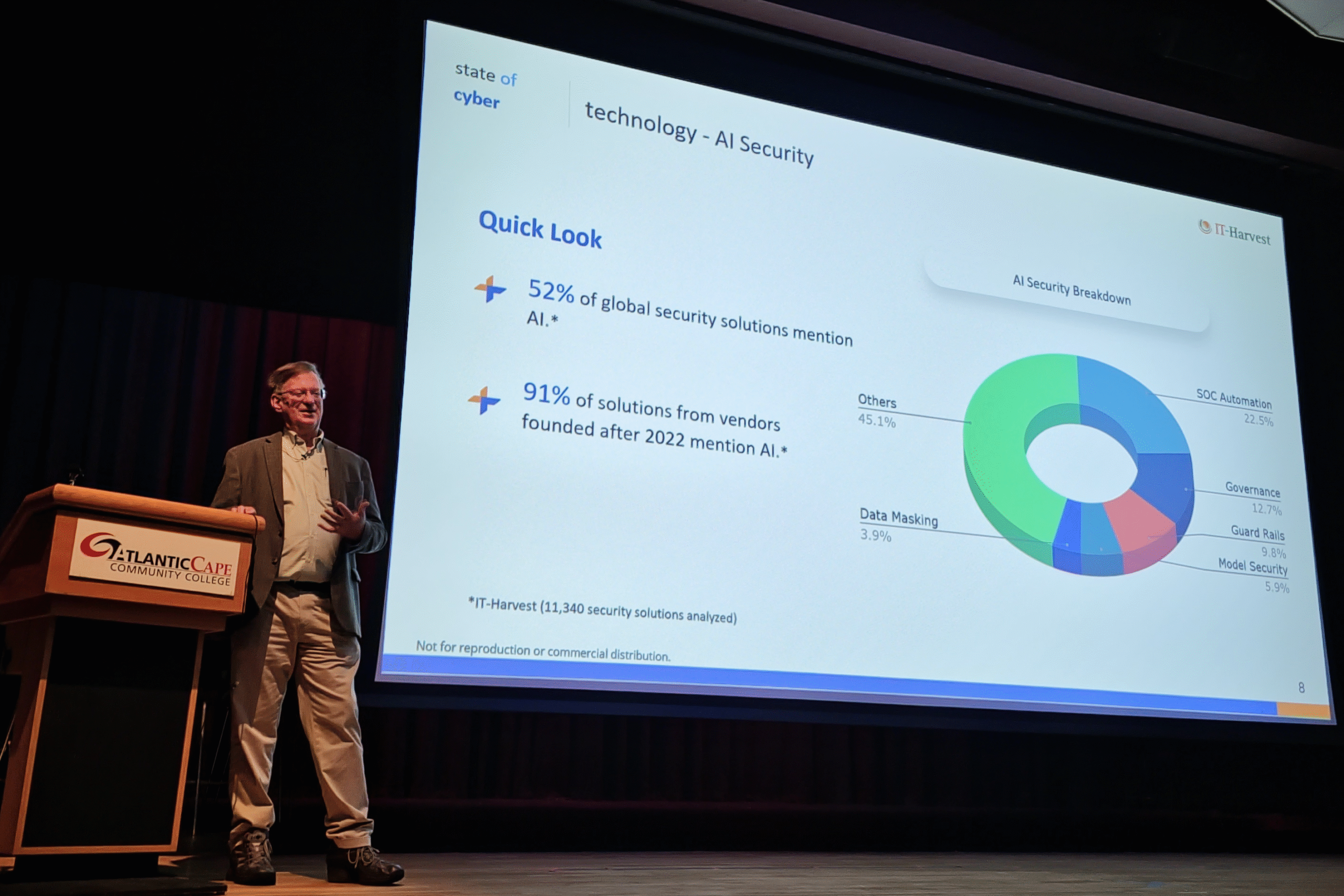
9:20 AMThe State of Cybersecurity 2026: Mapping the Industry, Measuring AI’s Real Impact, and Making Sense of 4,550 Vendors [Discussion Pod #1]
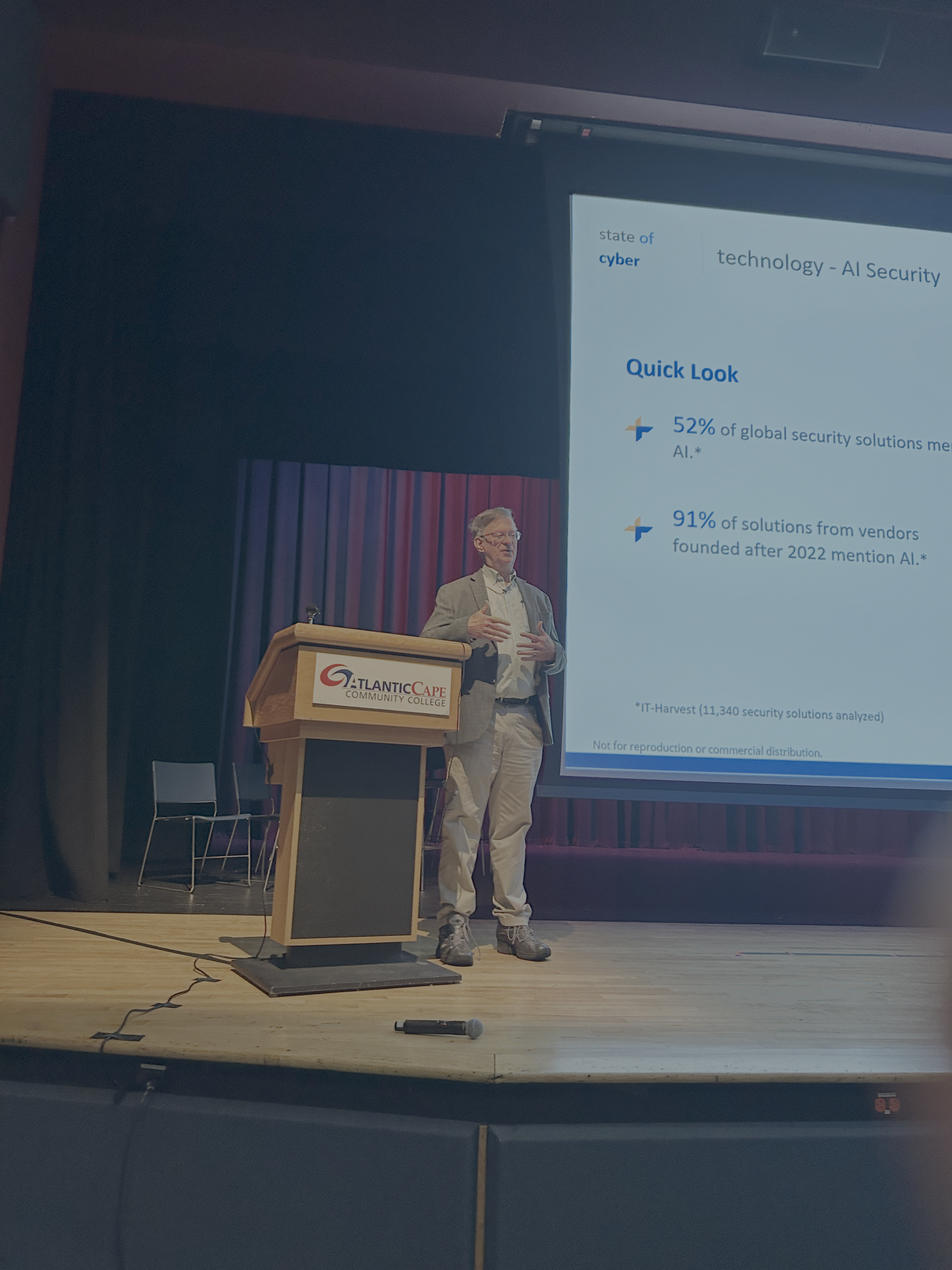
Richard Stiennon, veteran analyst and industry provocateur will kick off the Summit, taking us on a data-rich tour of the entire cybersecurity industry—all 4,550 vendors, 660 subcategories, and $12 billion in recent funding. Drawing from his forthcoming book, Stiennon will share insights derived from two decades of studying cyber trends at Gartner and now IT-Harvest—the only firm systematically cataloging the global cyber vendor ecosystem.
This talk is not just about the numbers. Richard will break down the practical implications for executives:
- How to navigate a vendor landscape bloated with similar claims and vague value props
- Where AI is truly being built in cybersecurity—what’s real, what’s noise, and what agentic AI might change
- What vendor origin says about product capability, reliability, and alignment with enterprise needs
- Why vendor consolidation isn't the answer—and what to do instead
He’ll also spotlight key global dynamics, such as Israel’s IDF-fueled innovation engine, Germany’s vendor loyalty culture, and the emergence of AI Security as a distinct and fast-growing segment.
If you’ve ever asked “What should I actually be paying attention to in cybersecurity right now?”—this is your answer. This session will set the tone and context for the day, offering a strategic foundation for every discussion that follows.
9:45 AMWhen Cyber Hits the Fan: Who to Call, What to Share, and How to Get Real Help [Discussion Pod #2]
John Felker, former Assistant Director for Integrated Operations at CISA, will lead a discussion to cut through the confusion. Drawing on decades of leadership across government, military, and private-sector cybersecurity, Felker will explain how key agencies actually fit together, when each should be engaged, and how organizations can build relationships before an incident occurs.
When a serious cyber incident unfolds, most security leaders face the same problem: who do you call first, what do you share, and how do you get meaningful help fast? Between CISA, the FBI, Secret Service, regulators, ISACs, state fusion centers, and InfraGard, the landscape can feel fragmented—especially under pressure.
He will also address a major shift in the cyber landscape: in many cases, the private sector now develops threat intelligence as fast as—or faster than—the government. As AI, quantum, and nation-state activity accelerate risk, effective defense increasingly depends on trusted two-way collaboration.
The moderated discussion to follow will focus on real operational scenarios: when to call CISA vs. the FBI, how to engage government partners without triggering unnecessary scrutiny, how ISACs and InfraGard fit into an enterprise threat-intelligence strategy, and what practical steps CISOs can take to build trusted relationships before an incident occurs.
10:20 AMInside the Mind of the Adversary: Espionage, Negotiation, and the Battle for Digital Control [Discussion Pod #3]
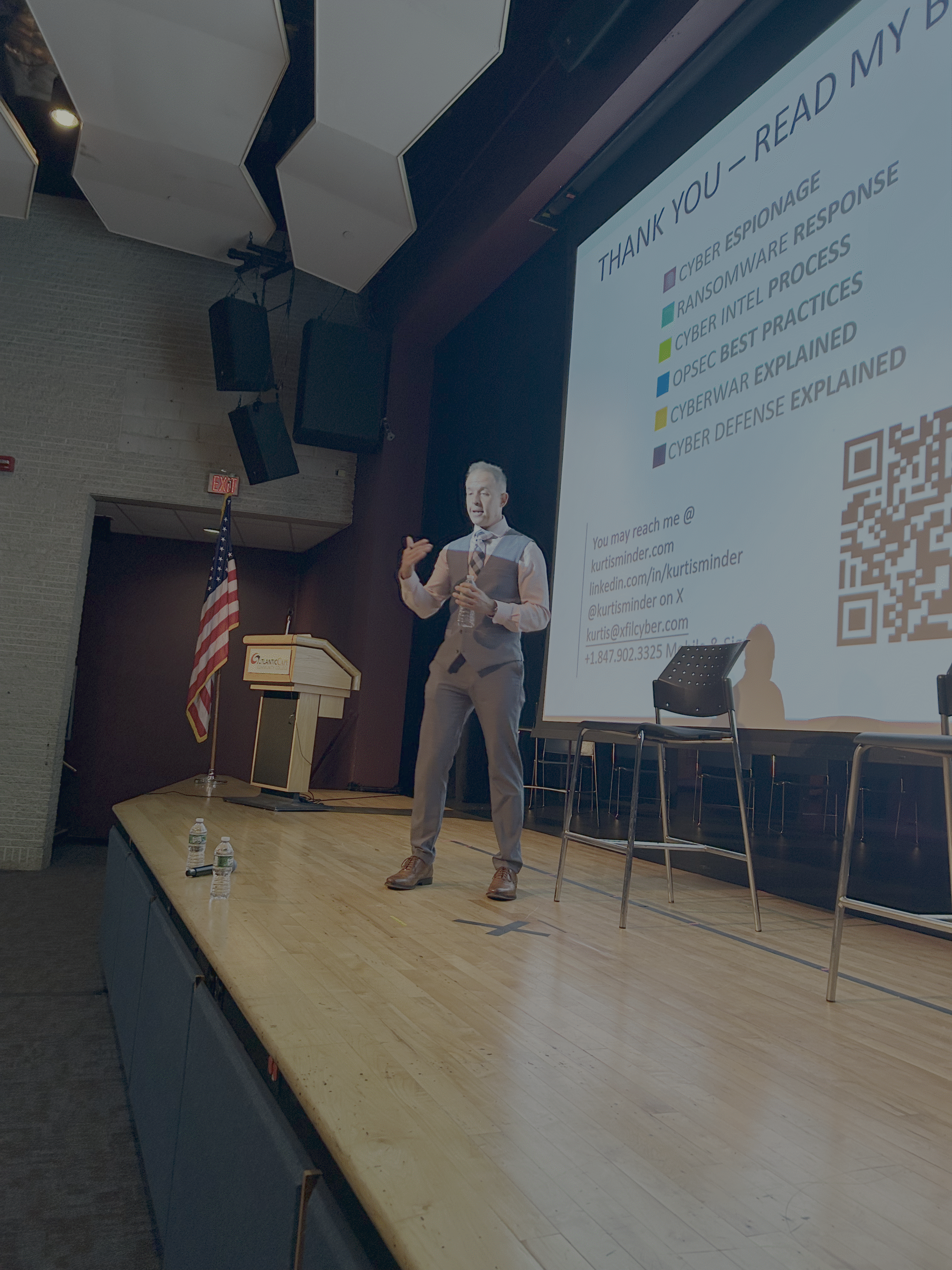
Kurtis Minder has spent the last decade doing what most cybersecurity professionals only read about—negotiating directly with cybercriminals, including ransomware gangs, nation-state affiliates, and digital extortionists. As the founder and CEO of GroupSense, Minder built a world-class cyber espionage team, managing over 4,000 personas in multiple languages. He helped victims navigate headline-making ransomware attacks, and briefed everyone-from Congress to the Intelligence Community.
In this gripping, TED-style keynote, Kurtis draws from his new book, Cyber Recon, and his real-world experience leading some of the largest ransomware response efforts globally. He’ll walk attendees through the tradecraft of cyber reconnaissance, the nuances of engaging threat actors using mindful negotiation, and what it really takes to protect your organization in today’s hostile digital landscape.
Blending operational insights with personal stories—from fake identities like “Vinny,” to briefing Congressional subcommittees—Kurtis offers a rare, behind-the-scenes look at the human element of cyber conflict. Whether you lead security for a Fortune 500 or a regional bank, you’ll leave with concrete lessons on digital risk, negotiation, and resilience in the age of cybercrime.
The CVE Ecosystem Today & the AI Agents Burning Watts to Fix It [Discussion Pod #4]
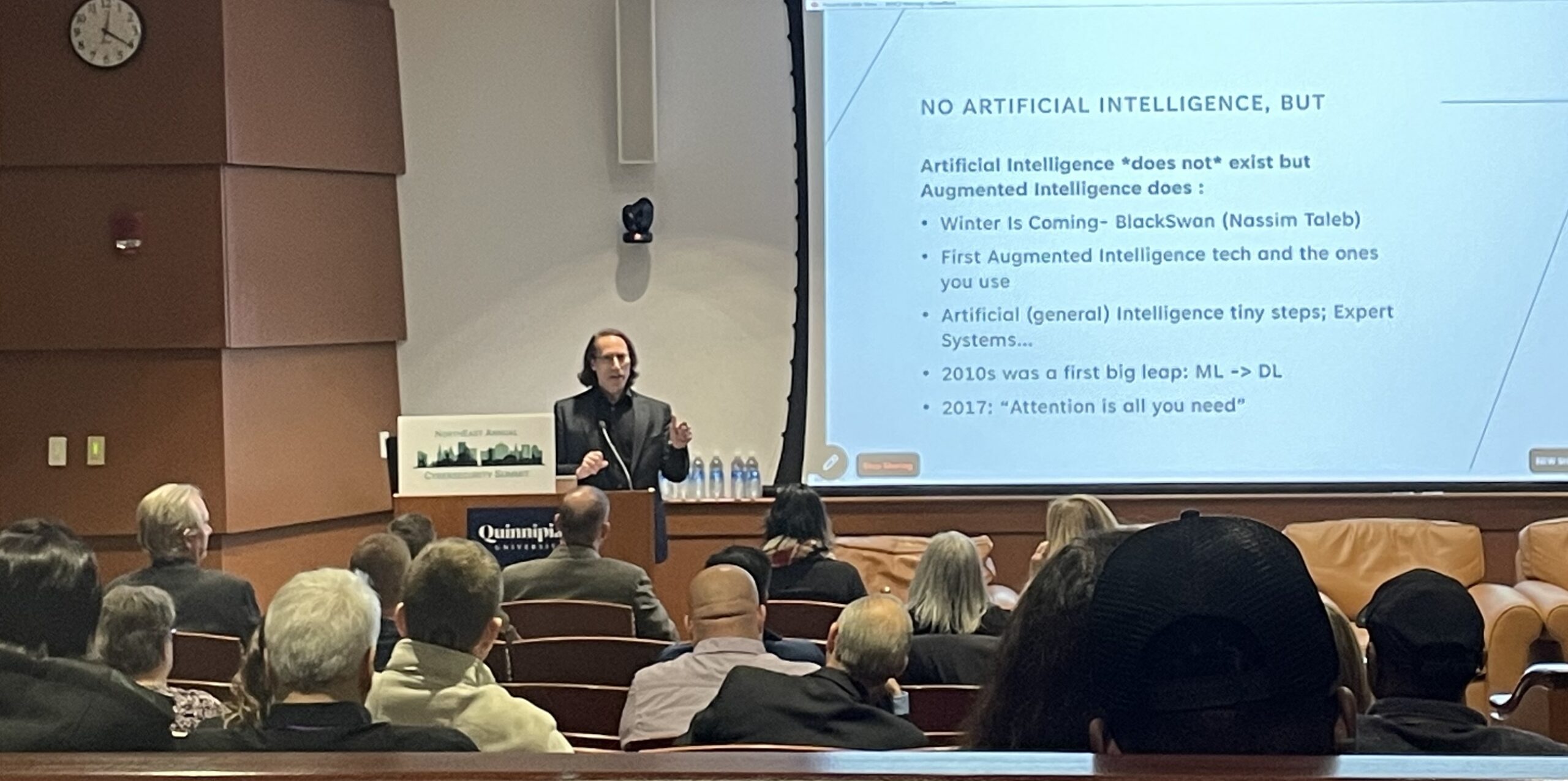
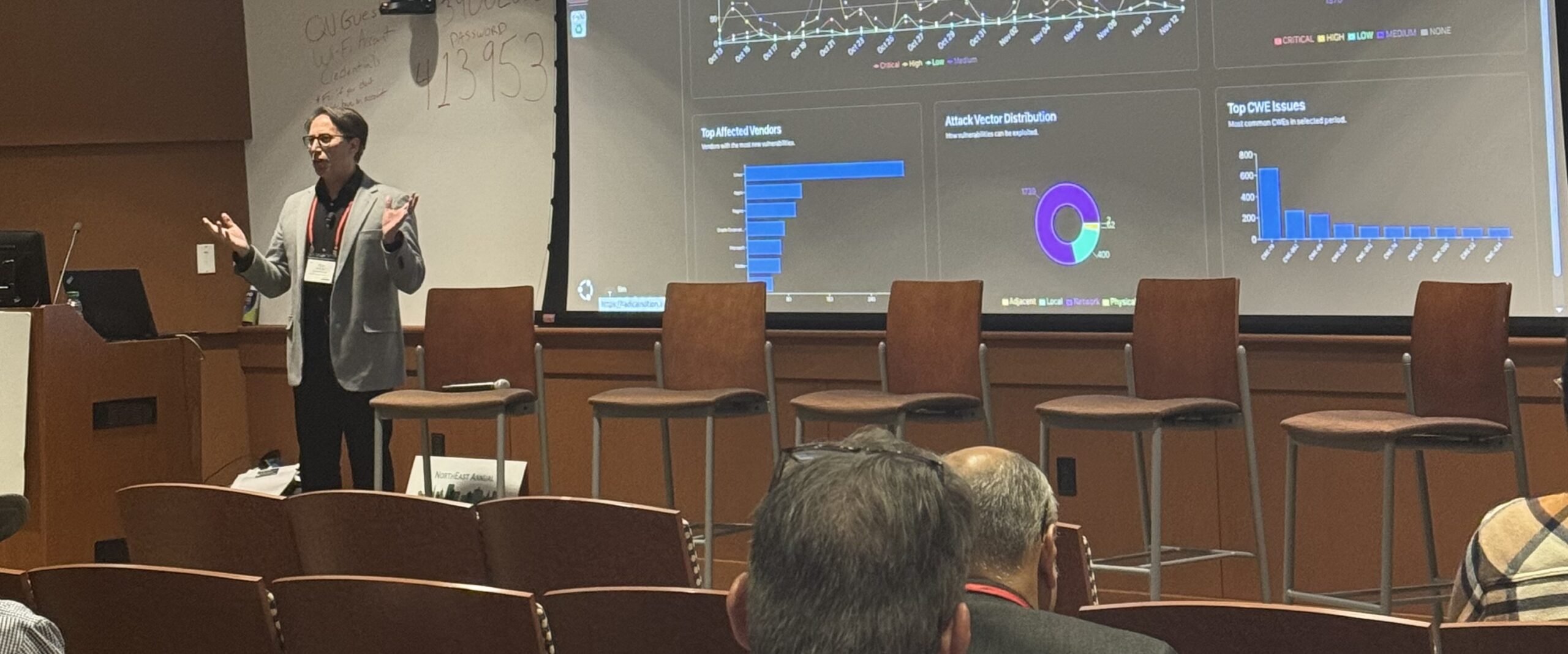
Tim Rohrbaugh, back at NEACS by popular demand, has taken a very deep look at the CVE pipeline (Common Vulnerabilities and Exposures), its 429 CVE Numbering Authorities (CNAs), timelines of reporting, and the ecosystem of scores, updates, and rankings.
News Flash: Everything we know about CVEs is wrong.
The CVE pipeline is bursting at the seams—and the downstream ecosystem that enterprises rely on to make sense of it (CVSS scores, vendor advisories, scanners, ticketing) is lagging, inconsistent, and noisy. Meanwhile, security teams are asked to do more with less while the volume of new "Published" and Updated CVEs are relentless.
In this session, Tim explores what’s fundamentally broken—then shows how cyber leaders can deal with it. He will demonstrate how small teams can stand up trustworthy, domain-tuned synthetic-reasoning agents (AI) to shoulder the grunt work for quality analysis that can give teams focused daily updates to protect systems and data.
Participants will learn:
- Where the current understanding of CVE/NVD/scorecard is broken—and what to stop trusting and start questioning.
- How to build “home-grown” AI assistants that prioritize, explain, and script fixes safely.
- How to use Distillation to make efforts highly accurate without exposing sensitive details
Lunch & Solution Showcase Networking Discussions
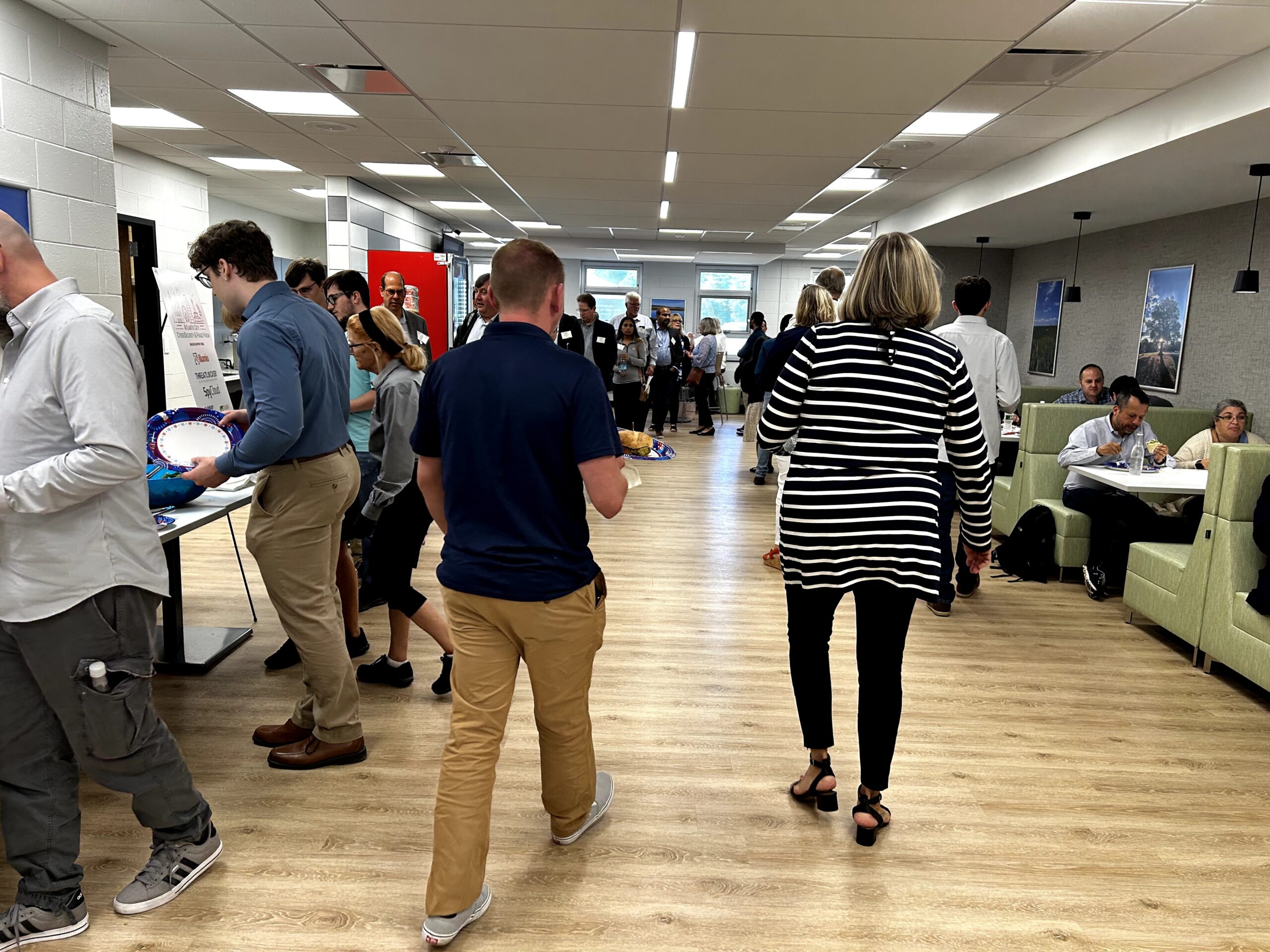
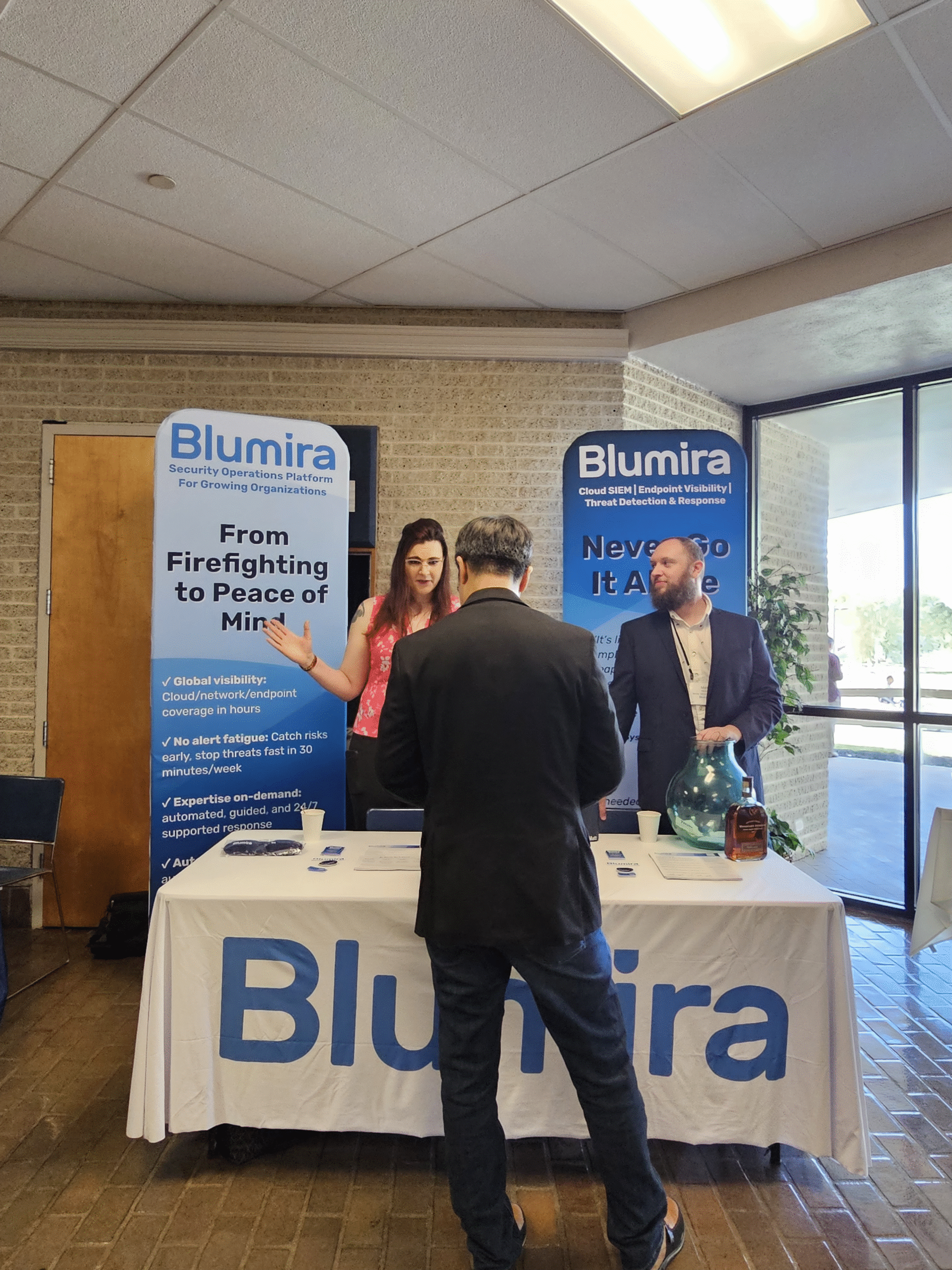
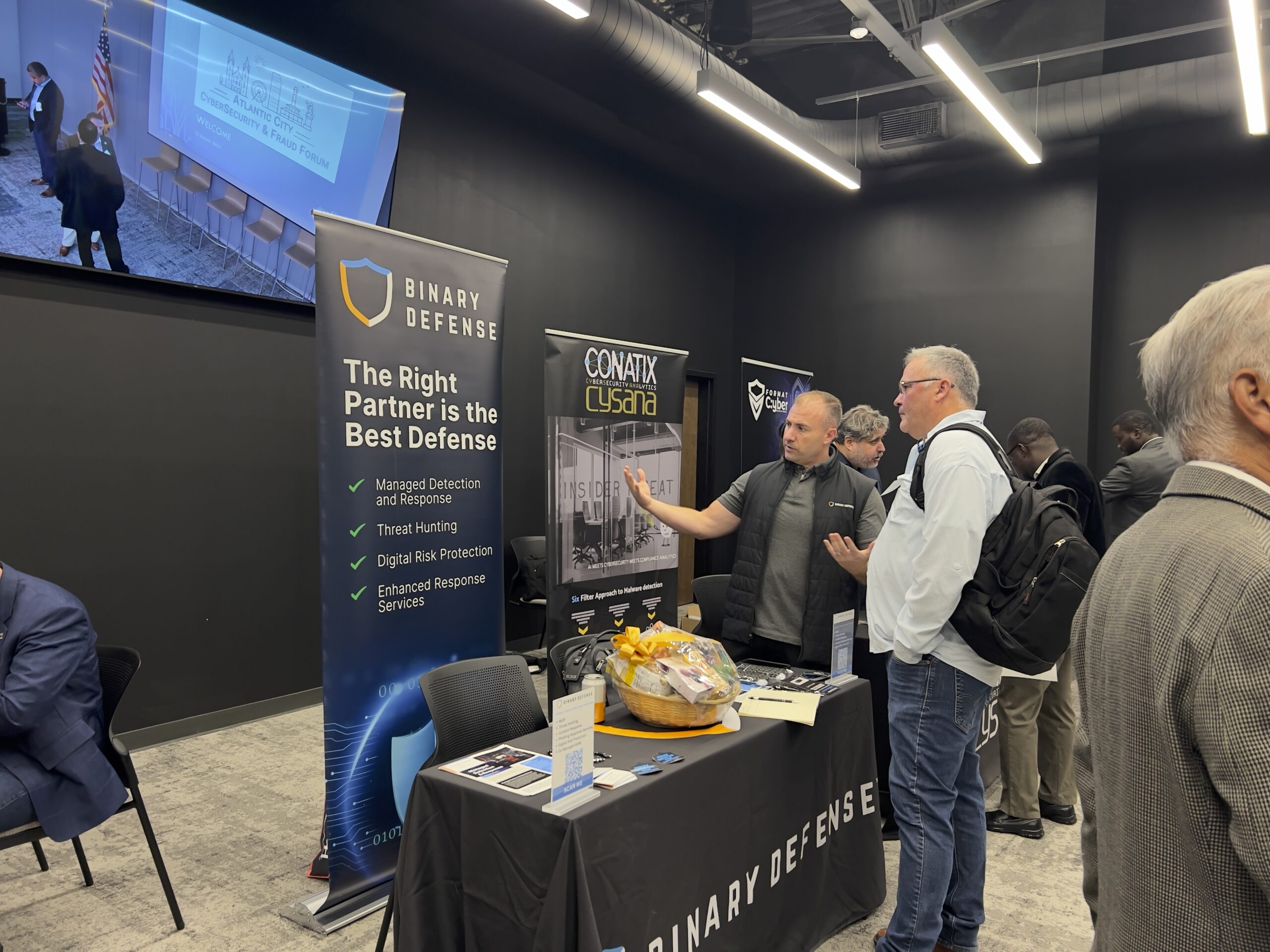
Participants will enjoy a lovely full hot lunch while connecting with the thoughtful Solution Providers who are supporting the community at the Summit!
12:20 PMIt’s Not Just Bad Hygiene—It’s Criminal Negligence [Discussion Pod #5]
What the Largest Bank Fine in U.S. History Means for Cybersecurity Leaders
Presented by: Special Agent Carlo Nastasi, IRS-Criminal Investigations
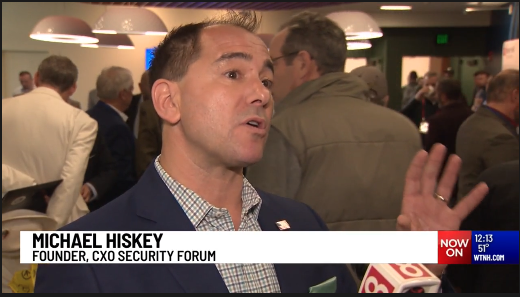
Moderator/Framing Remarks: Michael Hiskey, Founder – CxO Security Forum
IRS-Criminal Investigations will talk us through what started as a routine money laundering investigation and then became the largest criminal BSA case in U.S. history: TD Bank pled guilty and paid a record-breaking $3 billion fine for failing to detect and report financial crimes between 2018 and 2024. But this wasn’t just a banking compliance failure—it was a breakdown of fundamental controls that cybersecurity teams should recognize as eerily familiar: weak identity verification, outdated monitoring tools, no internal escalation, and massive blind spots in onboarding.
With the passage of the AI Clarity Act and GENIUS Act, any company involved in digital asset transactions—especially fintechs and crypto-related entities—will now fall under the Bank Secrecy Act (BSA). That means cybersecurity functions may be criminally liable if they fail to detect malicious or illicit behavior.
This session reframes cybersecurity risk from “fear of breach” to fear of prosecution. If your organization touches crypto, stablecoins, or manages digital financial flows, this talk is your wake-up call. Learn what went wrong at TD, how BSA violations can stem from cyber failings, and what proactive cyber leaders should do now to protect not just their companies—but themselves.
1:15 PMAgentic AI Meets Zero Trust: What Actually Breaks—and How to Fix It [Discussion Pod #6]
Presented by: Josh Woodruff, Author, Agentic AI + Zero Trust
In the rush to deploy autonomous/semi-autonomous AI, Community Members have shared their doubts that existing identity, data, and control frameworks are ready. Drawing from years of research for his book and field experience, Josh will share:
- Why most agentic AI initiatives fail operationally, not technically
- How Zero Trust principles must evolve for AI agents, workflows, and non-human identities
- Where security teams need to rethink identity, authorization, and monitoring
- What CISOs and CIOs can do now to avoid costly architectural mistakes
This session blends short-form insights with moderated group discussion, focused on immediately actionable takeaways for enterprise leaders.
1:50 PMDegrees, Certs & Entry-Level Grit: What Cyber Grads Can (& Can’t) Do For You
[Panel]
This panel discussion features a real-world exchange between cyber educators and industry leaders. Professors will share how they’re designing programs with hands-on labs, industry-funded projects, and even high school hackathons. CISOs and CTOs will weigh in on the “last-mile” problem: grads with zero experience, mismatched expectations, and a professionalism gap that’s hard to ignore.
With over 700,000 unfilled cybersecurity jobs in the U.S., you’d think the hiring problem would solve itself. But here’s the rub: cybersecurity programs are churning out grads, and CISOs still ask, “What can they actually do on day one?” Are they SOC-ready? Do they understand fraud prevention, governance, compliance—or even what cybersecurity is?
We’ll dig into big questions:
- Are four-year degrees still the gold standard—or are certs and bootcamps the smarter play for mid-career upskilling?
- How do you hire interns and set expectations when “everyone is busy”?
- What can companies do (without breaking budgets) to actually shape the talent pipeline?
- And how can we close the generation gap without lowering the bar?
Come for the honest dialogue, stay for the practical takeaways—and leave with a few ideas for fixing a system that isn’t working for educators, employers, or students.
2:30 PMThe Next Breach Won’t Look Like the Last One: Preparing for What You’re Not Measuring [Discussion Pod #7]
Every security program today is optimized to prevent the last breach.
The controls, dashboards, budgets, and board conversations are all shaped by yesterday’s incidents—ransomware, phishing, endpoint compromise. But the next wave of risk is already forming outside those models: non-human identities, AI-driven decisioning, supply chain entanglement, and silent data manipulation that doesn’t trigger alerts.
In this closing session, we’ll challenge a dangerous assumption: that improving today’s controls will protect you from tomorrow’s threats.
This discussion will explore:
- Why most enterprise security programs are overfit to known attack patterns
- Where visibility is breaking down (AI agents, APIs, third-party logic, machine-to-machine trust)
- How attackers are shifting from disruption to subtle manipulation and persistence
- Why traditional metrics (MTTR, patch SLAs, alert volume) may be giving false confidence
- What leading organizations are doing to rethink detection, trust, and resilience before the next wave hits
This is not a prediction talk. It’s a reality check. Expect a fast-paced, candid discussion that forces a simple but uncomfortable question: What risks are we blind to—because we’re not even looking for them?
3:00 PMClosing Discussion & Networking
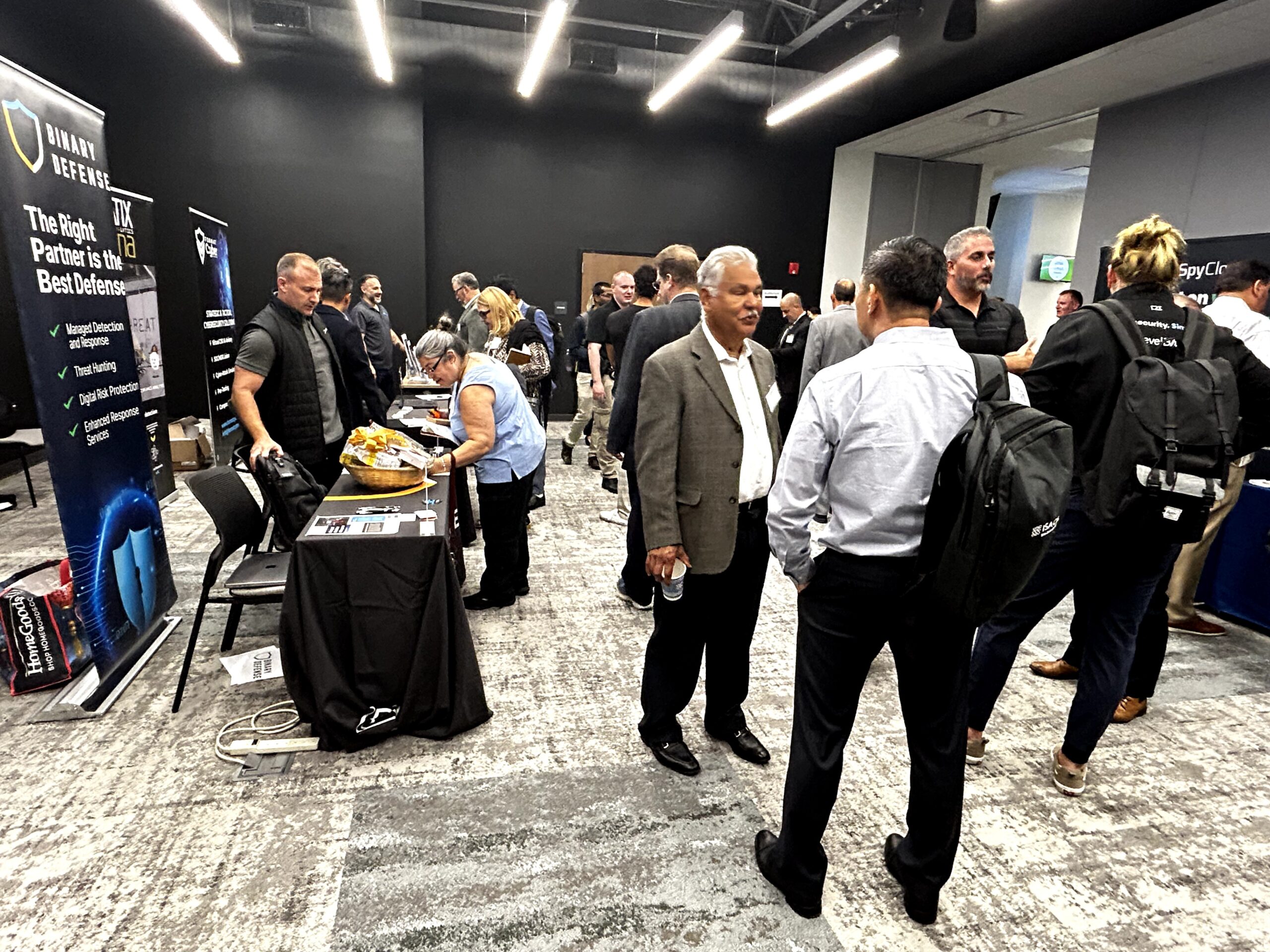
Stay & Connect: Informal Networking + Solution Showcase
Before hitting the road, grab a coffee and take time to connect. Trade insights with peers, chat with Solution Providers, and follow up on the ideas sparked throughout the day.
No panels, no pitches—just real conversations to wrap things up right.
3:30 PMMichigan Cyber Risk + Fraud Leadership Event 2026
Forum Discussion Leaders
Agenda is still being conformed — past, present and upcoming speakers include:

Richard Stiennon
Chief Research Analyst - IT Harvest
frmr. VP of Research - Gartner
Richard founded IT-Harvest in 2005 to cover the 4,550+ vendors that make up the IT security industry. He has presented on the topic of cybersecurity in 32 countries on six continents. He was a lecturer at Charles Sturt University in Australia. He is the author of Surviving Cyberwar (Government Institutes, 2010) and Washington Post Best Seller, There Will Be Cyberwar, as well as the annual Security Yearbook, published by Wiley for 2025. He was the VP of Research at Gartner. He has a B.S. in Aerospace Engineering from the University of Michigan, and his MA in War in the Modern World from King’s College, London.
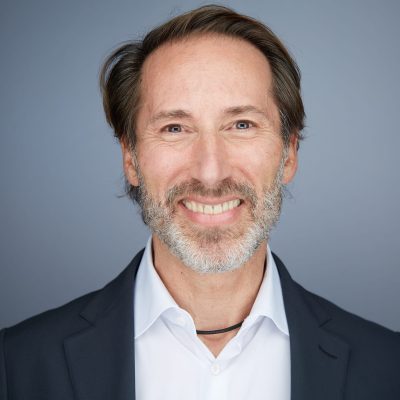
Tim Rohrbaugh
Founder - RadicalNotion.AI, 3x Public Co. CISO
Tim Rohrbaugh brings 20+ years of C-level cybersecurity leadership to the frontier of AI for security and applied engineering. As founder of RadicalNotion.AI and former CISO of JetBlue Airways, he has built and operated enterprise programs that protect high-value, regulated data— including responsibility for safeguarding more than 40 million consumer records at a public financial services company.
A career security architect and systems engineer, Tim advances a practical view of GenAI as “augmented intelligence”: trustworthy, domain-tuned reasoning agents that reduce noise, challenge bias, and accelerate evidence-backed decisions without exposing IP. He has served as Vice Chair of the Airlines for America Cyber Security Council and as a board member of the Online Trust Alliance, where he contributed to national privacy and security policy. His work has been recognized with multiple awards, including Top Global CISO by Cyber Defense Magazine. Tim holds two joint patents in identity verification and authentication and is a frequent speaker and advisor to boards and engineering teams alike.

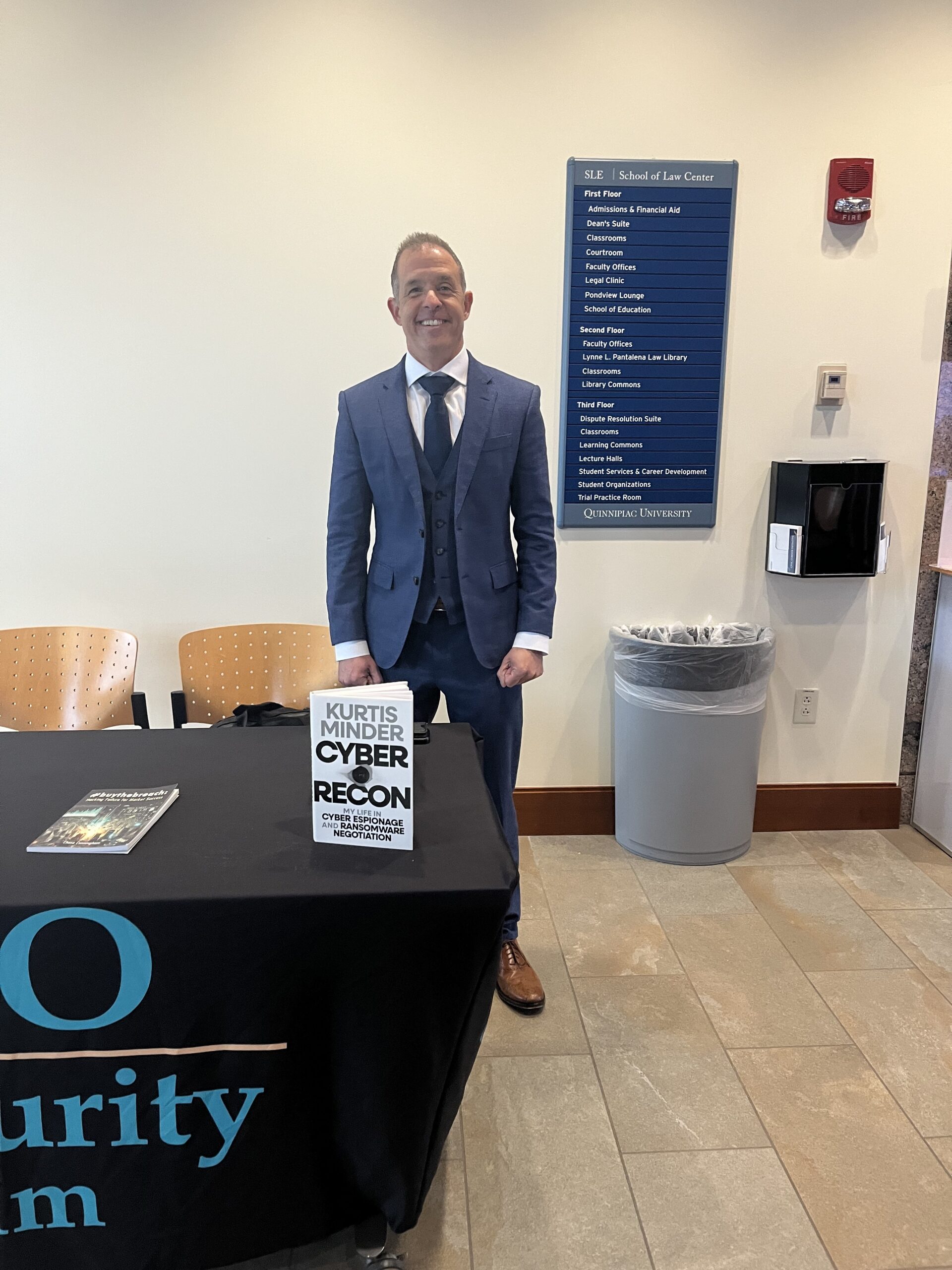
Kurtis Minder
CEO & Co-Founder, GroupSense
Author, Cyber Recon: My Life in Cyber Espionage and Ransomware Negotiation
Kurtis Minder is one of the world’s foremost experts in ransomware response and cyber threat intelligence. As CEO and co-founder of GroupSense, he has led negotiations in some of the largest ransomware and data extortion cases globally, engaging directly with threat actors and nation-state affiliates.
With over 25 years in cybersecurity—including roles at Fortinet, AT&T, and Citrix-acquired Caymus Systems—Kurtis has combined operational security, cyber reconnaissance, and real-world intelligence tradecraft into a uniquely effective digital risk strategy. His pioneering work and insights have been featured in The New Yorker, BBC, The Wall Street Journal, and Fortune.
At ACCSFF 2025, Kurtis will deliver a TED-style keynote and participate in a moderated discussion on themes from his acclaimed new book, Cyber Recon, offering a rare behind-the-scenes look at the people, tools, and tactics behind today’s cyber espionage and ransomware ecosystem.

Josh Woodruff
Author, Agentic AI + Zero Trust: A Guide for Business Leaders
IANS Faculty | CSA Zero Trust Working Groups
Josh Woodruff is the author of Agentic AI + Zero Trust: A Guide for Business Leaders, a practical framework for safely operationalizing autonomous AI using Zero Trust principles. Drawing on nearly 30 years of experience as both a CIO and CISO, Josh translates real-world enterprise deployments into clear executive guidance on trust, governance, and risk in agentic systems.
The book—co-authored with Michelle Savage and featuring a foreword by Zero Trust pioneer John Kindervag—cuts through AI hype to explain why most AI initiatives stall in pilot mode, and what successful organizations do differently. Josh is also the Founder and CEO of Massive Scale Consulting, co-leads the Cloud Security Alliance Zero Trust Working Group, and serves as IANS Faculty, advising enterprises across regulated and high-risk industries.
Known for his ability to frame complex AI and security challenges in plain executive language, Josh focuses on helping leaders design guardrails that accelerate innovation without sacrificing control, accountability, or resilience.
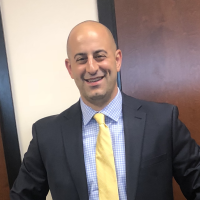
Special Agent Carlo Nastasi
IRS Criminal Investigation (IRS-CI)
Lead Agent – SAR Review Team & Liaison to the Private Banking Industry
Carlo Nastasi is a senior Special Agent with the Internal Revenue Service Criminal Investigation (IRS-CI), where he has led high-profile financial crime investigations for over 16 years. Specializing in money laundering, cyber-enabled financial crimes, and Bank Secrecy Act (BSA) violations, he currently serves as the lead agent on the Suspicious Activity Report (SAR) Review Team and as a key liaison to the private banking industry.
Agent Nastasi was instrumental in the groundbreaking $3 billion TD Bank case—the largest BSA-related fine and first major criminal plea of its kind—where his team uncovered systemic failures in onboarding, transaction monitoring, and compliance reporting. His insights into how traditional financial blind spots intersect with modern cyber threats have made him a sought-after speaker for both regulatory and cybersecurity audiences.
Before joining IRS-CI in 2008, Carlo was an Audit Senior at Deloitte & Touche and holds a degree in finance and accounting from Pace University. Over the course of his career, he has investigated international tax fraud, Ponzi schemes, political corruption, and cybercrime across fiat and cryptocurrency domains. He also previously served on an FBI task force supporting white-collar and political corruption investigations.
Carlo brings a unique perspective at the intersection of cyber risk, financial regulation, and criminal enforcement—and helps organizations understand the real-world consequences of getting it wrong.
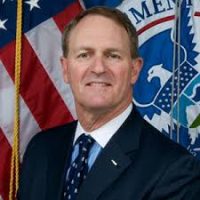
John Felker
Assistant Director for Integrated Operations
U.S. Cybersecurity and Infrastructure Security Agency (CISA)
John Felker is the former Assistant Director for Integrated Operations at the U.S. Cybersecurity and Infrastructure Security Agency (CISA), where he led efforts to coordinate intelligence, operational planning, and mission execution across the agency’s regional and national cybersecurity operations. Prior to that, he served as Director of the National Cybersecurity and Communications Integration Center (NCCIC), the federal government’s primary hub for cyber threat analysis, incident response coordination, and information sharing with critical infrastructure operators.
Following his government service, Felker founded Morse Alpha Associates, a cybersecurity leadership consultancy advising senior executives and boards on cyber risk, resilience, and national security issues. He also serves as a Senior Advisor to The Chertoff Group and the Maritime Transportation System ISAC, and participates on multiple cybersecurity and national security advisory boards.
Earlier in his career, Felker served 30 years in the U.S. Coast Guard, including as Deputy Commander of Coast Guard Cyber Command, Commander of the Coast Guard Cryptologic Group, and Executive Assistant to the Director of Coast Guard Intelligence. His service earned numerous honors, including the Department of Homeland Security Outstanding Public Service Medal, the Defense Superior Service Medal, and the Legion of Merit.

Doug Copley
CISO, AtlantiCare
Doug Copley is a nationally recognized cybersecurity and privacy leader with more than 30 years of experience protecting sensitive data, managing regulatory risk, and guiding organizations through fast-moving technology change. As Chief Information Security Officer at AtlantiCare, he leads enterprise efforts to secure patient information and safeguard one of New Jersey’s most vital healthcare systems.
Doug co-founded and served as chairman of the Michigan Healthcare Cybersecurity Council, and later established Data Protection Partners to help organizations build, strengthen and evolve their information security and privacy programs. Doug has experience building and managing information security, IT and data privacy programs with particular expertise in the healthcare industry. As an executive Risk and IT leader, Doug has held executive roles as CIO, CISO, and Chief Privacy Officer and has experience across the healthcare, financial services and manufacturing industries, working with organizations of all sizes.
Doug is also a frequent keynote speaker, blogger, and media contributor. His insights draw on hands-on leadership across both large enterprises and smaller, fast-moving entities—bringing a rare perspective on how organizations can innovate quickly without sacrificing maturity or compliance.
At the Detroit CyberSecurity & Fraud Forum, Doug will lead a candid discussion on the frontlines of healthcare security—exploring how CISOs are governing AI platforms, managing data integrity, and addressing the unique challenges of one of the most regulated and risk-sensitive industries. Expect practical lessons on balancing innovation with protection, defending against evolving threats, and building governance models that keep pace with AI-driven transformation.
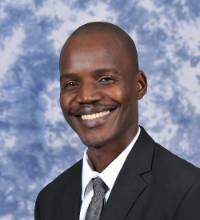
Dr. Jared Oluoch
Professor and Director of the School of Information Security and Applied
Computing (SISAC)
Dr. Jared Oluoch is Professor and Director of the School of Information Security and Applied Computing (SISAC) at Eastern Michigan University. He received a PhD in Computer Science and Informatics from Oakland University in Rochester, MI, in 2015, and a Master of Science in Management Information Systems from the University of Nebraska at Omaha, in 2009. His research interests are in cybersecurity for connected and autonomous vehicles, localization for Wireless Sensor Networks (WSNs), and physical layer security. He has received close to three million dollars in external funding from the National Science Foundation as a PI or Co-PI. He
has advised several master’s and doctoral students in Computer Science and/or Cybersecurity. He is a Program Evaluator for ABET and a senior member of IEEE.
.

Chris Krieger
Staff, Faculty, Part-Time Lecturer
Chris currently works as a Principal Technical Consultant - Security for a Chicago-based technology firm. Chris has been teaching at EMU for 11 years, building and delivering a variety of classes on different cybersecurity topics.
Chris is a cybersecurity professional with experience dating back to 2006, combining deep industry expertise with a strong presence in the classroom. He works closely with Fortune 500 organizations to strengthen defenses against evolving threats such as ransomware, leading initiatives in cyber resilience, identity and access management, and security architecture. His work spans areas including Splunk architecture, privileged access management, multifactor authentication, and cyber-resilient backup design. Chris’s core expertise includes digital forensics, incident response, cloud security, vulnerability management, and cyber recovery.

Dr. Khan Mohd
Assistant Professor, Information Security & Applied Computing
An Assistant Professor at Eastern Michigan University’s School of Information Security & Applied Computing, Dr. Khan Mohd brings a blend of academic excellence and global industry experience. They hold a Ph.D. in Human-Computer Interaction from The University of Toledo, along with an M.S. from the same institution and a B.Tech in Computer Engineering from Jamia Millia Islamia in New Delhi.
Before transitioning to academia, Dr. Mohd spent several years in industry as a software engineer with HCL Technologies and SOPRA, including international experience supporting AIRBUS in France. Their research spans Human-Computer Interaction, cybersecurity, autonomous vehicles, and embedded systems such as Arduino and Raspberry Pi.
In recognition of their contributions to the field, he was named a Senior Member of IEEE in 2023.

Lindsey DeBoever
Deputy CISO, Lear Corporation
Lindsey DeBoever is the Deputy CISO at Lear Corporation, a global Tier‑1 automotive supplier, where she helps lead the company’s cybersecurity strategy across incident response, threat intelligence, vulnerability management, identity, network security, and governance. She partners closely with executive leadership to translate complex cyber risk into clear business impact while driving practical, scalable security programs across a global enterprise.
With a career that spans information security, IT operations, and HR technology, Lindsey brings a unique perspective to the intersection of people, process, and technology. Prior to her current role, she served as Global HRIS Director and led large‑scale digital transformation initiatives focused on data, access, and the digital employee experience. This background informs her approach to cybersecurity by designing security controls that are both effective and usable, reducing friction while strengthening resilience.
Lindsey holds a Bachelor of Science in General Management with a minor in Applied Technology in Business from Oakland University.
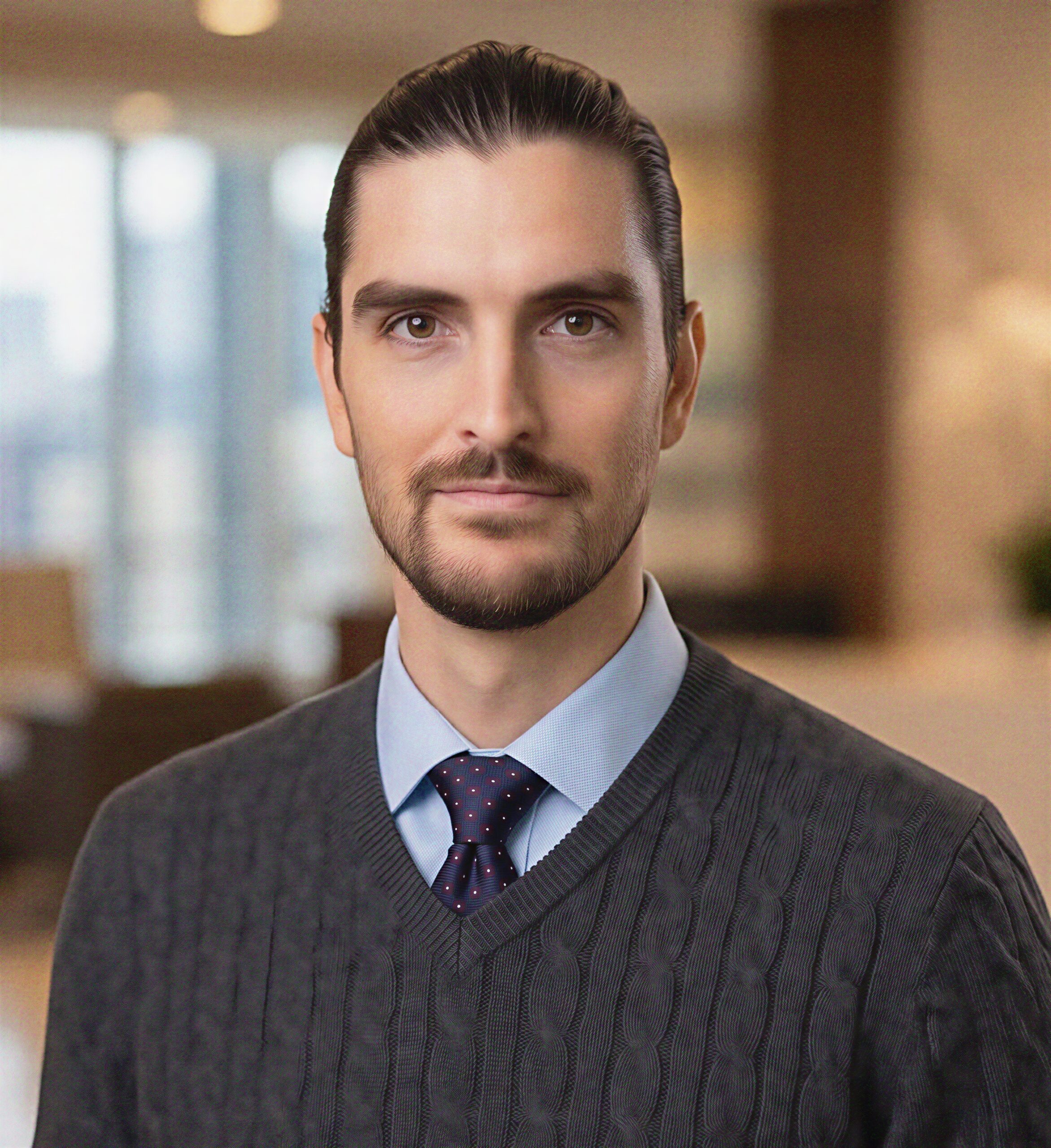
Nathan Wolff
Chief Information Security Officer, Planet Home Lending
Nathan leads the Planet Home Lending’s enterprise-wide information security strategy. With more than 15 years of experience across cybersecurity and infrastructure, he oversees security operations, compliance, engineering, vulnerability management, and privacy—ensuring protection of critical systems while enabling business growth.
Nathan has built and scaled comprehensive security programs within complex financial services environments, including developing cloud engineering capabilities across Azure and AWS and designing resilient network architectures spanning dozens of locations. He is known for translating complex risk into clear, actionable insights for executives, boards, and regulators.
A CISSP and recipient of the HW Rising Star award, Nathan is recognized for making cybersecurity practical and approachable—helping organizations strengthen defenses while maintaining operational agility.
























About CxO Forum
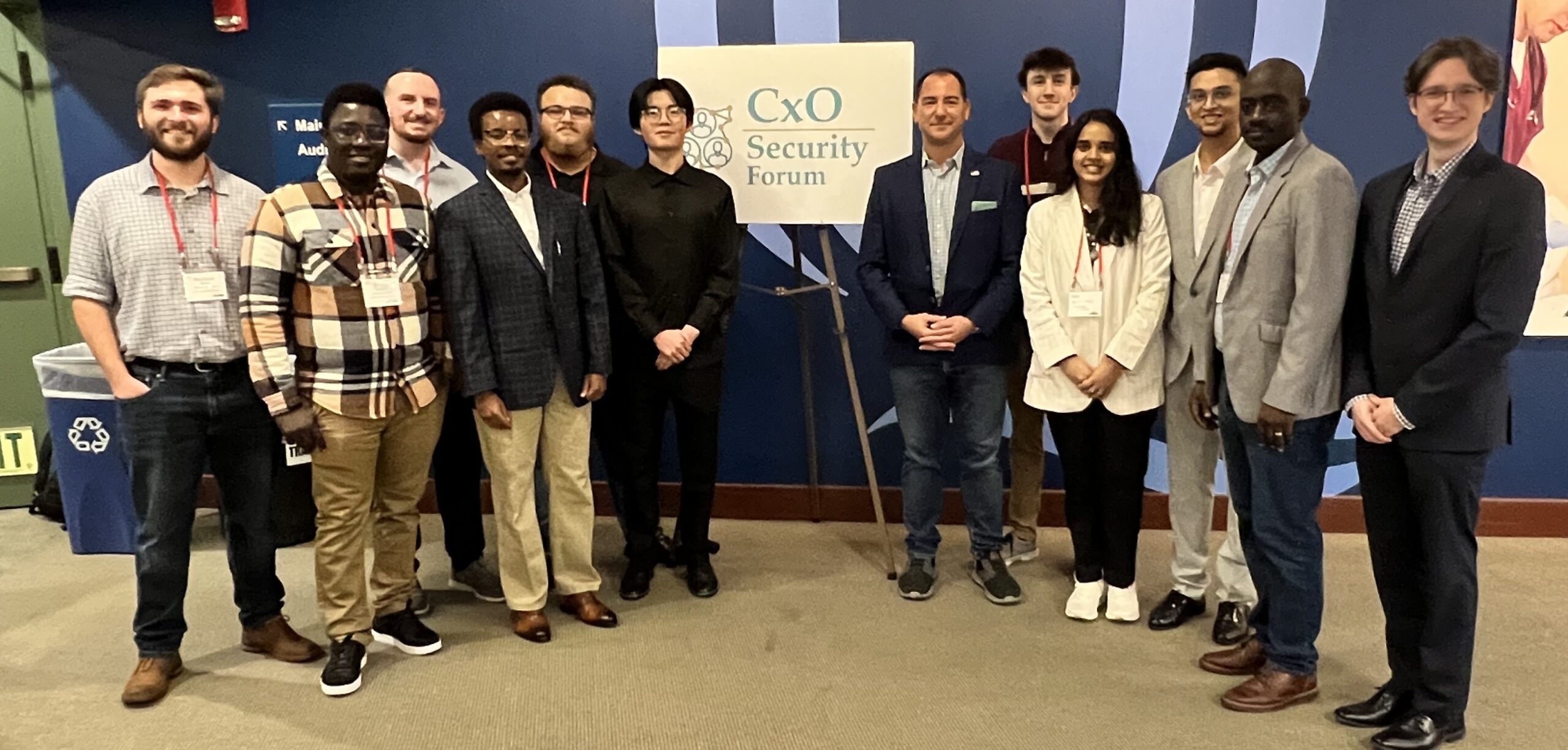
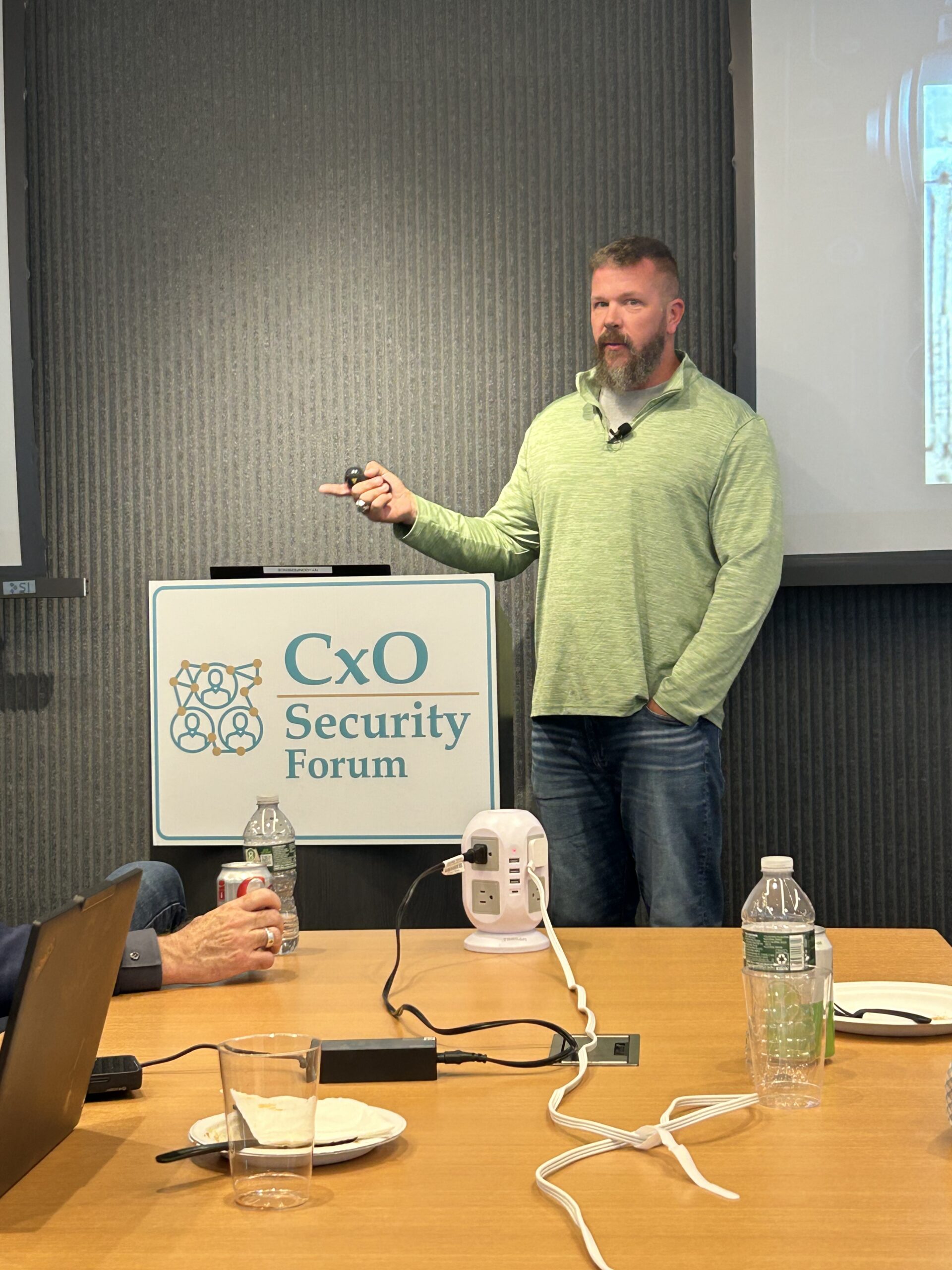
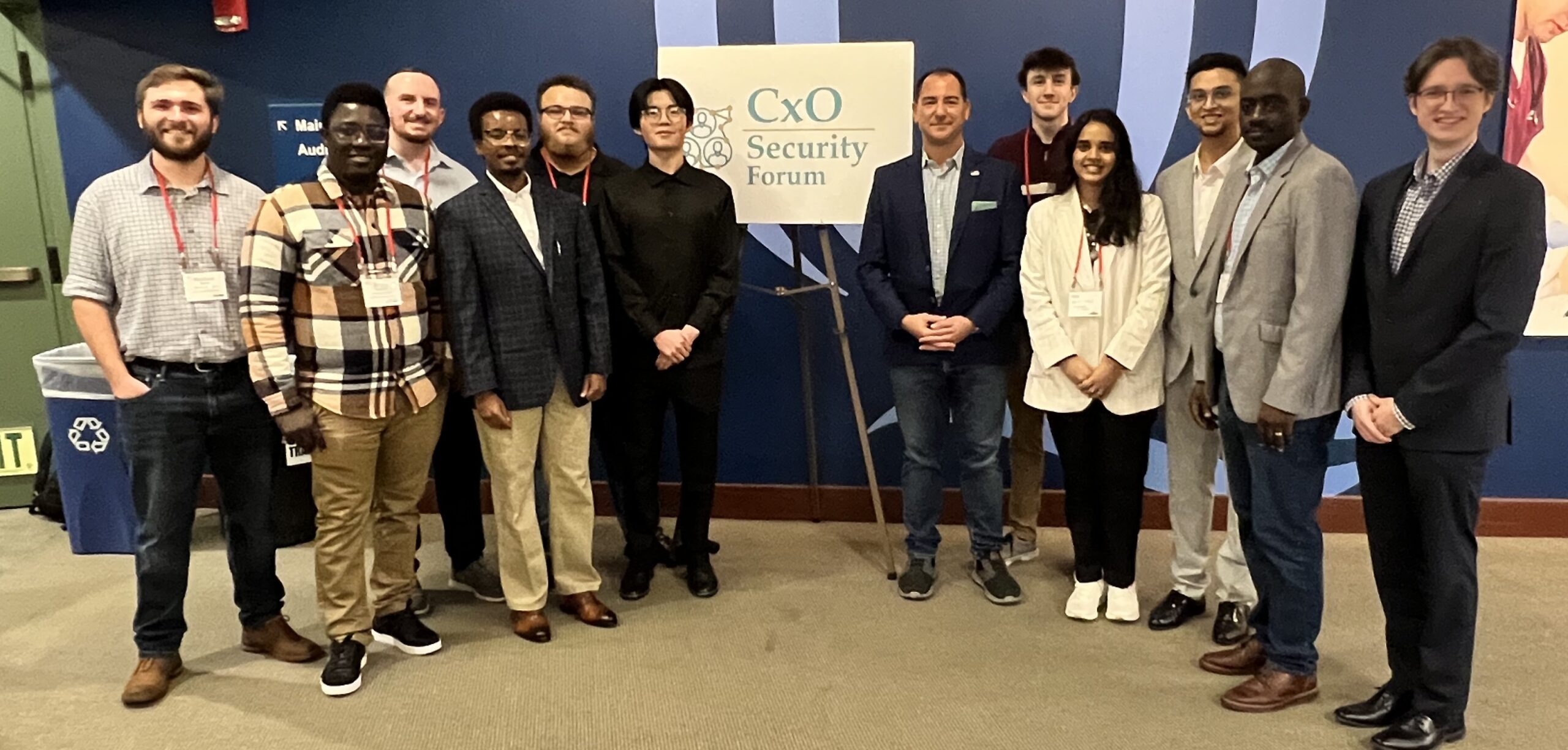
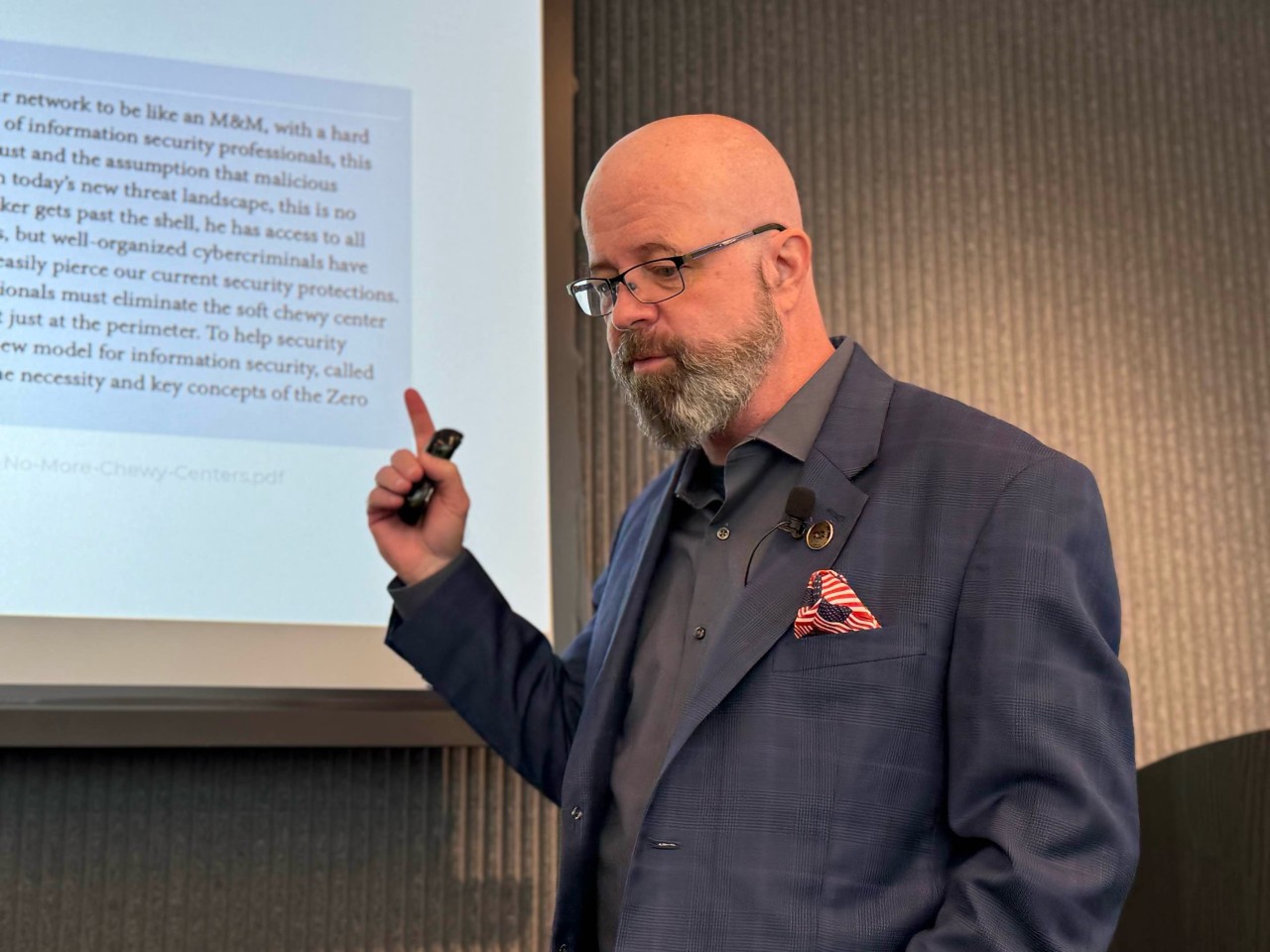
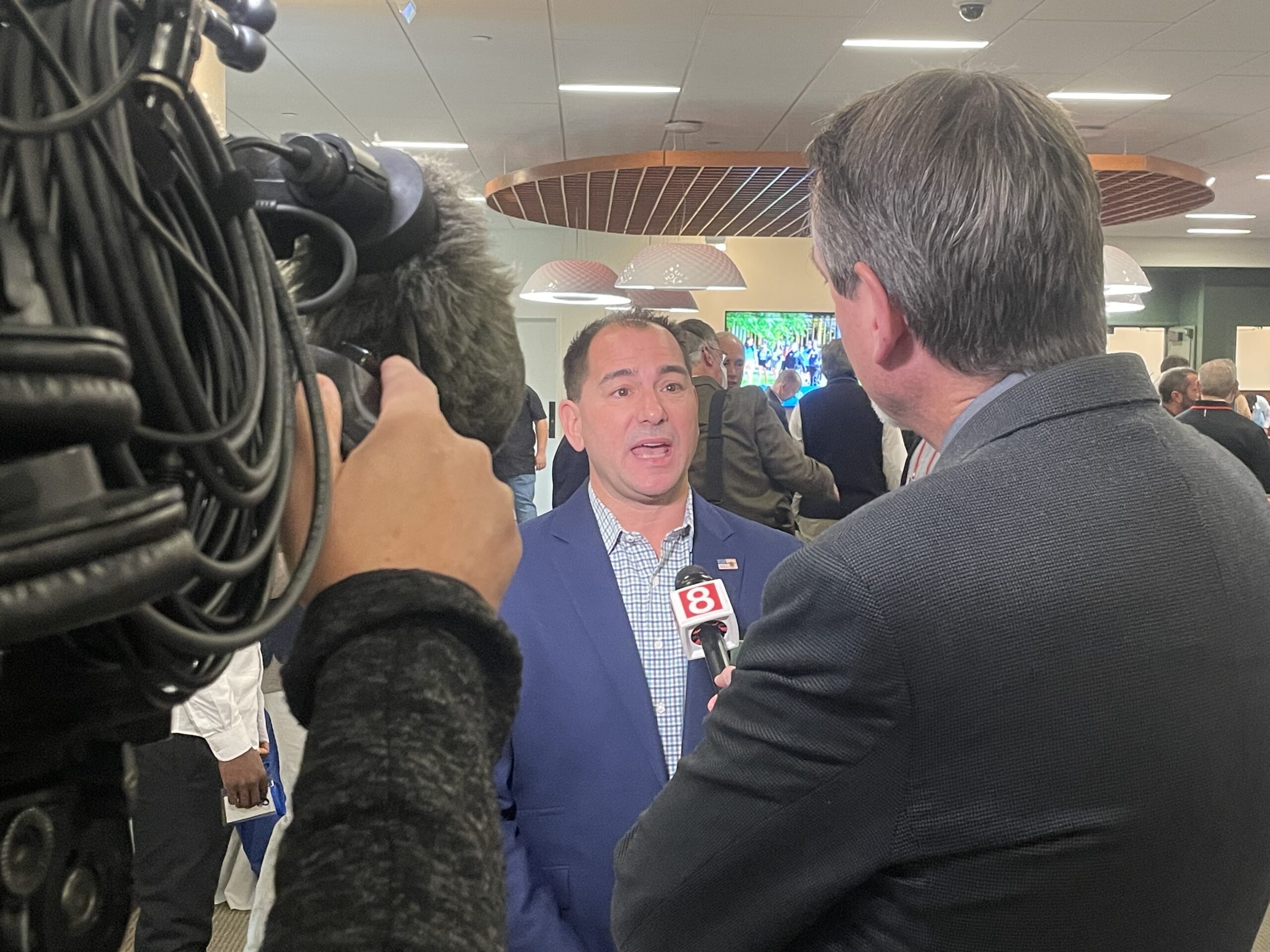
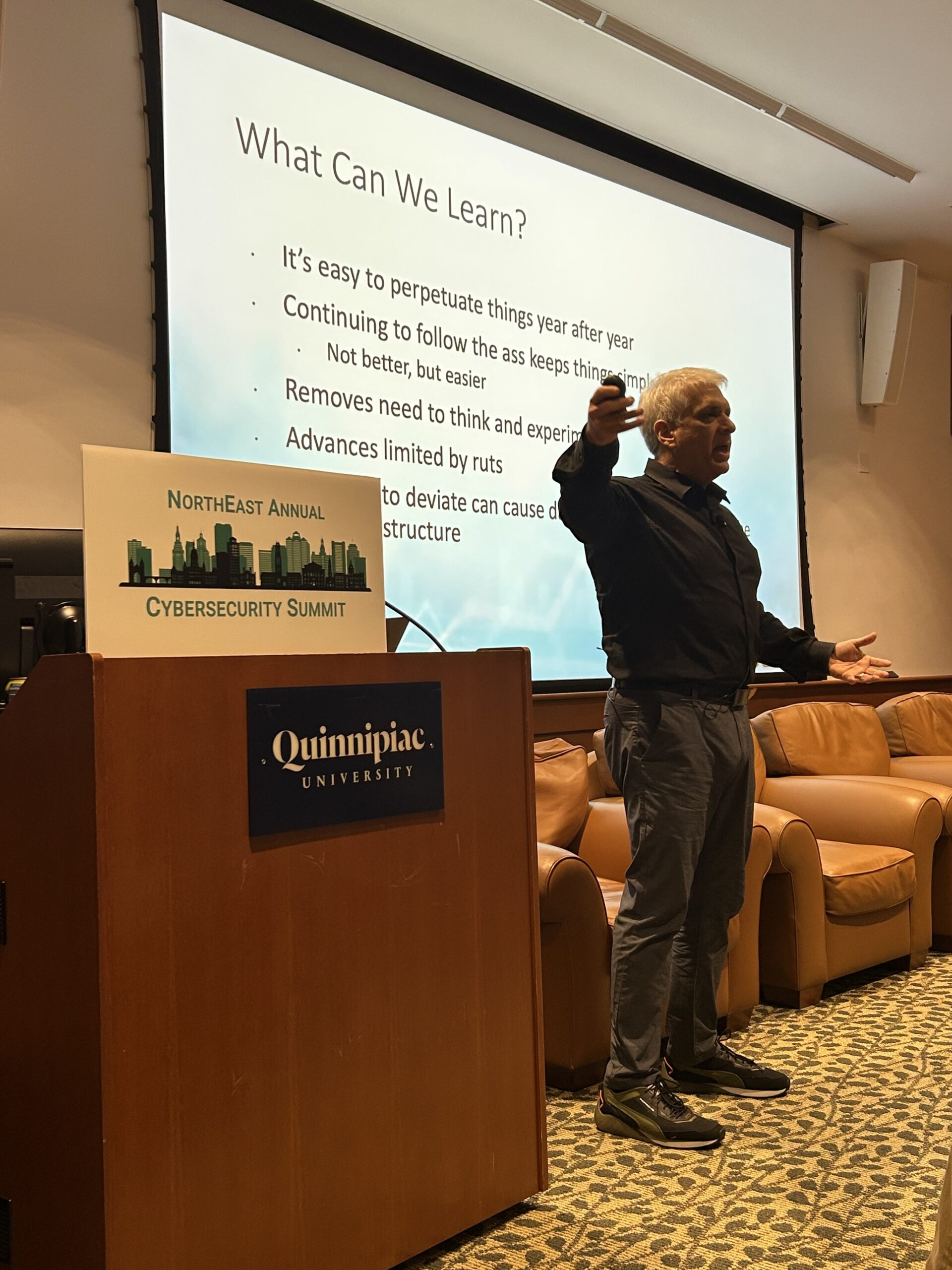
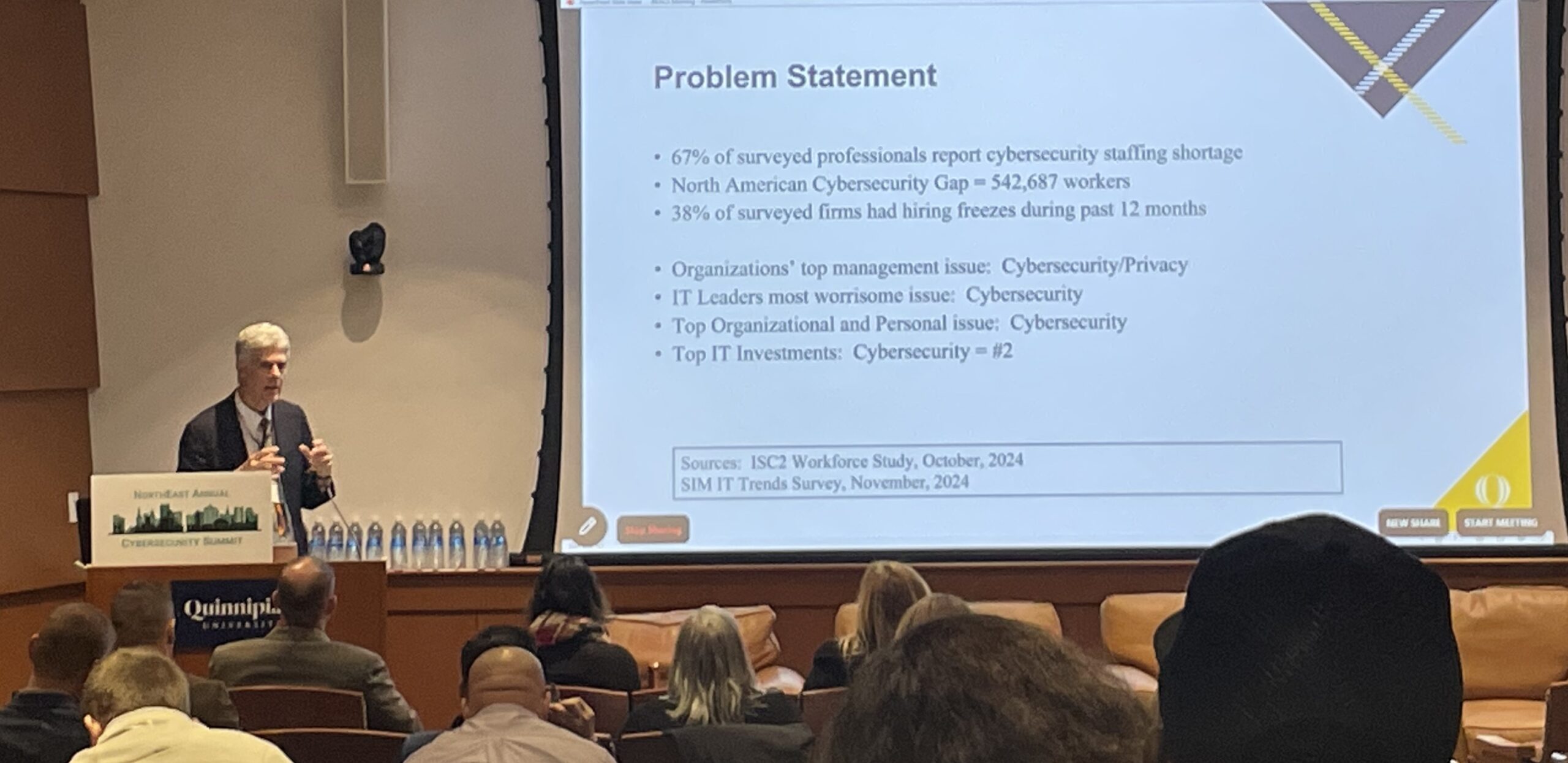
CxO Security Forum began as a response to a common frustration among senior cybersecurity leaders: the way enterprise solutions are marketed, sold, and evaluated is fundamentally broken. What started as a call for change has grown into a trusted community that puts executive practitioners at the center of the conversation.
We bring together CISOs, CIOs, and senior decision-makers who are responsible for protecting their organizations, guiding strategic risk, and navigating the evolving role of AI in security. Every forum, gathering, and conversation is designed to foster education, mentoring, and authentic peer connection.
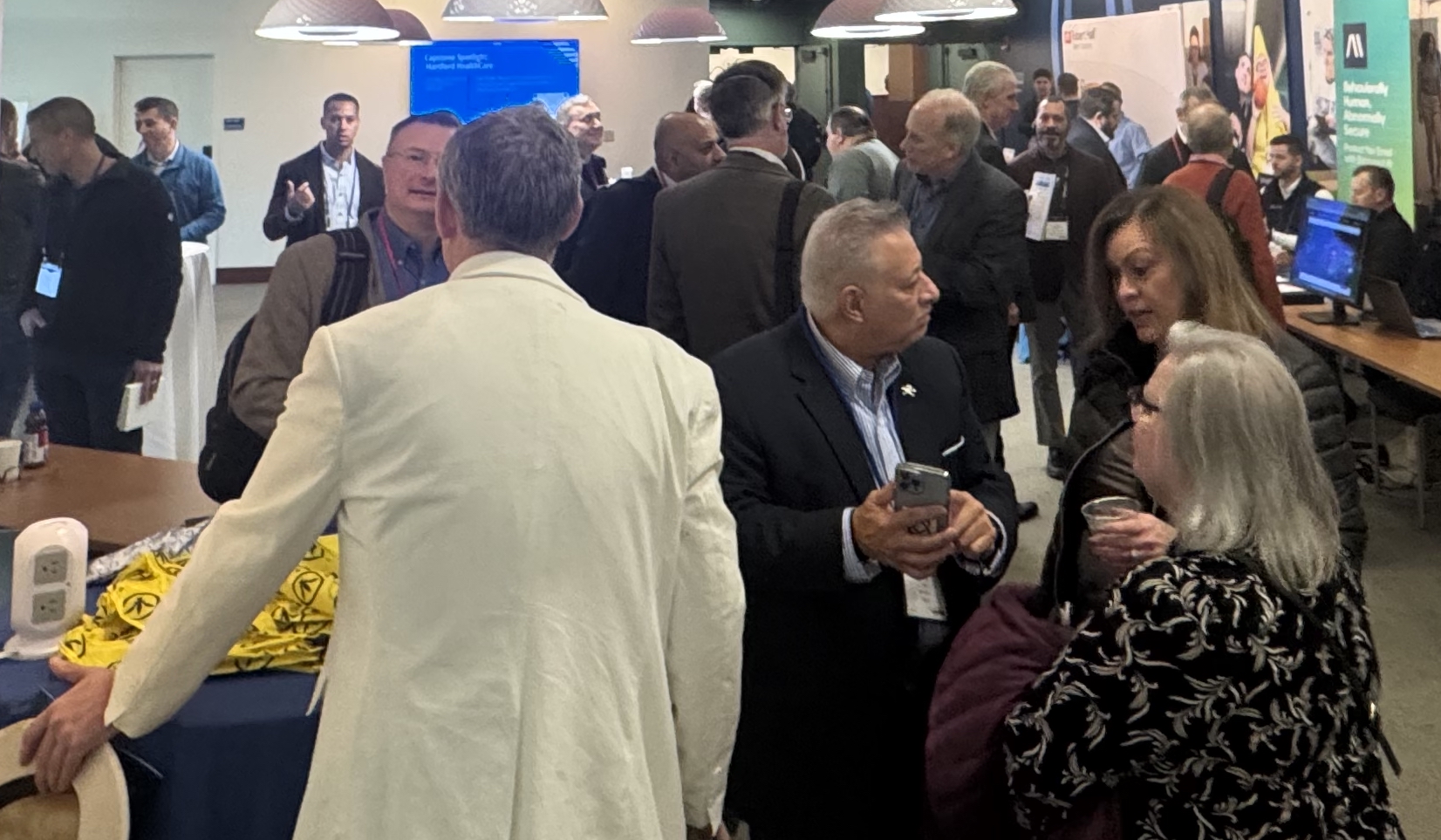
What makes us different is our focus on relationships. Our events are intentionally small, curated, and built for real dialogue. Sponsors are carefully selected, and there are no product pitches. Participants come for thoughtful, actionable conversations that support both professional development and practical decision-making.
At CxO Security Forum, the goal is simple. Give experienced leaders a space to learn from one another, to share insight, and to build meaningful connections that last beyond the event itself.
Location
Venue: Eastern Michigan University, Ypsilanti, MI
900 Oakwood St #370
Ypsilanti, MI 48197

Registration
Registration is open only to qualified executives (excluding Sales, Marketing, and Business Development!)
© 2025 CxO Security Forum. All rights reserved