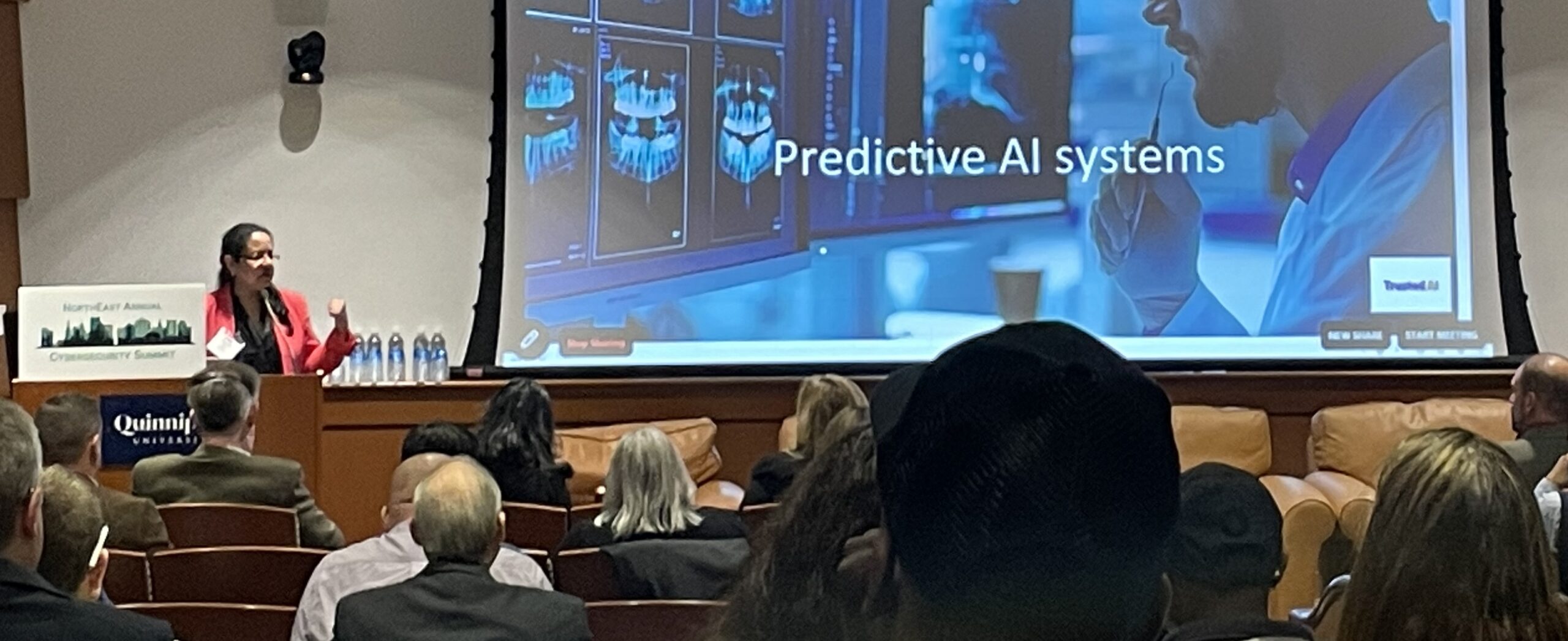
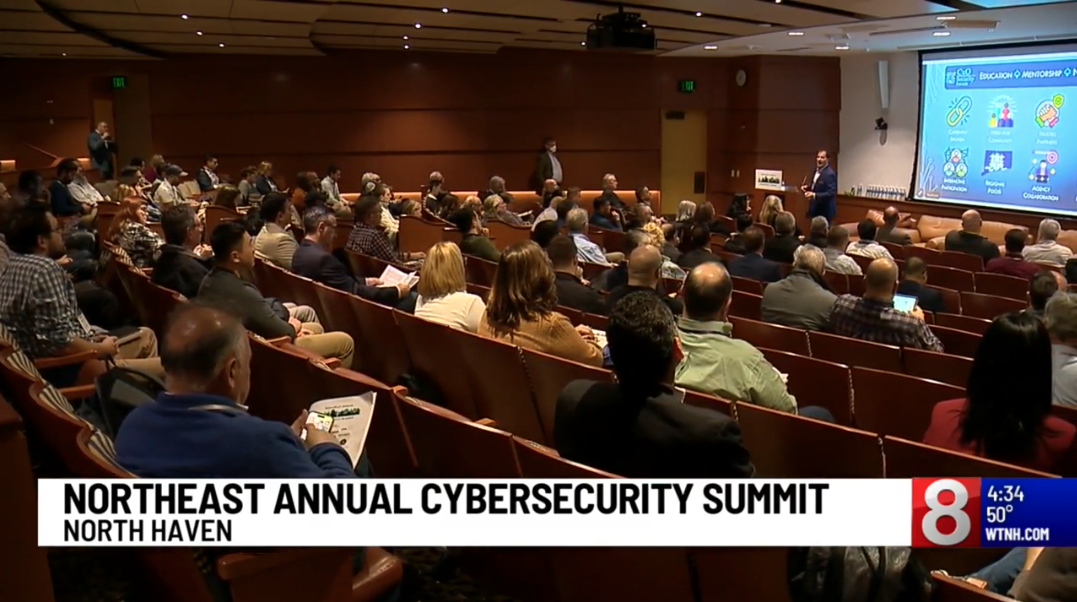
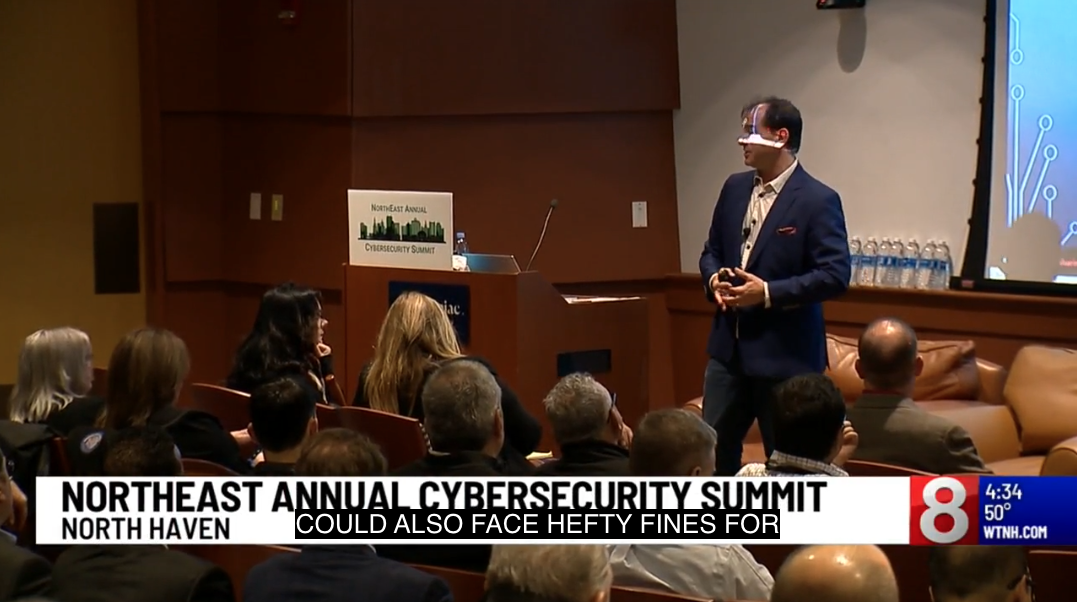
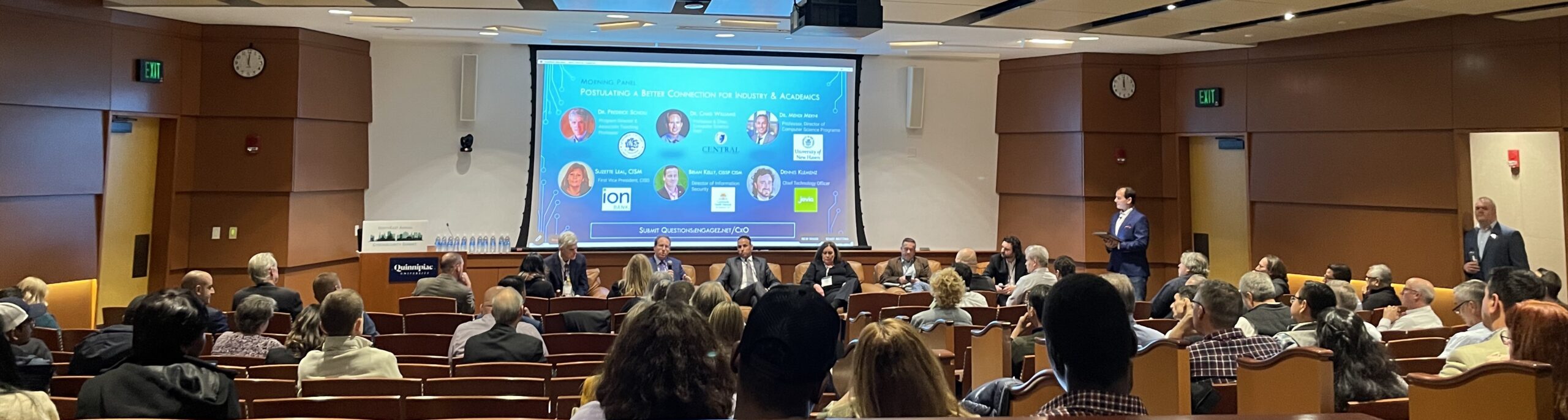
NorthEast Annual Cybersecurity Summit
The Premier Community-Led Cyber Executive Gathering with a 13+ year history in New England
Wednesday 13 January 2027
Days
Hours
Minutes
Seconds
A peer-led forum for CISOs, CIOs, and risk leaders. No pitches—just actionable insights, government collaboration, and trusted networking.
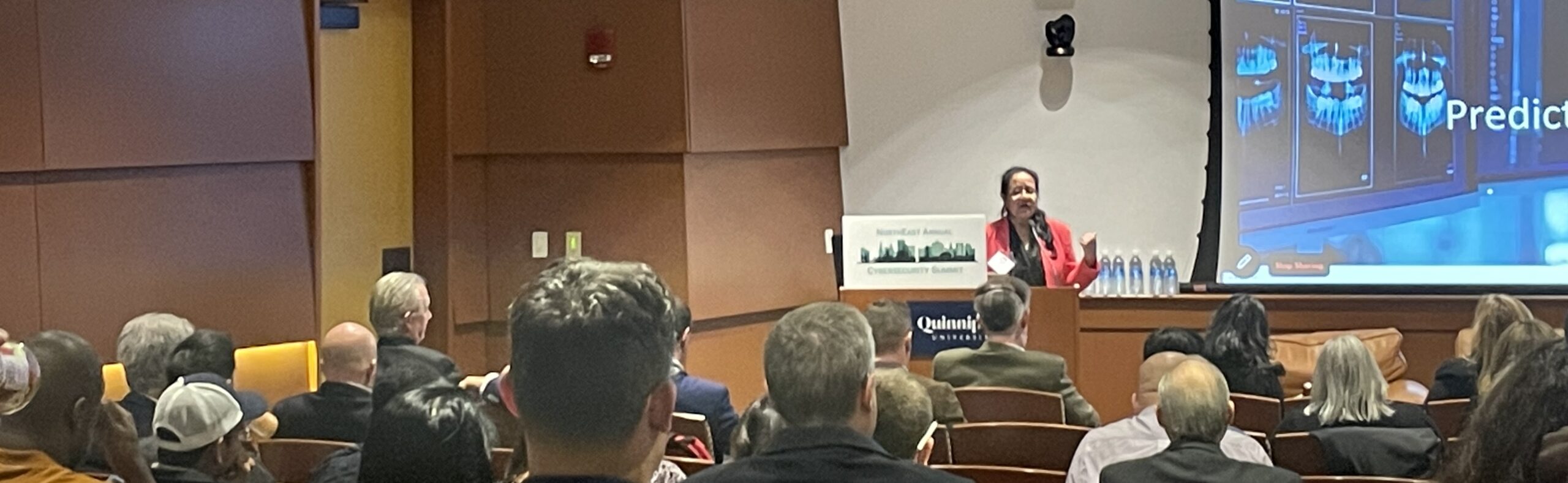
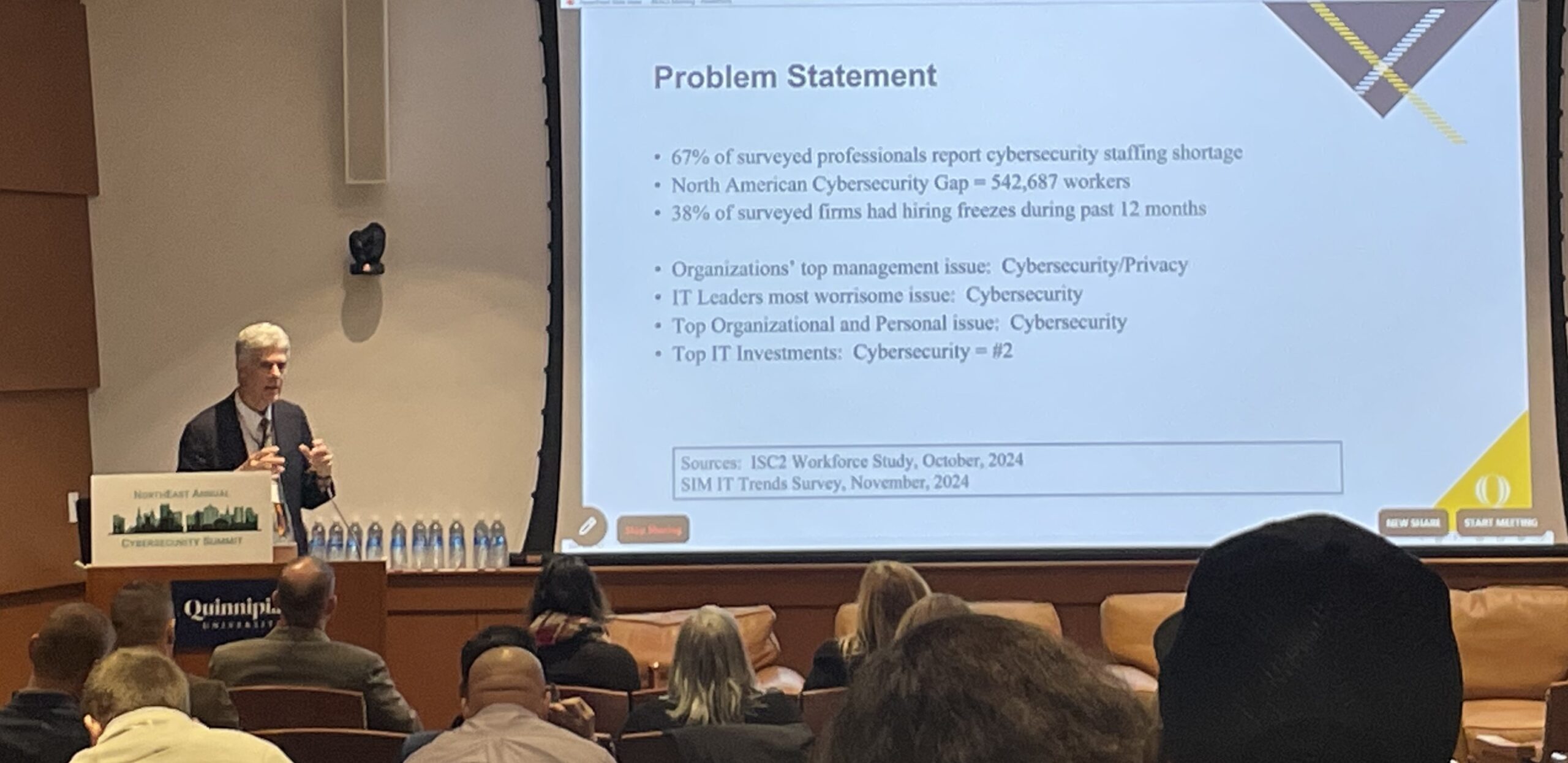
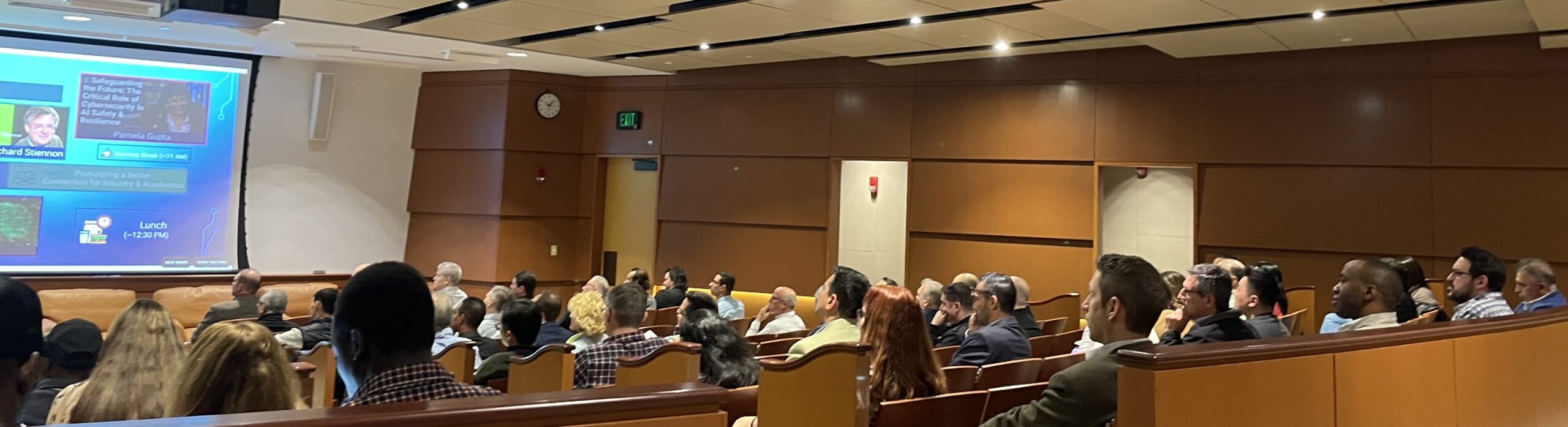
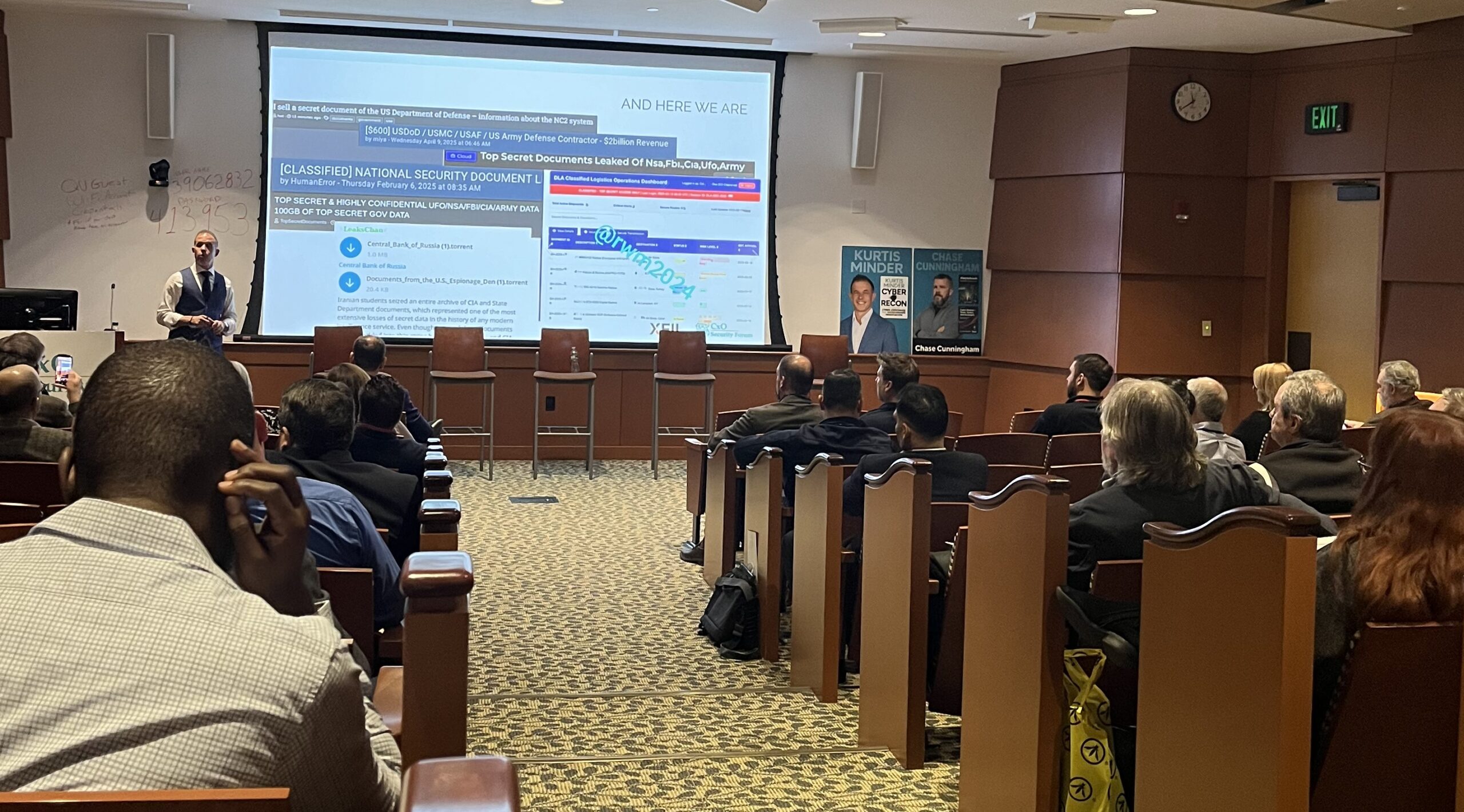
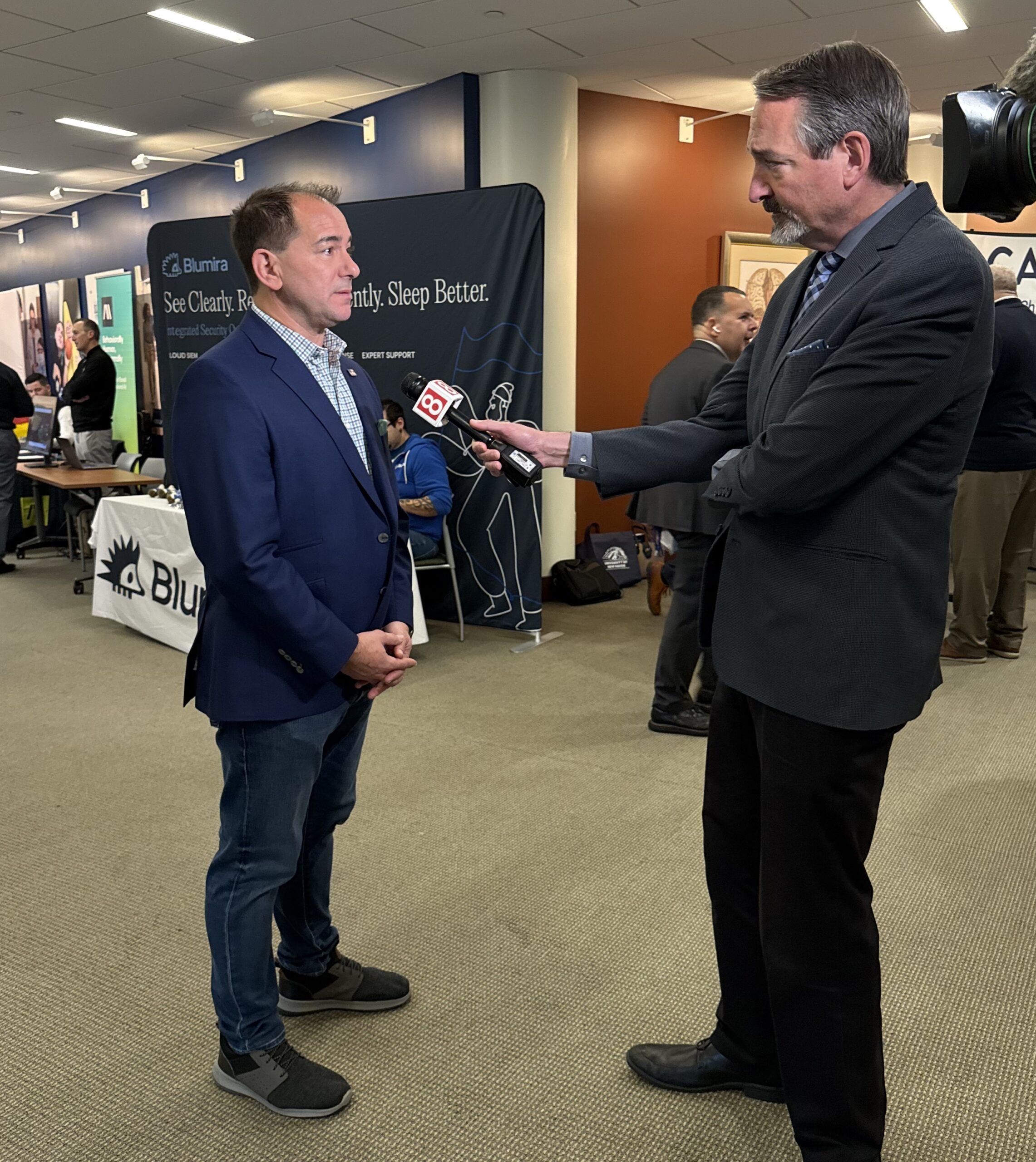
The NorthEast Annual Cybersecurity Summit (NEACS) has a wonderful history in the New England area, with ten years of community-focused gatherings, generally in/around Trumbull, CT. After a brief hiatus, the CxO Security Forum has picked up the effort from the ISC2 Connecticut Chapter and expanded it to include virtually all of the local information security-oriented professional associations, who are generally nonprofit, member-driven organizations with a national or international affiliation.
Moreover, following the CxO Security Forum format, the Summit has a deeper and more expansive focus to feature relevant state and federal government agencies that have a focus on cybersecurity and fraud prevention.
Participants
Hurry! Early registration is just $25
(includes Breakfast, lunch, full conference pass & CPEs!)
Solution Providers
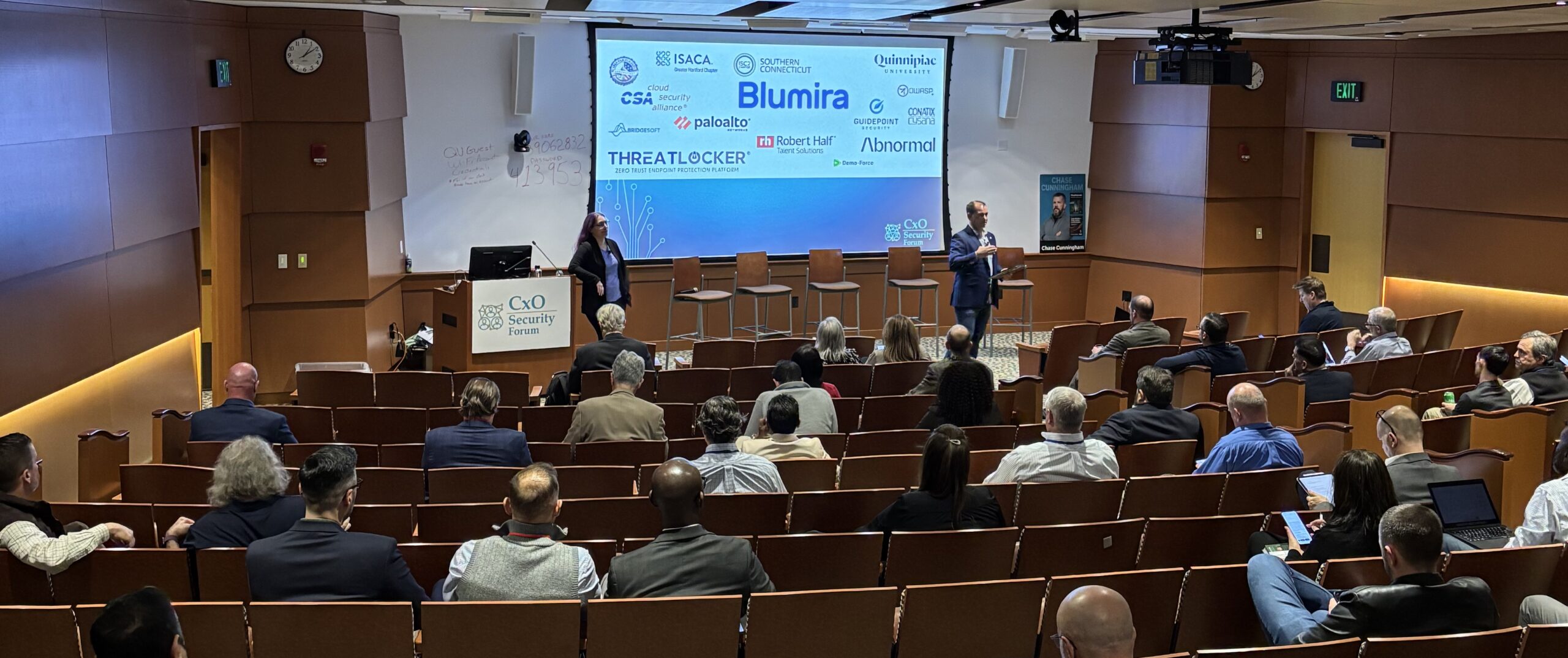
Supporters:
Only 10 non-competitive Solution providers will be invited to sponsor, and must be vetted by the Community.
What to expect
🤖 AI in the Real World — where agentic AI is actually breaking security models (identity, access, governance) vs. where it’s just noise
🔐 Identity, Trust & Zero Trust 2.0 — what actually works when systems (and agents) don’t behave predictably
💸 Cyber as an Economic Event — breaches, fraud, and failure framed in financial and operational impact terms
🕵️ Adversary Tradecraft — ransomware, fraud ecosystems, and how attacks really unfold
🧩 The Broken Pieces — CVE, vulnerability management, third-party risk… what’s not scaling and what might fix it
🧠 Leadership & Decision-Making — board pressure, regulatory realities, and how top operators are navigating uncertainty
Plus:
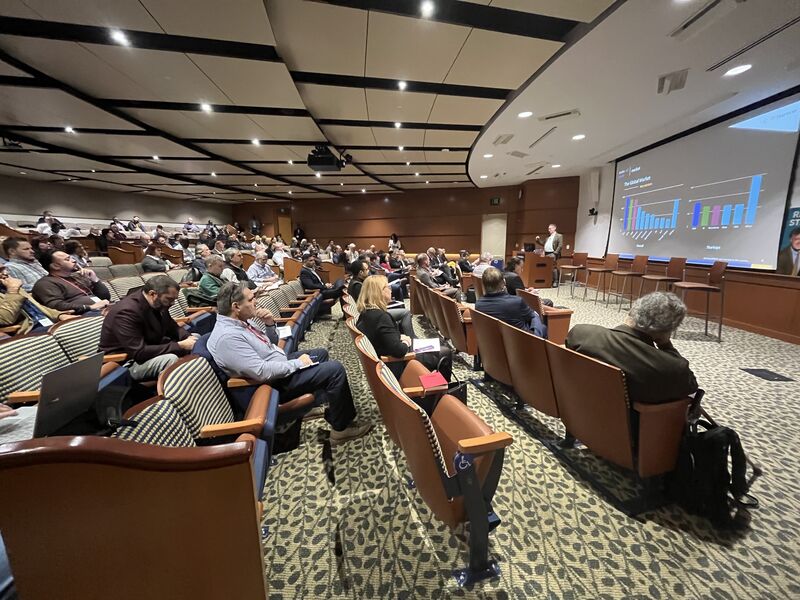
🎤 Keynotes from industry authors, analysts, and global experts
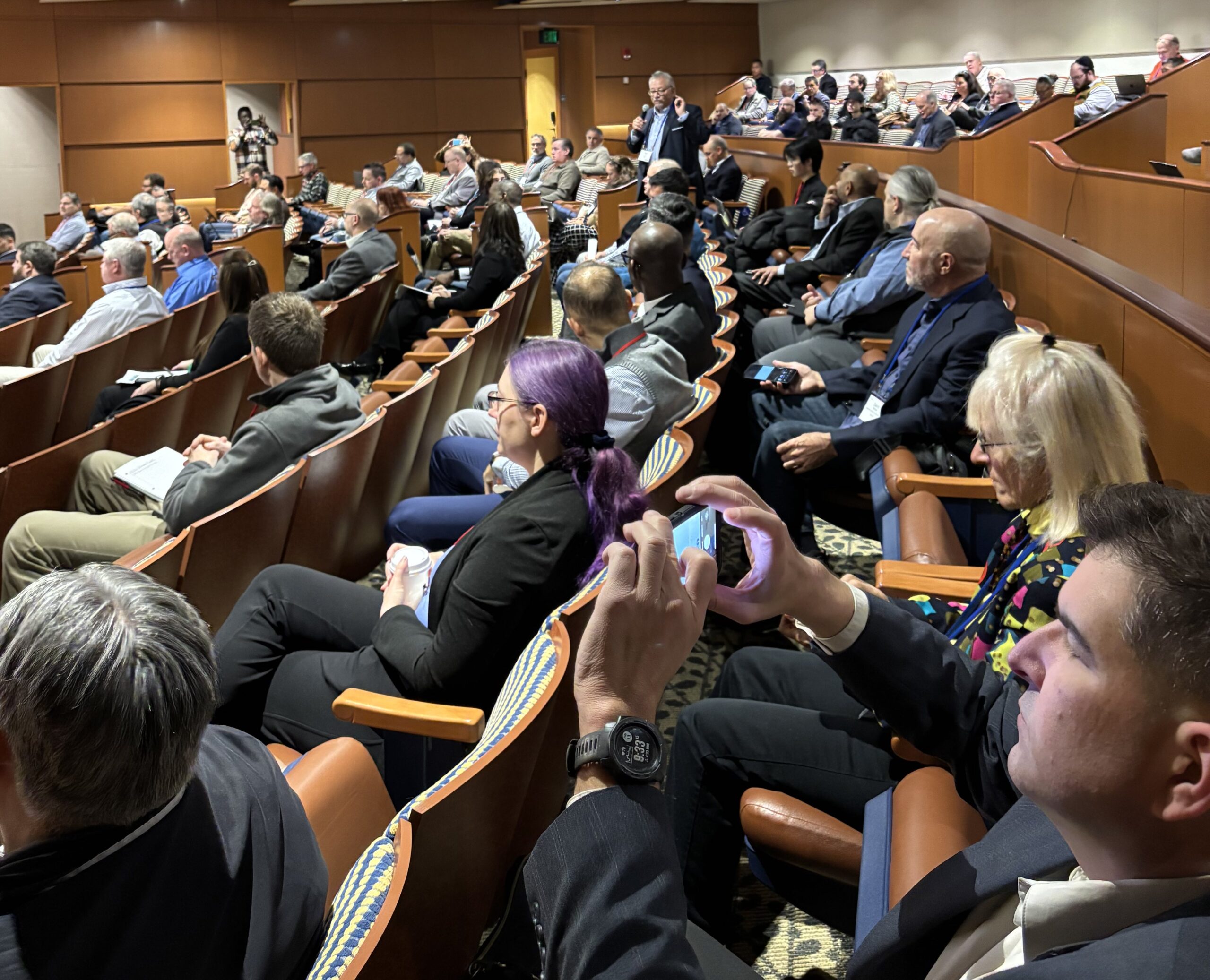
🔄 Moderated discussion pods — real-time audience-driven dialogue
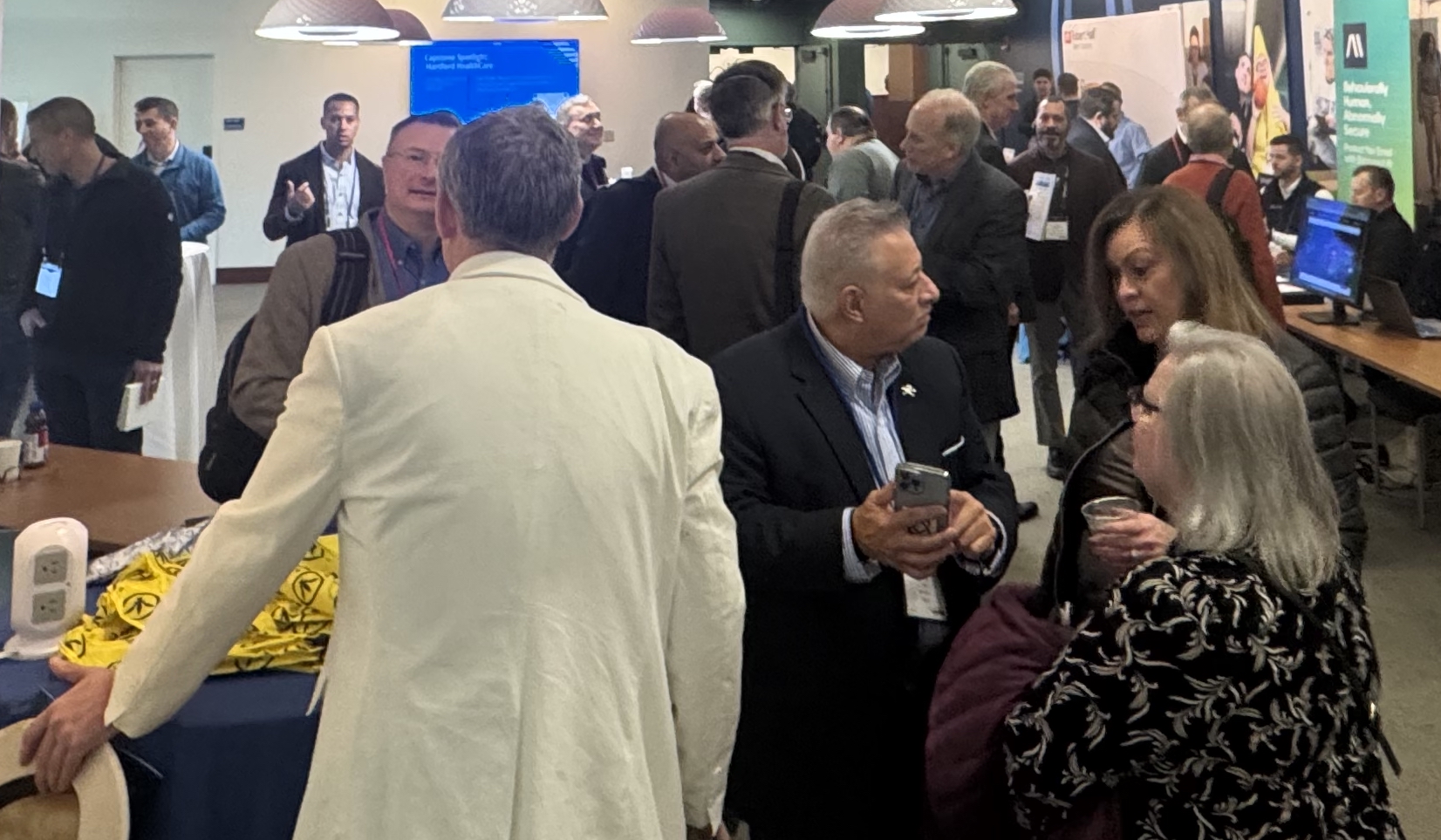
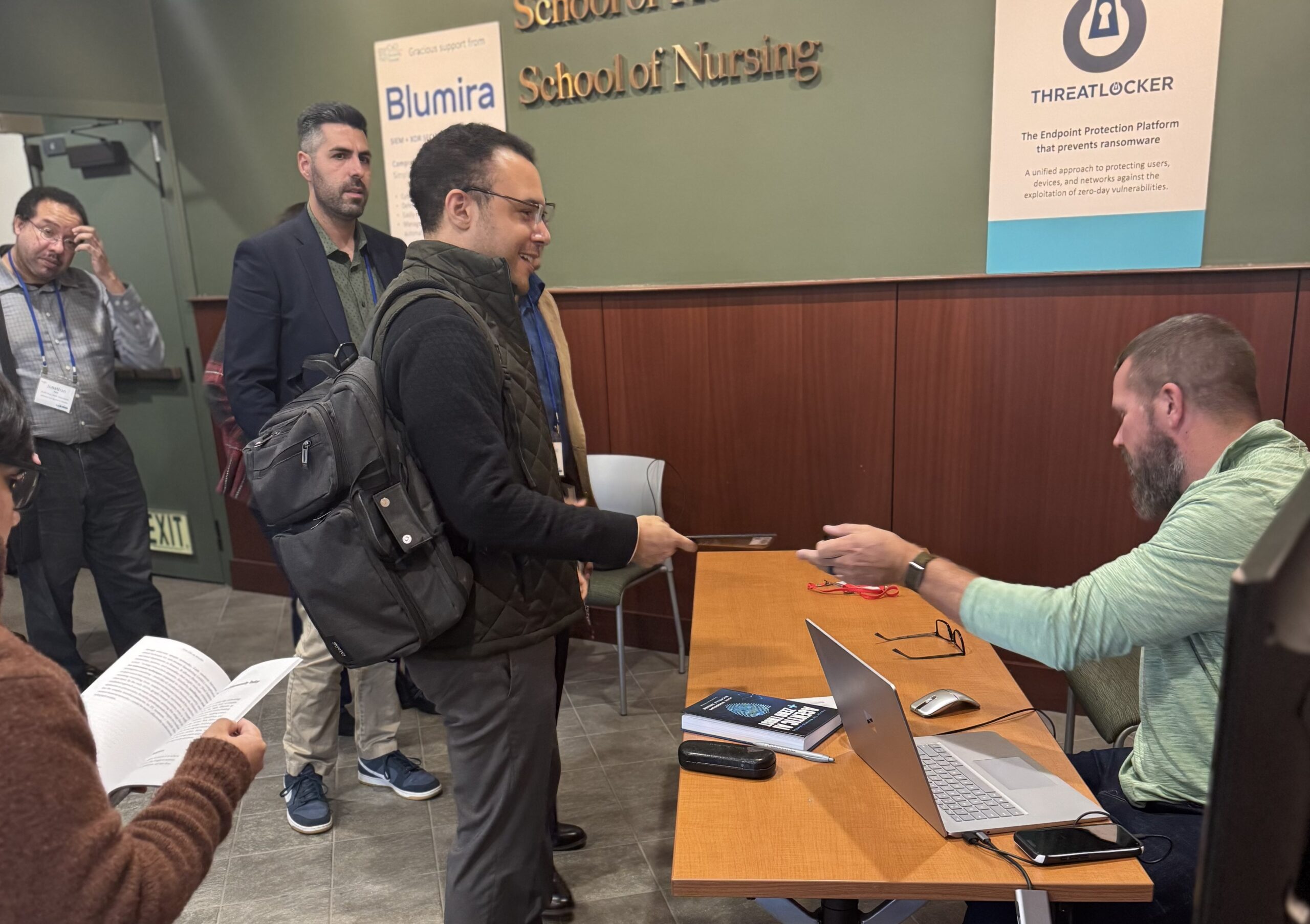
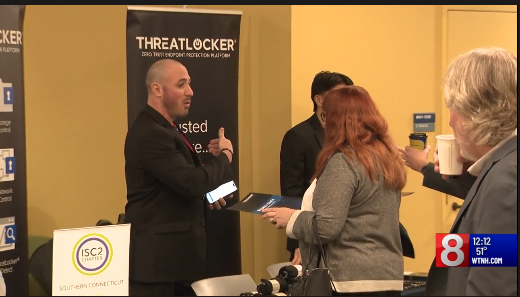
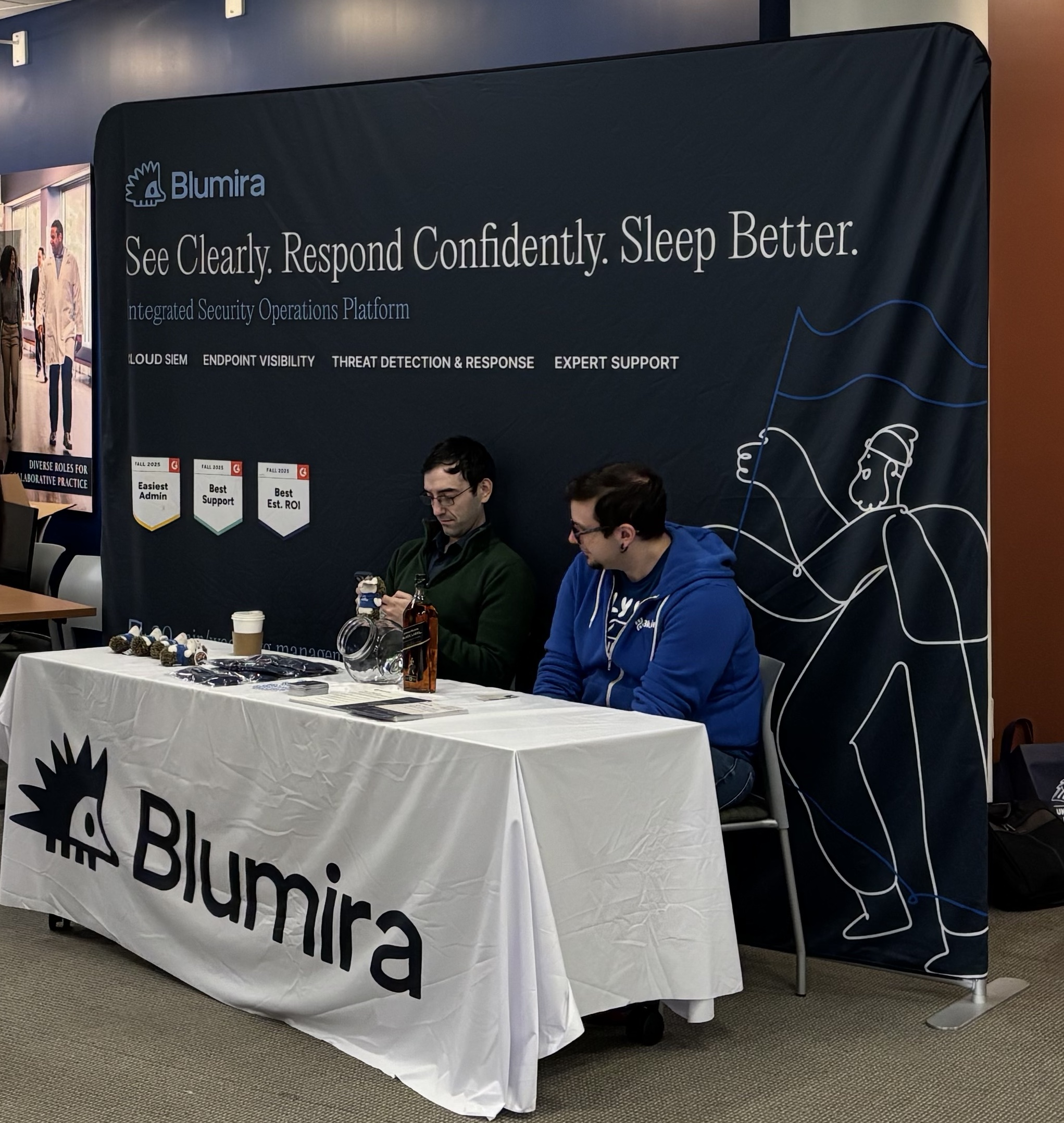
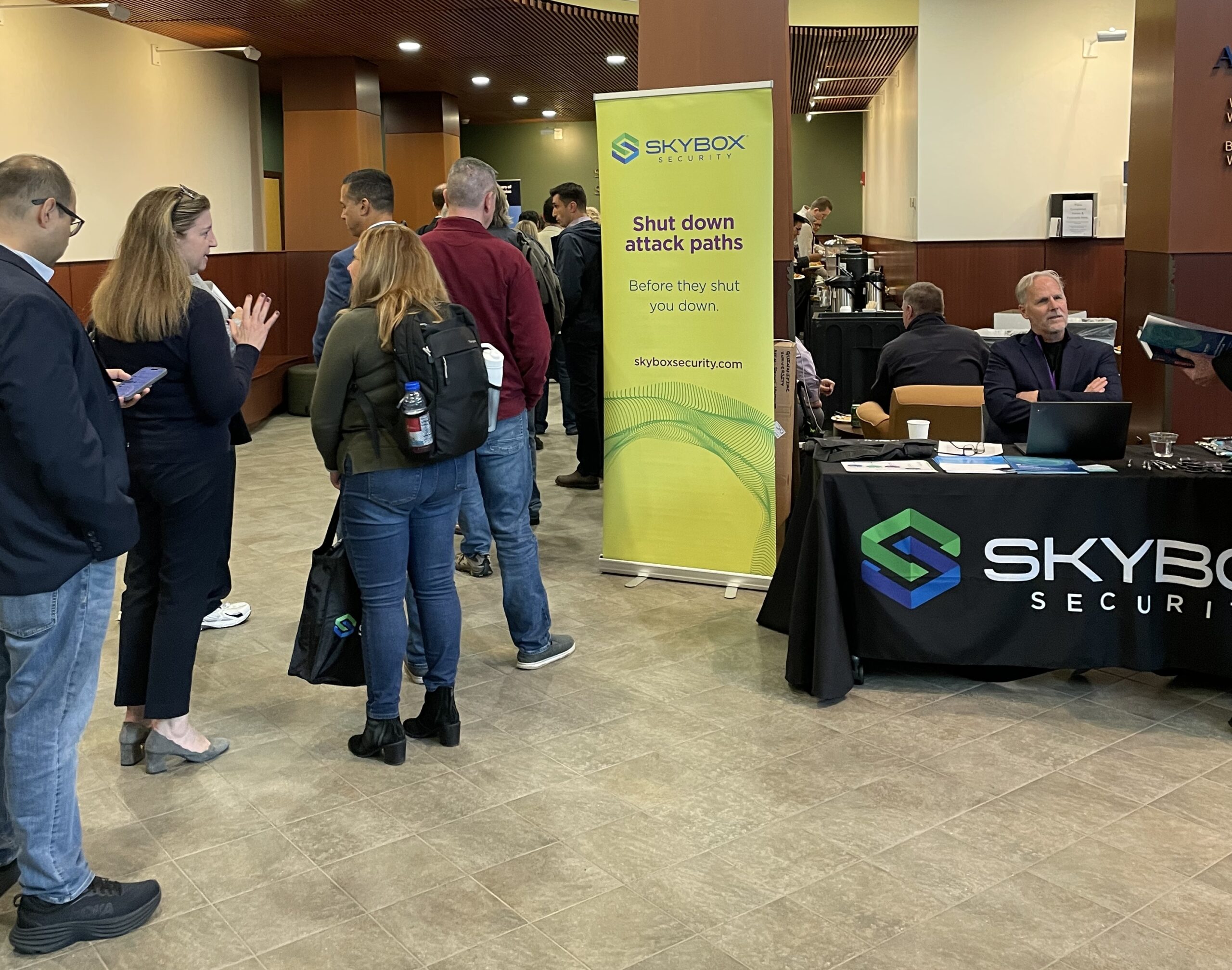
🤝 2+ hours of curated networking with peers and vetted Solution Providers in the Solutions Showcase
2025 Agenda & Summary
You can review the agenda, as well as a summary with detailed notes from last year's NEACS
(click the document icon above)
Agenda
Registration & Networking
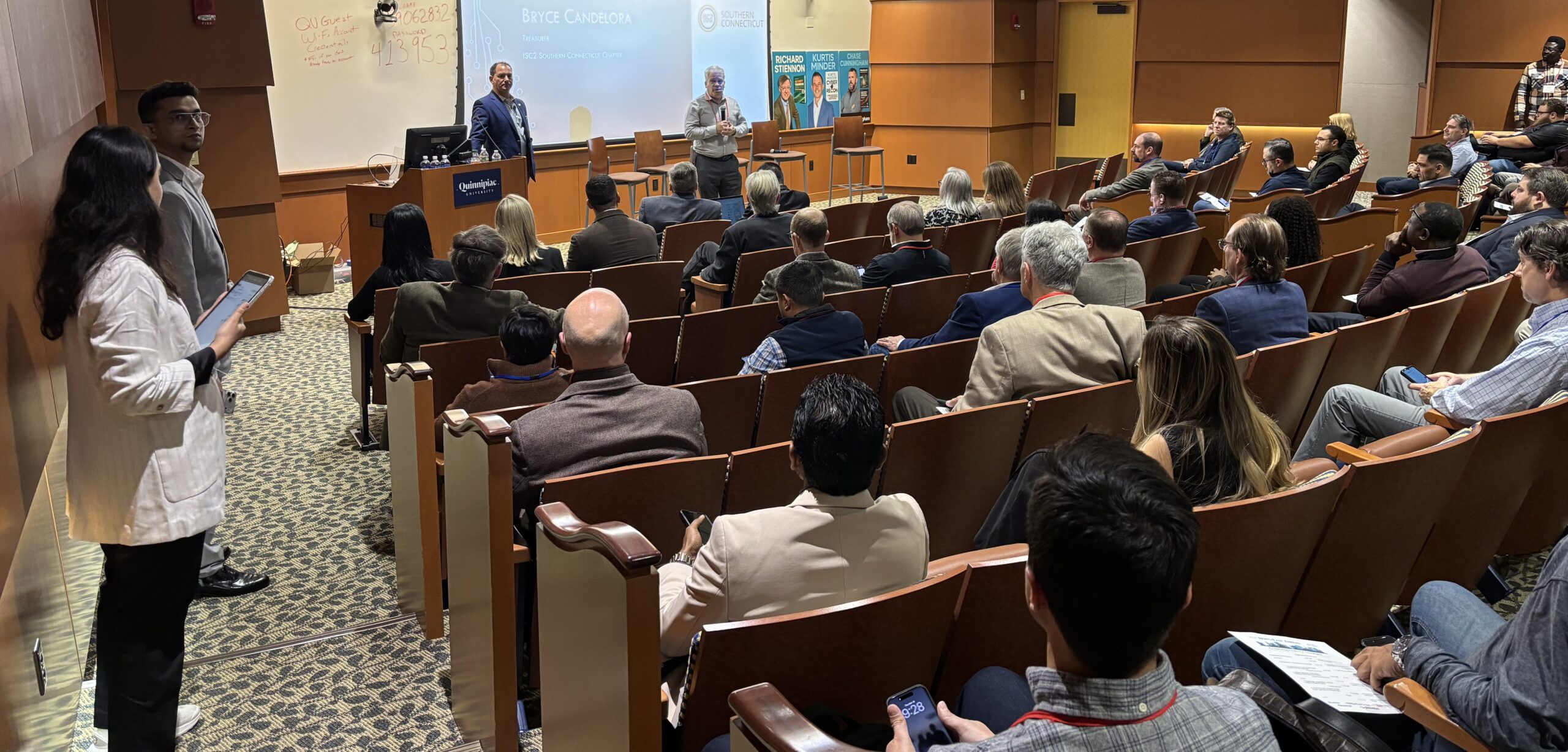
8:30 AMWelcome/Introductions
The Summit is a collaboration point for the many member-driven professional associations across the region. Hear a brief introduction from Board Members of each of those InfoSec & Fraud Associations as we open the agenda
9:20 AM24 Hours inside the President's Bunker [Discussion Pod #1]
Lieutenant Colonel Robert Darling, President and CEO of Flash Emergency Management will kick off the Summit.
On the morning of September 11, 2001, Marine officer Robert J. Darling was pulled into the Presidential Emergency Operations Center (PEOC) beneath the White House and asked to serve as a direct liaison among Vice President Cheney, the National Security Advisor, and the Pentagon—helping coordinate decisions as the attacks unfolded in real time. Few speakers can take audiences inside the room where those choices were made, minute by minute, with the stakes that high. Darling’s path to that moment spans more than two decades of high-risk service. He flew Cobra attack helicopters during Desert Shield/Desert Storm and in Somalia; in 1998 he was selected as a presidential pilot with Marine Helicopter Squadron One (HMX-1); and in 2000 he joined the White House Military Office (Airlift Operations). He retired in 2007 after just over 20 years of active duty. He is the author of 24 Hours Inside the President’s Bunker: 9/11/01: The White House, a first-person account of crisis leadership under extreme pressure that’s become a staple for teams studying decision-making, communication, and interagency coordination. Beyond the book, Darling has taught and briefed at institutions including Harvard University’s John F. Kennedy School of Government and the FBI National Academy on crisis leadership and counterterrorism. He leads Flash Emergency Management-USA, where he trains organizations to build clear command structures, shorten time-to-decision, and communicate across silos when the playbook breaks. He also holds Harvard crisis-leadership certification.
9:45 AMWin the Cyber War with Zero Trust: Stop Buying It. Start Doing It. [Discussion Pod #2]
John Kindervag, Creator of Zero Trust & Chief Evangelist at Illumio
We are all fighting a cyberwar. The question is not whether your organization will be attacked, but whether you are prepared to win.
More than 15 years after John Kindervag introduced Zero Trust, the cybersecurity industry has embraced the terminology, but too often missed the strategy. Zero Trust is not a product, a technology, or another compliance checkbox. It is a fundamental shift in how we defend the data, applications, assets, and services that matter most.
In this provocative keynote, John will challenge conventional security thinking, explain why implicit trust remains the common denominator in successful cyberattacks, and demonstrate how organizations can dramatically reduce their attack surface and limit an adversary's ability to move through their environments.
Drawing on real-world lessons, John will explore his practical five-step methodology for implementing Zero Trust, from defining the Protect Surface and mapping transaction flows to segmentation, policy enforcement, and continuous monitoring. He will also address how these principles apply as AI agents and non-human identities introduce new challenges to traditional security models.
The takeaway: You cannot buy Zero Trust. You have to build it. And winning the cyberwar begins by protecting what matters most, eliminating unnecessary trust, and making every successful intrusion harder to exploit.
10:15AMNetworking & Organized Break
10:45 AMReduce the Probability of Material Impact [Discussion Pod #3]
Using Cybersecurity First Principles to Make Better Risk Decisions
Rick Howard argues that cybersecurity strategy should begin with one irreducible first principle: Reduce the probability of material impact due to a cyber event over a defined period of time.
Cybersecurity leaders are surrounded by frameworks, controls, tools, threat intelligence and an endless stream of urgent priorities. Rick will lead a discussion on using that principle as a practical decision-making filter—not simply as a statement of strategy. Drawing from Cybersecurity First Principles, major cyber incidents and three decades of leadership across military, intelligence, technology and industry, he will challenge several commonly accepted assumptions about how security programs are built and measured.
Participants will explore how to:
- Distinguish meaningful risk reduction from activity that merely creates the appearance of progress
- Connect cybersecurity and fraud decisions to the potential material impact on the organization
- Prioritize limited people, time and budget against the actions most likely to reduce risk
- Use resilience, zero trust, intelligence and risk forecasting as components of one coherent strategy
- Explain cybersecurity priorities to boards and business leaders in language grounded in probability, impact and time
In this talk and the moderated discussion that follows, Rick will leave participants with a practical question they can take back to their organizations: Does this action measurably reduce the probability of material impact—and, if not, why are we doing it?
11:15 AM"We’re From the Government, and We’re Here to Help”: Cybersecurity & Government Agencies - Leading the Fight! [Discussion Pod #4]
In this talk, government agency leaders will share how they approach coordinated threat disruption, interagency collaboration, and executive-level response to cyber-enabled crimes.
When cybercrime intersects with national security, terrorism, cross-boarder issues, or financial stability, the US Secret Service, Department of Homeland Security, FBI and state fusion center (CTIC) step in—not just with investigations, but with leadership. Drawing from real-world cases—ranging from cryptocurrency scams to insider threats—the panel will outline lessons learned for private-sector leaders.
What does it take to lead under pressure, across jurisdictions, and in defense of critical assets? In this fast-moving session, participants will get practical takeaways on how to elevate their cyber leadership posture—and why the most effective defenders think like protectors, not just responders.
11:45 AMLunch & Solution Showcase Networking Discussions
Participants will enjoy a lovely full hot lunch while connecting with the thoughtful Solution Providers who are supporting the community at the Summit!
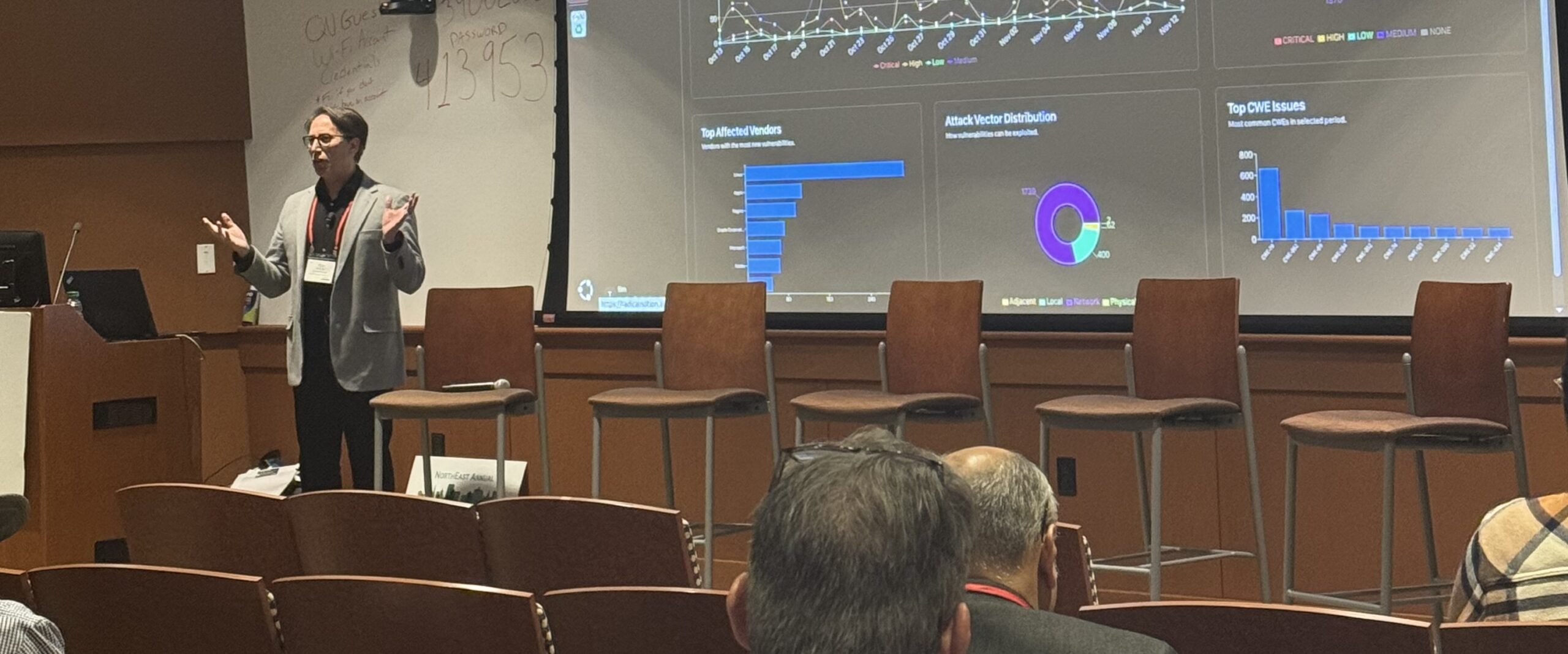
12:15 PMNon-humans evolved but they are still non-humans [Discussion Pod #5]
A practical approach to managing our new friends by applying what we know about their siblings: algorithms, services and applications.
AI agents are entering the enterprise with access to tools, internal systems and sensitive data—often operating under the credentials of the people using them. When the activity looks like the employee, how does security distinguish what the human did from what the agent did?
Tim Rohrbaugh, founder of RadicalNotion.AI and former CISO of JetBlue Airways, brings a practical perspective: we have managed non-human accounts for decades, and those foundations still apply. What has changed is predictability. Unlike traditional applications executing predefined rules, agents infer, adapt and take actions that can vary even when the instructions remain the same.
In this interactive discussion, Tim will explore how to extend familiar security practices to AI agents: separate their identities from human accounts, provision only the access they need, establish a controlled path from experimentation to production, and adapt monitoring to less predictable behavior. Drawing on his own work with AI tools and models, he will challenge participants to consider what they can implement now—and how to make those controls workable for the people adopting AI across the business.
1:00 PMFrom Cyber Risk to Business Resilience: Leading Through Uncertainty [Discussion Pod #6]
Cybersecurity is no longer simply a technology challenge—it is a leadership, governance, and business resilience imperative. Drawing on more than three decades of experience spanning military cyber operations, government, global enterprises, and executive advisory roles, J. Carlos Vega explores how organizations can move beyond technical defenses to build a more strategic, resilient approach to cybersecurity.
As the Army’s first Cyber Operations Colonel and a co-founder of the Army Cyber Institute, JC Vega helped shape how large institutions organize, govern, and execute cyber operations. Today, he works with boards and executive teams to translate complex cyber risks into business decisions, align security priorities with organizational objectives, and prepare leaders to navigate disruption.
This presentation examines how executives can strengthen cyber governance, improve decision-making under uncertainty, and build the organizational capabilities needed to adapt when cyber risk becomes business risk.
1:30 PMNine Seconds: What an AI Agent Costs Before Anyone Can Stop It [Discussion Pod #7]
Josh Woodruff, a long-time advisor in the industry, examines an AI agent that deleted a company's production database and its backups in nine seconds. No attacker was involved. At a global financial firm, a ledger agent hit one bad value and made more than 15,000 API calls in under an hour. Databases locked and live transactions stopped. Each agent used access it already had.
Many plans count on someone noticing and hitting stop. At these speeds, nobody gets there in time.
This talk prices agent failure the way a CFO would, then works back to what stops it. You'll leave with four things: a way to price an agent's worst hour, a never list for actions you can't undo, a limit on each agent's freedom based on what it can break, and one page for your leadership team. It draws on 95 advisory calls with security leaders this year and on the incidents that have gone public since April.
2:00 PMNetworking & Organized Break
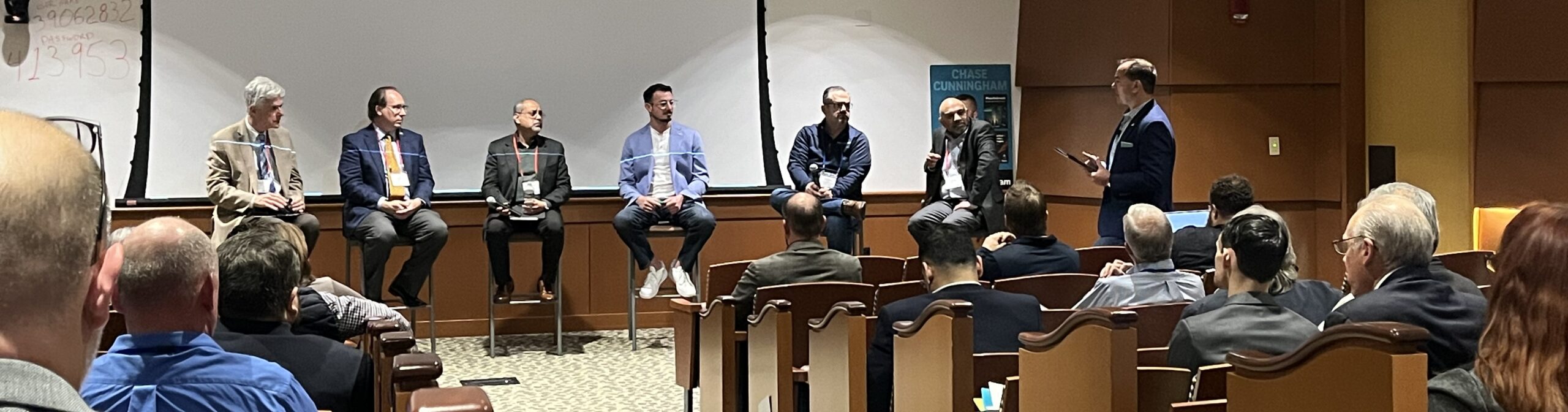
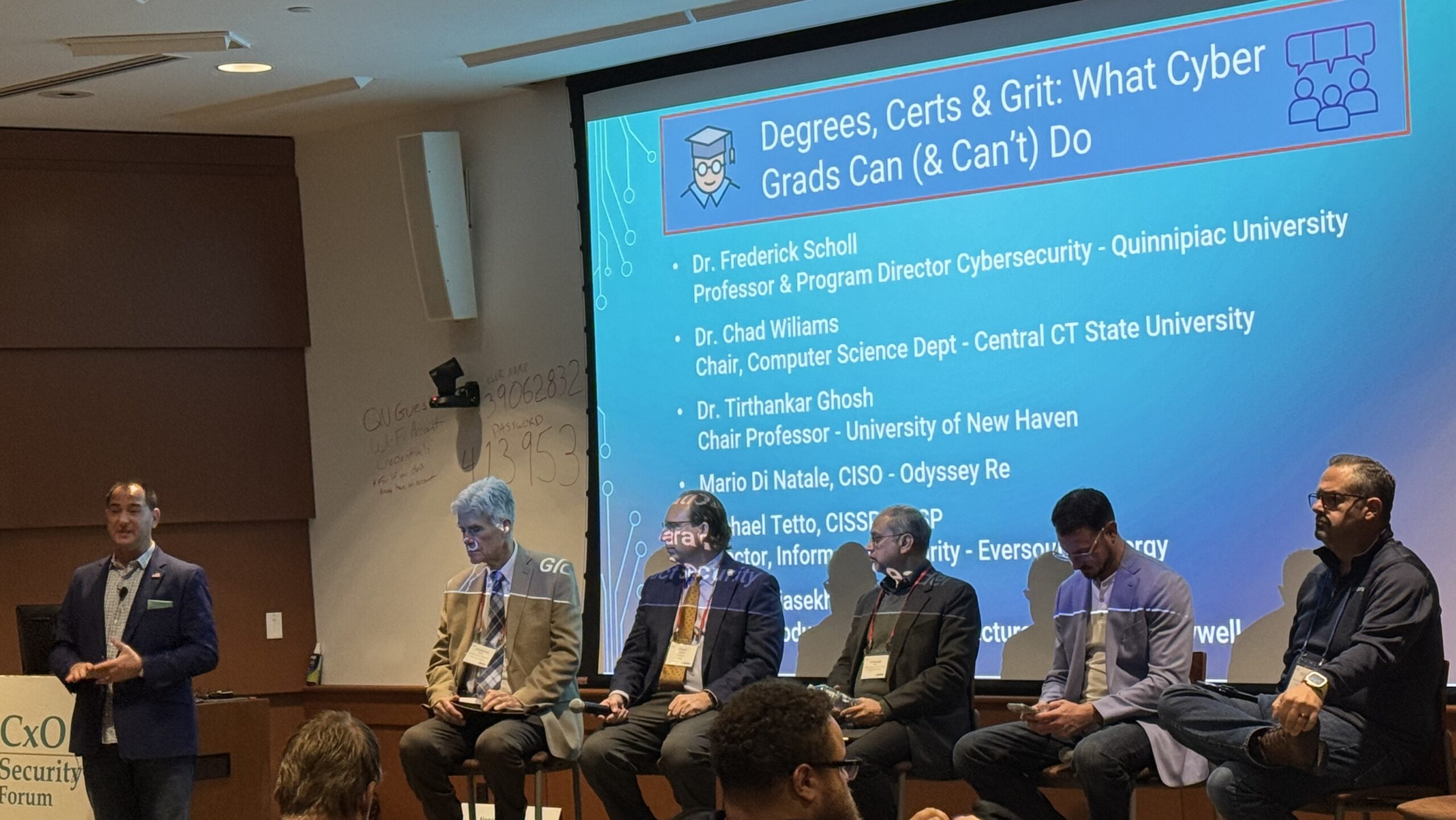
2:30 PMDegrees, Certs & Entry-Level Grit: What Cyber Grads Can (& Can’t) Do For You
[Panel]
This panel discussion features a real-world exchange between cyber educators and industry leaders. Professors will share how they’re designing programs with hands-on labs, industry-funded projects, and even high school hackathons. CISOs and CTOs will weigh in on the “last-mile” problem: grads with zero experience, mismatched expectations, and a professionalism gap that’s hard to ignore.
With over 700,000 unfilled cybersecurity jobs in the U.S., you’d think the hiring problem would solve itself. But here’s the rub: cybersecurity programs are churning out grads, and CISOs still ask, “What can they actually do on day one?” Are they SOC-ready? Do they understand fraud prevention, governance, compliance—or even what cybersecurity is?
We’ll dig into big questions:
- Are four-year degrees still the gold standard—or are certs and bootcamps the smarter play for mid-career upskilling?
- How do you hire interns and set expectations when “everyone is busy”?
- What can companies do (without breaking budgets) to actually shape the talent pipeline?
- And how can we close the generation gap without lowering the bar?
Come for the honest dialogue, stay for the practical takeaways—and leave with a few ideas for fixing a system that isn’t working for educators, employers, or students.
3:00 PMThe Next Mission: Turning Insight Into Impact [Discussion Pod #8]
In Closing - We’ve heard from the spies and the scientists. The agents and the analysts. The CEOs, strategists, and storytellers. Now, as we close the Summit, we return to the reason we came together in the first place: to make a difference.
In this final session, we’ll recap the boldest ideas, sharpest warnings, and most actionable takeaways shared throughout the day—from ransomware negotiation tradecraft to the market forces behind cyber failures, from AI-fueled attacks to law enforcement collaboration models that actually work.
But more than a summary, this is a call to action. Whether you’re protecting a regional bank, a global enterprise, or your local community college’s network, the mission is the same: build trust, verify identity, out-think the adversary—and never go it alone.
Join us to reflect, reconnect, and recharge for what comes next. Because the future of cybersecurity and fraud prevention isn’t just about staying ahead of threats—it’s about leading with purpose, and leaving with a plan.
3:30 PMClosing Discussion & Networking
Stay & Connect: Informal Networking + Solution Showcase
Before hitting the road, grab a coffee and take time to connect. Trade insights with peers, chat with Solution Providers, and follow up on the ideas sparked throughout the day.
No panels, no pitches—just real conversations to wrap things up right.
4:00 PM(After your request is approved, you will receive a confirmation email & calendar invite)
Stay informed about the upcoming CxO Security Forums.
Subscribers receive early access to the full agenda, speaker lineup, and venue details, along with reminders about key dates and networking opportunities.
Event communications are concise, relevant, and tailored to support your planning. Signing up ensures you have the information you need to make the most of your forum experience from the moment the doors open.
Forum Discussion Leaders
[Past, Present & Future]
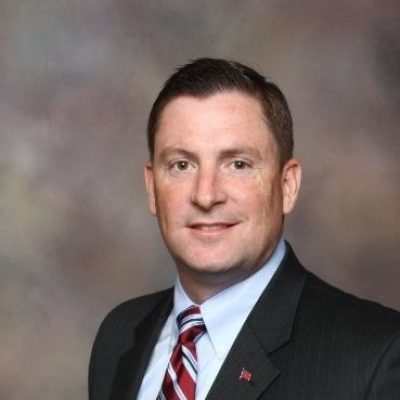
Robert Darling
President and CEO
Flash Emergency Management
Experienced corporate executive with a demonstrated history of working with government and C-Suite executives on crisis leadership, corporate readiness, and business continuity planning, training, and crisis communications. Public speaker on the events of 9/11 from inside the White House bunker and seminar on "Leading in Times of Uncertainty." Author of 24 Hours Inside President's Bunker; 9/11/01: The White House. Developed Flash-AI to generate fast, compliant, relevant and actionable business continuity plans. Developed FLASH-RTC so workforces can communicate and collaborate on their continuity plans in a secure VOIP environment, outside the purview of cyber intrusions. This "out of band" communication and collaboration tool allows business leaders take the necessary steps to protect their people and successfully lead their organizations through the critical event.
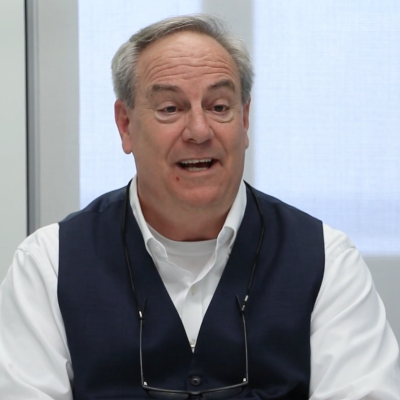
Rick Howard
Author, Cybersecurity First Principles
Co-Founder and CEO, Cybercanon Project
Rick Howard is a cybersecurity executive, author, educator and strategist whose career spans more than three decades across military service, intelligence, technology, media and executive leadership.
He is the co-founder and CEO of the Cybercanon Project, an all-volunteer nonprofit dedicated to identifying, preserving and promoting the essential books and ideas that have shaped the cybersecurity profession. Through the work of its volunteer community, the project seeks to become the industry’s trusted source for curated, enduring cybersecurity knowledge.
Rick is the author of Cybersecurity First Principles: A Reboot of Strategy and Tactics, which challenges security leaders to move beyond disconnected tools, trends and conventional “best practices” and instead build their programs around a clearly defined set of foundational principles. Drawing on cybersecurity history, major incidents and practical risk analysis, Rick offers a strategic framework for determining which security actions will have the greatest impact.
Over the course of his career, Rick has served as Chief Security Officer of Palo Alto Networks, Chief Security Officer and podcast host at The CyberWire, CISO of TASC, General Manager of VeriSign’s iDefense intelligence service and Global SOC Director at Counterpane. Earlier in his career, he served as Chief of the U.S. Army Computer Emergency Response Team, coordinating defensive operations, intelligence and response activities across the Army’s global network.
He was also among the founding organizers of the Cyber Threat Alliance and currently advises organizations including Tidal Cyber, the Center for Internet Security and Resilience.
Rick holds a Master of Computer Science from the Naval Postgraduate School and an engineering degree from the United States Military Academy. He taught computer science at West Point and currently serves as a seminar instructor in Carnegie Mellon University’s CISO Executive Program, where he teaches cybersecurity first principles.
As a CxO Security Forum Special Keynote Discussion Leader, Rick will challenge participants to reconsider some of the profession’s most widely accepted assumptions—and explore how first-principles thinking can help leaders simplify strategy, forecast risk and focus limited resources on the actions that matter most.

Josh Woodruff
Author, Agentic AI + Zero Trust: A Guide for Business Leaders
IANS Faculty | CSA Zero Trust Working Groups
Josh Woodruff is the author of Agentic AI + Zero Trust: A Guide for Business Leaders, a practical framework for safely operationalizing autonomous AI using Zero Trust principles. Drawing on nearly 30 years of experience as both a CIO and CISO, Josh translates real-world enterprise deployments into clear executive guidance on trust, governance, and risk in agentic systems.
The book—co-authored with Michelle Savage and featuring a foreword by Zero Trust pioneer John Kindervag—cuts through AI hype to explain why most AI initiatives stall in pilot mode, and what successful organizations do differently. Josh is also the Founder and CEO of Massive Scale Consulting, co-leads the Cloud Security Alliance Zero Trust Working Group, and serves as IANS Faculty, advising enterprises across regulated and high-risk industries.
Known for his ability to frame complex AI and security challenges in plain executive language, Josh focuses on helping leaders design guardrails that accelerate innovation without sacrificing control, accountability, or resilience.
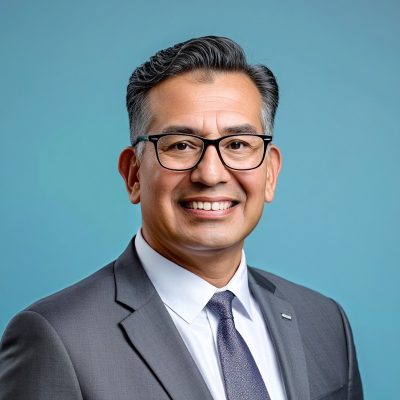
JC Vega
Founder & Principal
Executive Security Advisors
J. Carlos Vega is a retired US Army Colonel and cybersecurity executive with over three decades of experience at the intersection of technology, risk, and leadership. As the Army’s first Cyber Operations Colonel, he helped establish the Army’s cyber branch and shape how large institutions organize and govern cyber operations. He is a Co-founder of the Army Cyber Institute and served as a cyber instructor at the United States Military Academy at West Point. JC has held CISO, CIO, and strategic advisory roles across government, startups, and global enterprises. Known for translating cyber risk into board-level decisions and Founder of Executive Security Advisors, he works with boards and executive teams navigating growth, disruption, and moments when cyber risk becomes business risk.
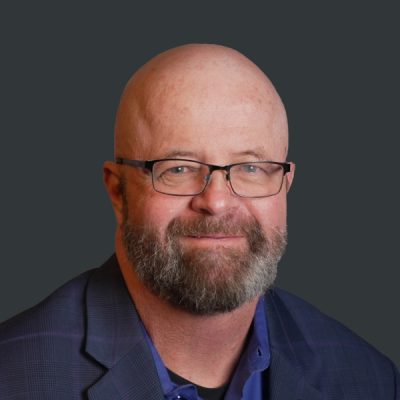
John Kindervag
Creator of Zero Trust
Chief Evangelist at Illumio
John Kindervag is considered one of the world’s foremost cybersecurity experts. With over 25 years of
experience as a practitioner and industry analyst, he is best known for creating the revolutionary Zero Trust Model of Cybersecurity. As Chief Evangelist at Illumio, John Kindervag is responsible for
accelerating awareness and adoption of Zero Trust Segmentation.
Most recently, John led cybersecurity strategy as a Senior Vice President at On2IT. He previously served as Field CTO at Palo Alto Networks and, before that, spent over eight years as a Vice President and
Principal Analyst on the security and risk team at Forrester Research.
In 2021, John was named to the President’s National Security Telecommunications Advisory Committee
(NSTAC) Zero Trust Sub-Committee and was a primary author of the NSATC Zero Trust report that was
delivered to the President. That same year, he was also named CISO Magazine’s Cybersecurity Person of
the Year. John serves as an advisor to several organizations, including the Cloud Security Alliance and
Venture Capital firm NightDragon.

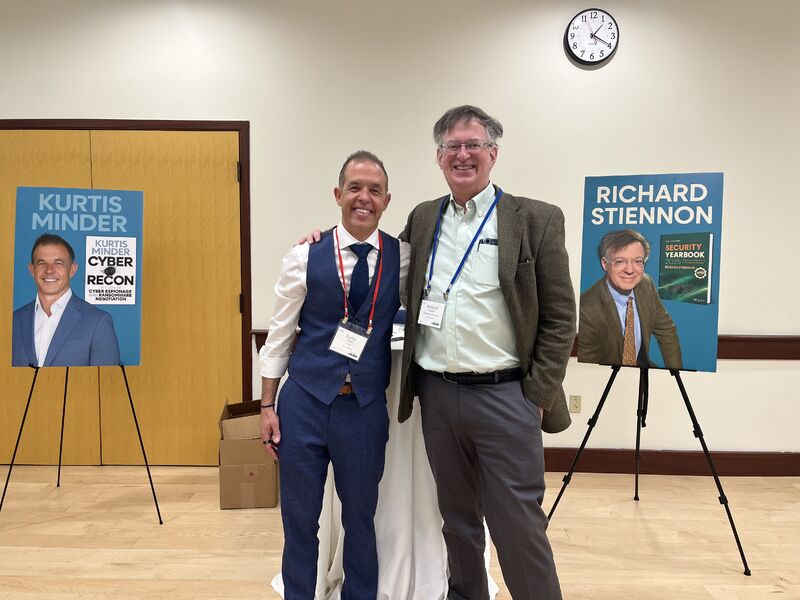
Richard Stiennon
Chief Research Analyst - IT Harvest
frmr. VP of Research - Gartner
Richard founded IT-Harvest in 2005 to cover the 4,550+ vendors that make up the IT security industry. He has presented on the topic of cybersecurity in 32 countries on six continents. He was a lecturer at Charles Sturt University in Australia. He is the author of Surviving Cyberwar (Government Institutes, 2010) and Washington Post Best Seller, There Will Be Cyberwar, as well as the annual Security Yearbook, published by Wiley for 2025. He was the VP of Research at Gartner. He has a B.S. in Aerospace Engineering from the University of Michigan, and his MA in War in the Modern World from King’s College, London.
Chase Cunningham
Dr. Zero Trust
Dr. Chase Cunningham, “Dr. Zero Trust,” is an internationally recognized cybersecurity expert and has been a key strategist in a variety of corporate endeavors as well as a valuable consultant to the US DoD and the Executive Branch. With over two decades of experience in cybersecurity, Dr. Cunningham has earned a reputation as a thought leader and visionary in the field, specializing in Zero Trust security architecture, threat intelligence, and advanced cyber defense strategies.
His career has been marked by a series of influential roles in both the public and private sectors. He served as a Senior Analyst at Forrester Research, where he developed the firm’s highly regarded Zero Trust framework, which has become the industry standard for cybersecurity strategy. Prior to that, he held pivotal roles in the U.S. Navy, where he worked on advanced cryptographic systems and cybersecurity operations, contributing to national defense efforts.
A frequent keynote speaker at major cybersecurity conferences, he is known for his ability to distill complex security challenges into actionable insights. He has authored numerous white papers, articles, and books on cybersecurity, and his work is regularly cited by industry leaders, government agencies, and academic institutions. His most recent book, Cyber Warfare: Truth, Tactics, and Strategies, has been added to the national cybersecurity canon hall of fame and has been praised as essential reading for cybersecurity professionals and strategists.
Chase holds a PhD in Computer Science and Cybersecurity from Colorado Technical University, where his research focused on advanced threat detection and algorithmic detection of insider threat tactics. He is also a Certified Information Systems Security Professional (CISSP) and a Certified Ethical Hacker (CEH).
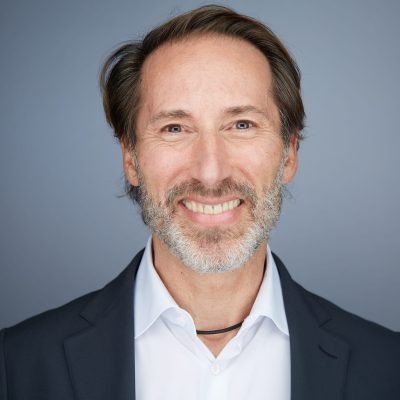
Tim Rohrbaugh
Founder - RadicalNotion.AI, 3x Public Co. CISO
Tim Rohrbaugh brings 20+ years of C-level cybersecurity leadership to the frontier of AI for security and applied engineering. As founder of RadicalNotion.AI and former CISO of JetBlue Airways, he has built and operated enterprise programs that protect high-value, regulated data— including responsibility for safeguarding more than 40 million consumer records at a public financial services company.
A career security architect and systems engineer, Tim advances a practical view of GenAI as “augmented intelligence”: trustworthy, domain-tuned reasoning agents that reduce noise, challenge bias, and accelerate evidence-backed decisions without exposing IP. He has served as Vice Chair of the Airlines for America Cyber Security Council and as a board member of the Online Trust Alliance, where he contributed to national privacy and security policy. His work has been recognized with multiple awards, including Top Global CISO by Cyber Defense Magazine. Tim holds two joint patents in identity verification and authentication and is a frequent speaker and advisor to boards and engineering teams alike.
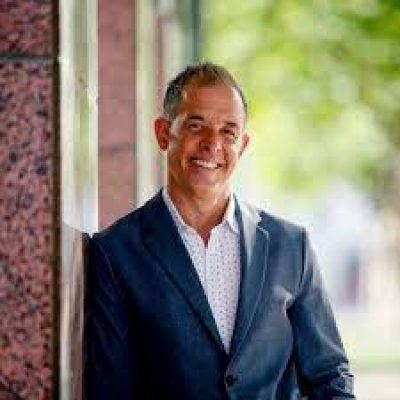
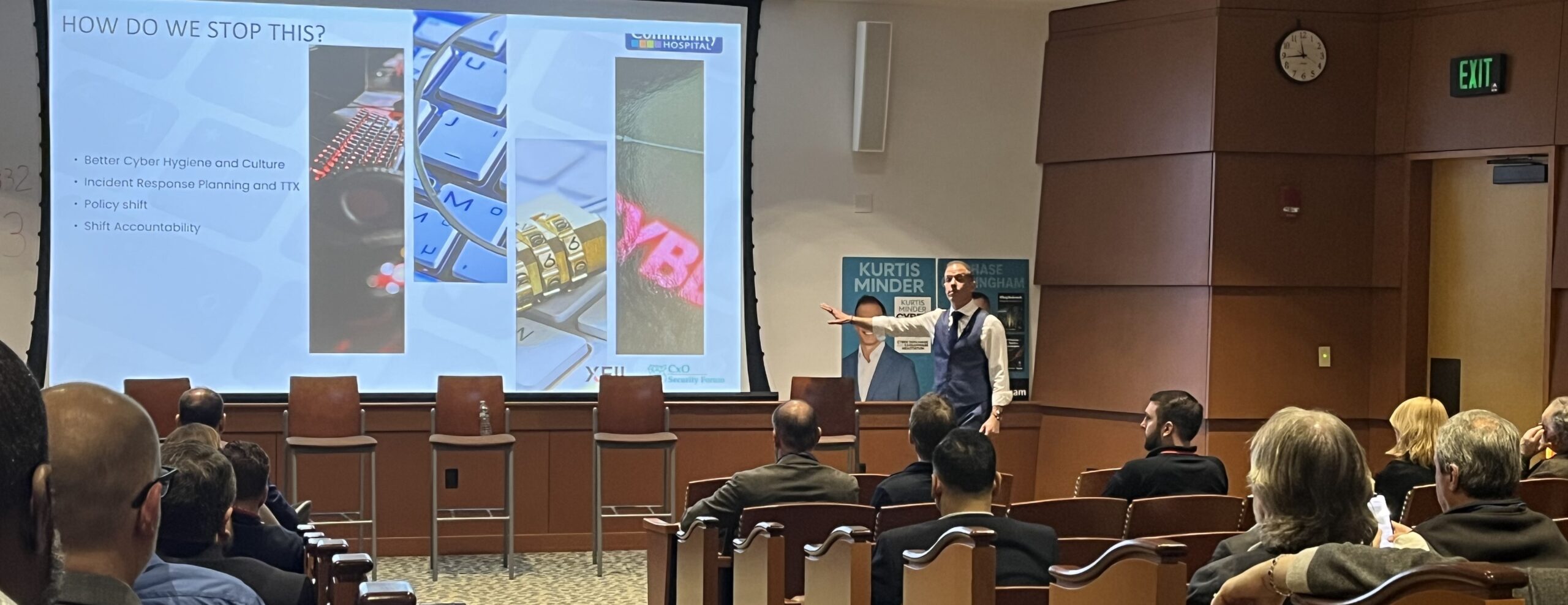
Kurtis Minder
CEO & Co-Founder, GroupSense
Author, Cyber Recon: My Life in Cyber Espionage and Ransomware Negotiation
Kurtis Minder is one of the world’s foremost experts in ransomware response and cyber threat intelligence. As CEO and co-founder of GroupSense, he has led negotiations in some of the largest ransomware and data extortion cases globally, engaging directly with threat actors and nation-state affiliates.
With over 25 years in cybersecurity—including roles at Fortinet, AT&T, and Citrix-acquired Caymus Systems—Kurtis has combined operational security, cyber reconnaissance, and real-world intelligence tradecraft into a uniquely effective digital risk strategy. His pioneering work and insights have been featured in The New Yorker, BBC, The Wall Street Journal, and Fortune.
At ACCSFF 2025, Kurtis will deliver a TED-style keynote and participate in a moderated discussion on themes from his acclaimed new book, Cyber Recon, offering a rare behind-the-scenes look at the people, tools, and tactics behind today’s cyber espionage and ransomware ecosystem.

Amanda Draeger
Principal Cyber Risk Engineer, Liberty Mutual Insurance
Amanda Draeger is an accomplished cybersecurity leader, with a distinguished career rooted in leadership, education, and technological excellence. As a Sergeant Major in the U.S. Army, Amanda exemplified these traits by not only educating and leading fellow soldiers, but by becoming one of the first four women to ever achieve the GIAC Security Expert (GSE) designation from SANS.
Now retired from the armed forces, she utilizes her expertise, knowledge, and passion for educating others in her role at Liberty Mutual as a Principal Cyber Risk Engineer. In this role she provides subject matter expertise to underwriters and insureds on critical cybersecurity topics, as well as presenting at major infosec conferences around the country. Outside of work, Amanda is a fiber arts enthusiast.
Special Agent Alexandra Sevillano
FBI New Haven
SSA Michelle Liu is a 14-year veteran of the FBI and currently serves as a Supervisory Special Agent in the Cyber Division of the FBI’s Newark Field Office. With deep expertise in national security, counterintelligence, and cybercrime, SSA Liu leads efforts to investigate and disrupt advanced threat actors targeting U.S. infrastructure and private sector organizations. She also serves as the Program Manager for Midnight Blizzard, one of the FBI’s highest-priority cyber initiatives. Known for her strong partnerships with industry, SSA Liu works closely with companies across New Jersey to share threat intelligence and support victims of ransomware, business email compromise, and emerging AI-driven threats.

Mark Sangster
Cybersecurity Author, Strategic Advisor, and Storyteller of the Unseen
Mark Sangster (mbsangster.com/) is a recognized authority on cybersecurity risk and a compelling voice in the fight against digital crime. A celebrated author and award-winning speaker, Mark brings a unique ability to distill complex cyber threats into practical, boardroom-ready insights. His books, No Safe Harbor and Cyber-Conscious Leadership, challenge conventional thinking by exposing the stories that don’t make headlines—highlighting the human and systemic failures behind major breaches.
Mark’s thought leadership spans industries and continents, with appearances on major stages including Harvard Law School and RSAConference, and contributions to The Wall Street Journal, CSO Magazine, and other leading media. He’s an advocate for shifting the cybersecurity conversation away from technical jargon and toward real business risk—translating the language of threat intelligence into the language of leadership.
With deep insight into emerging threats, geopolitical risks, and the psychology of cybercrime, Mark arms executives with the frameworks they need to lead resilient organizations. Whether drawing parallels between cyberattacks and aviation disasters or unraveling the hidden mechanics of “grey crime,” Mark’s work is as thought-provoking as it is actionable.
At the Forum, expect a conversation that’s more than informative—it’s transformative.

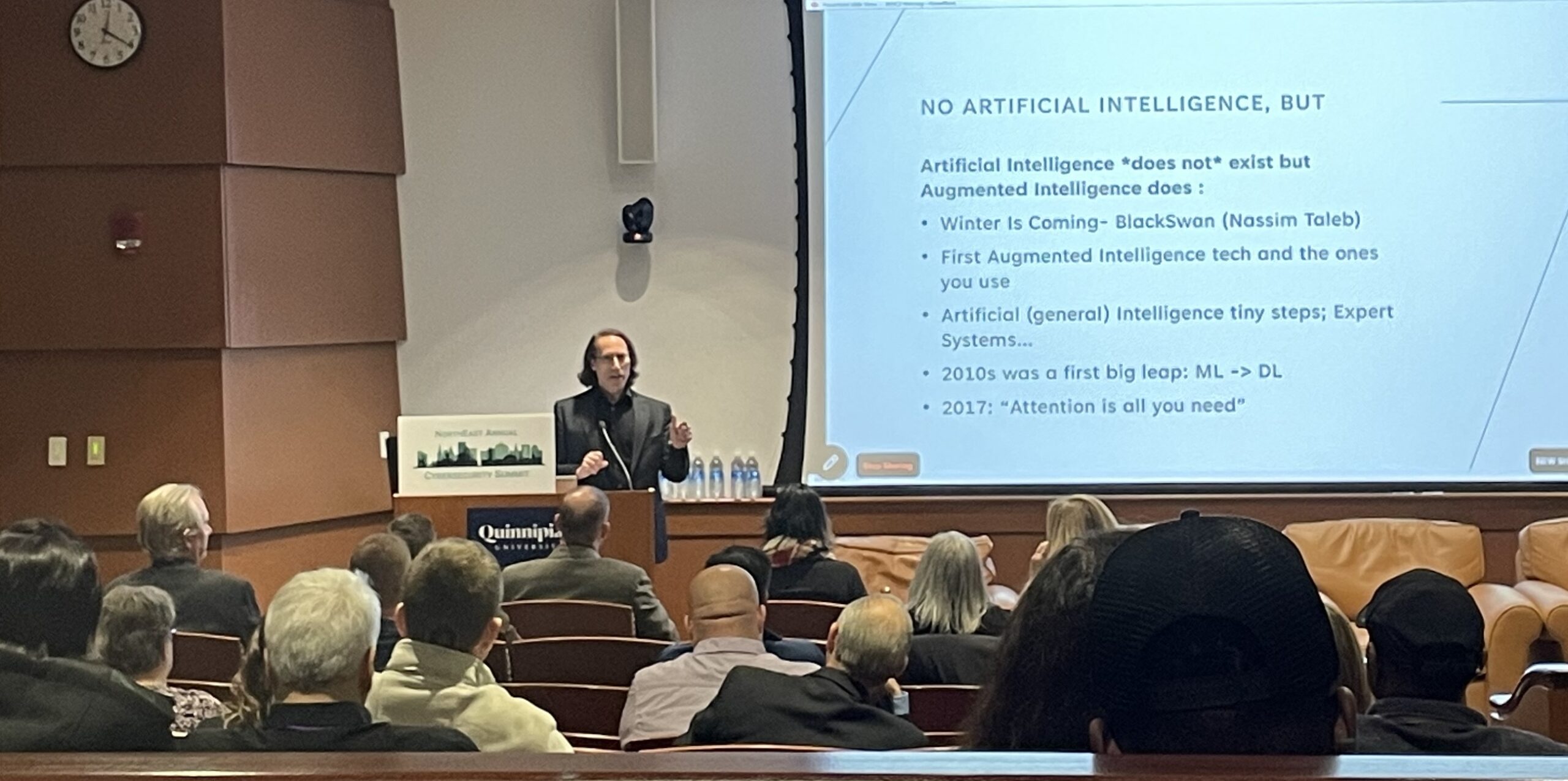
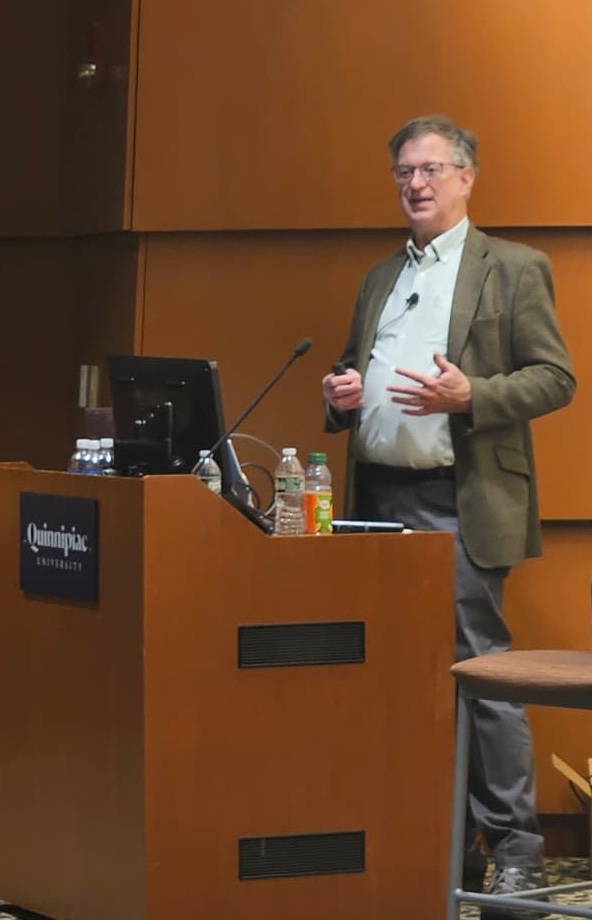
Dr. Frederick Scholl
Quinnipiac University - Program Director Cyber & Associate Teaching Professor
Frederick Scholl is a highly accomplished Global Senior Information Security Risk Manager. Dr. Scholl earned a BS and Ph.D. in Electrical Engineering from Cornell University. He is currently at Quinnipiac University, where he is MS Cybersecurity Program Director and Associate Teaching Professor. Previously, Fred founded Monarch Information Networks, LLC to enable trusted clients to protect their information. He also served as Senior Manager of Information Security and Control for Nissan Americas. His business experience also includes co-founding Codenoll Technology Corporation (NASDAQ: CODN) where he was Senior Vice President and Board Member. Career accomplishments also include 13 US Patents related to network technology and fiber optics. He chaired the IEEE committee that wrote the first standard for Ethernet communication over fiber optic links, now used world-wide.

Tirthankar Ghosh, PhD.
Chair Professor, Department of Electrical and Computer Engineering & Computer Science
Director of Connecticut Institute of Technology, University of New Haven
Dr. Tirthankar Ghosh has 20+ years of experience in cybersecurity education and research and received and managed several grant-funded projects from National Science Foundation, National Security Agency / Department of Defense, Office of Naval Research, state governments including Florida department of Transportation, Florida Department of Education through CyberFL, and Minnesota IT, and private sectors.
Dr. Ghosh has experience working in the Minnesota and Florida higher education systems where he led several initiatives on research and education at the state and national levels before joining University of New Haven in the fall of 2023. Dr. Ghosh has published several papers on threat and anomaly detection, and scenario-based learning and competency assessment. Dr. Ghosh has a bachelor’s degree in Electrical Engineering and a master’s and Ph.D. in Computer Engineering.
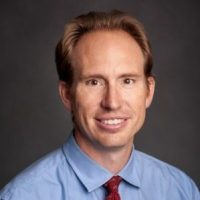
Dr. Chad Williams
Chair, Computer Science Department - Central Connecticut State University
Dr. Chad Williams is Chair of the Computer Science Department at Central Connecticut State University. Central has earned the distinction of being a National Center of Academic Excellence in both Cyber Operations (CAE-CO) and Cyber Defense (CAE-CD), one of only 18 institutions nationwide with both designations. Before transitioning to academia, Dr. Williams worked as a technical lead at Accenture, delivering secure software solutions for Fortune 500 clients in insurance, capital markets, banking, and credit reporting. Recognizing the importance of both theoretical knowledge and practical experience, Central’s cybersecurity program was designed to ensure that graduates gain hands-on work experience prior to graduation, enabling them to contribute immediately to industry needs.
Some of our Notable Past Discussion Leaders Include
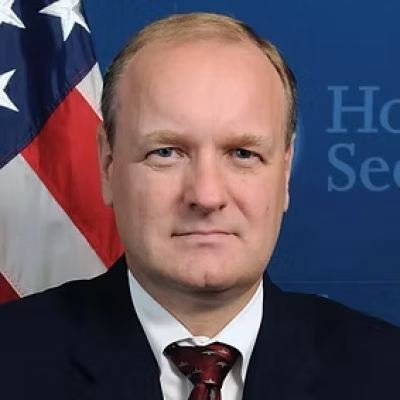
Dr. Robert C. Riegle, J.D.
CEO, TripleID | Former Director, U.S. Department of Homeland Security
Dr. Robert Riegle is a nationally recognized authority on intelligence sharing, critical infrastructure protection, and national security policy. He currently serves as CEO of TripleID, a company pioneering next-generation identity and authenticity solutions for operational technology, edge devices, and autonomous systems.
Previously, Dr. Riegle served as Director of the State and Local Program Office within the Office of Intelligence & Analysis at the U.S. Department of Homeland Security (DHS), where he was instrumental in shaping the national intelligence-sharing framework between federal agencies and state and local Fusion Centers. As a senior executive and intelligence officer, he co-led DHS-wide efforts to formalize policy for interagency collaboration and helped align intelligence coordination across multiple domains, including counterterrorism, cyber, and counterintelligence.
His earlier roles include serving with the Defense Intelligence Agency in support of Operations Iraqi Freedom and Enduring Freedom, and in leadership positions at Booz Allen Hamilton, Chevy Chase Bank, and Indeck Power. A veteran with multiple commendations, Dr. Riegle holds a J.D. from The Catholic University of America and a B.S. in Government from the University of Maryland.
Dr. Riegle brings a unique lens to today’s challenges at the intersection of national security, technology, and trust—championing the need for verifiable authenticity in the systems we rely on most.
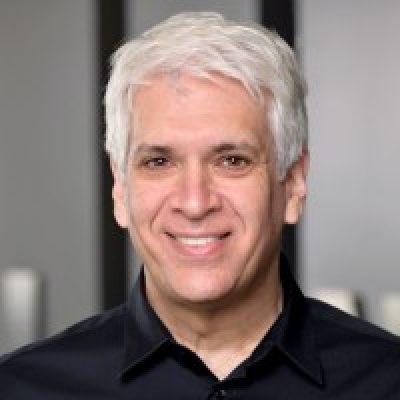
Ira Winkler
Award winning CISO, top-rated keynote speaker & bestselling author
A frank disucssion on the mistakes most CISOs are making when it comes to the cybersecurity budget, planning, hiring, and purchasing processes
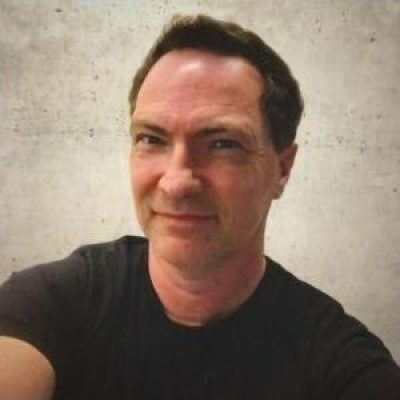
Gavin A. Grounds
Artificial intelligence (AI) is reshaping the landscape of cybersecurity governance, risk, and compliance (GRC), presenting both transformative opportunities and complex challenges. This session addresses the critical question facing executives: how can we harness the innovative potential of AI while managing its inherent risks and meeting regulatory demands?


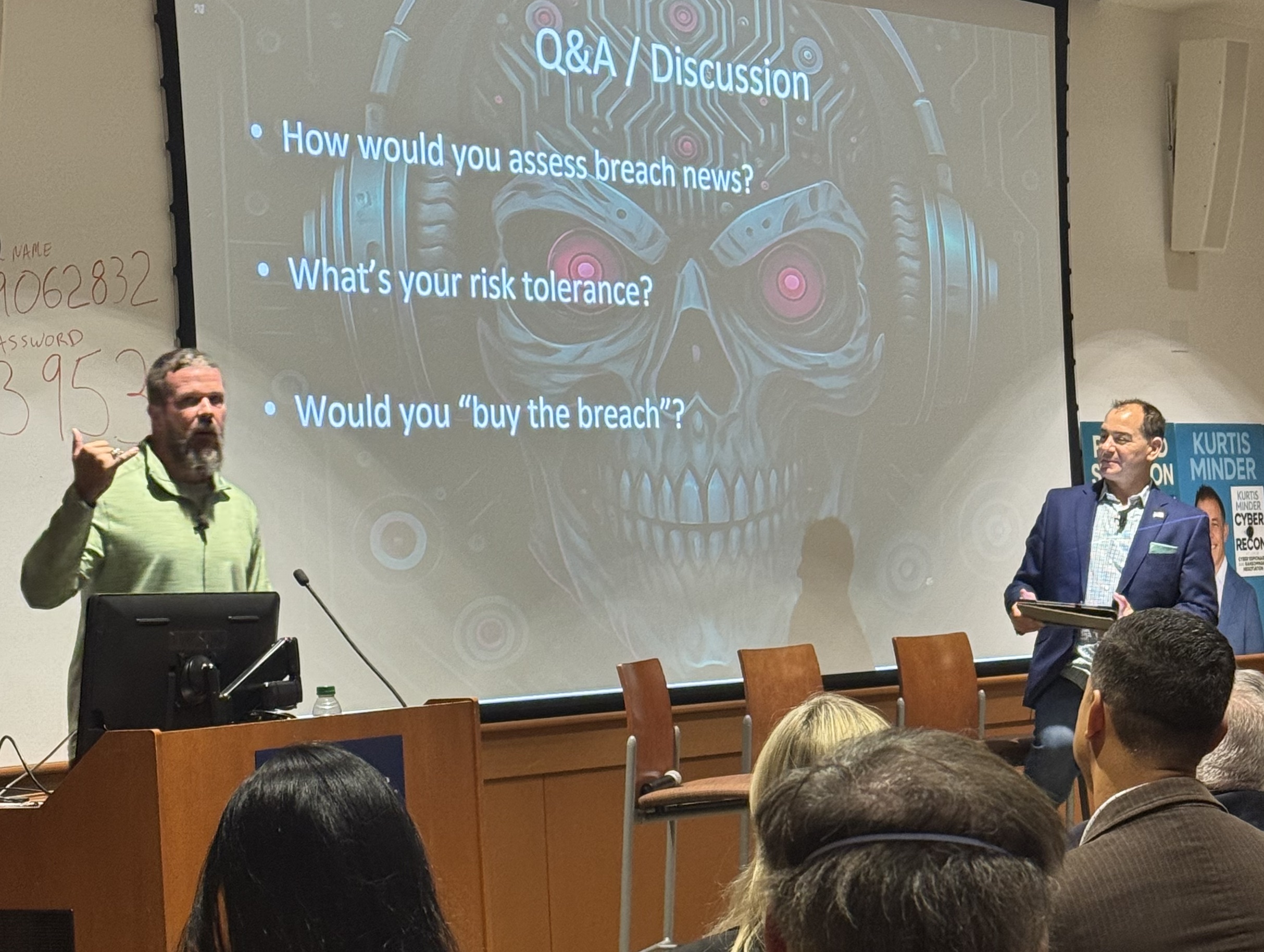

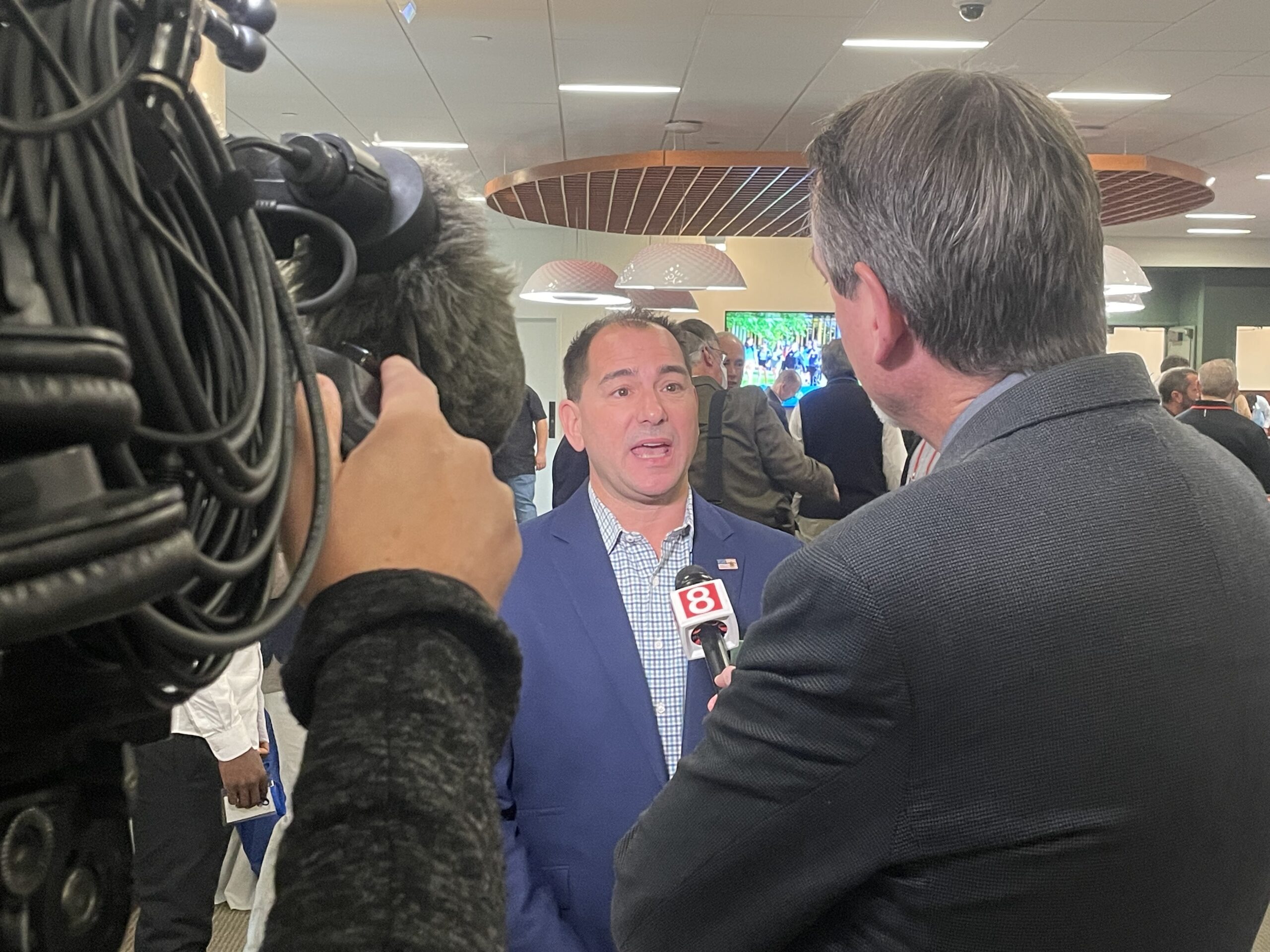
About CxO Forum
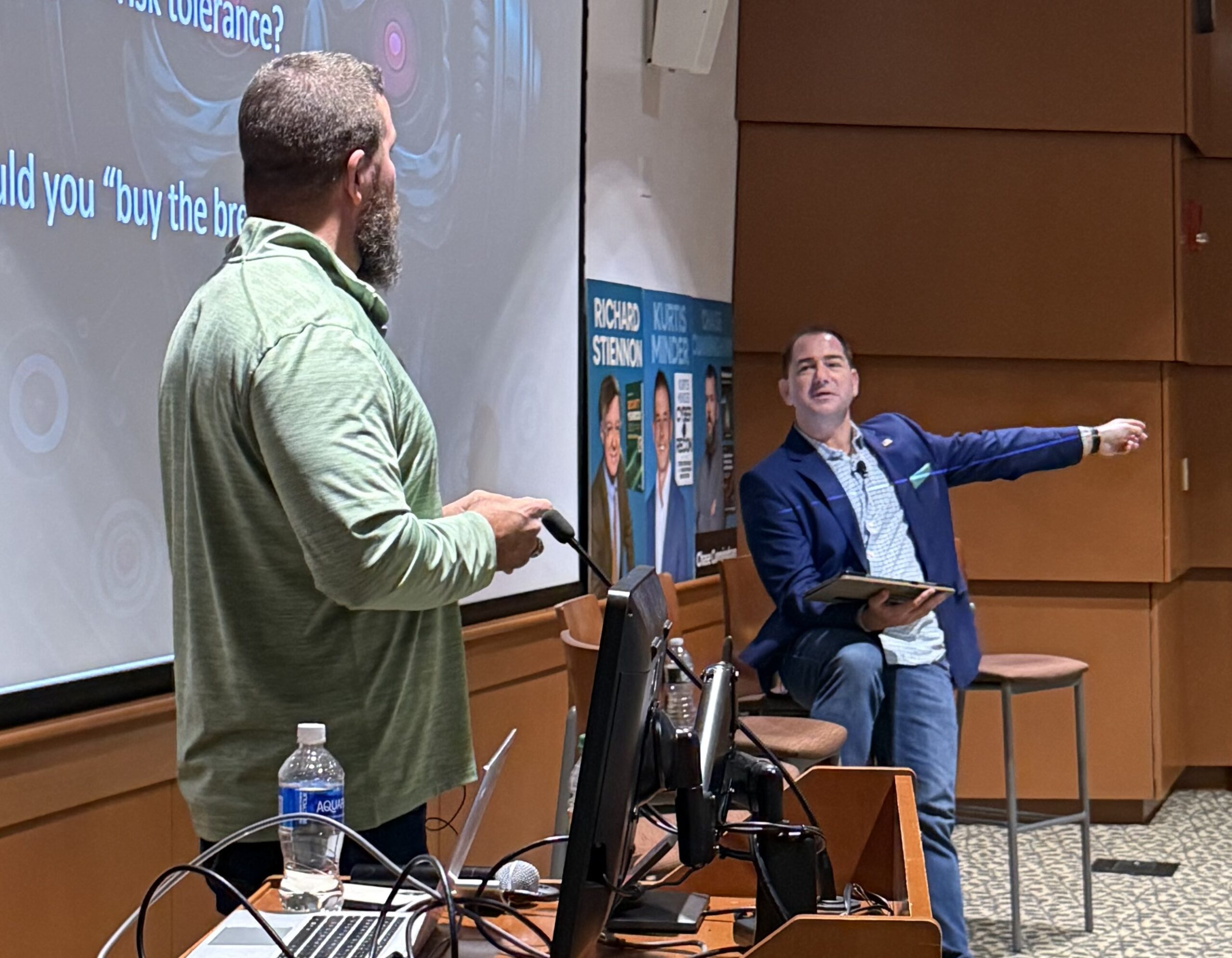
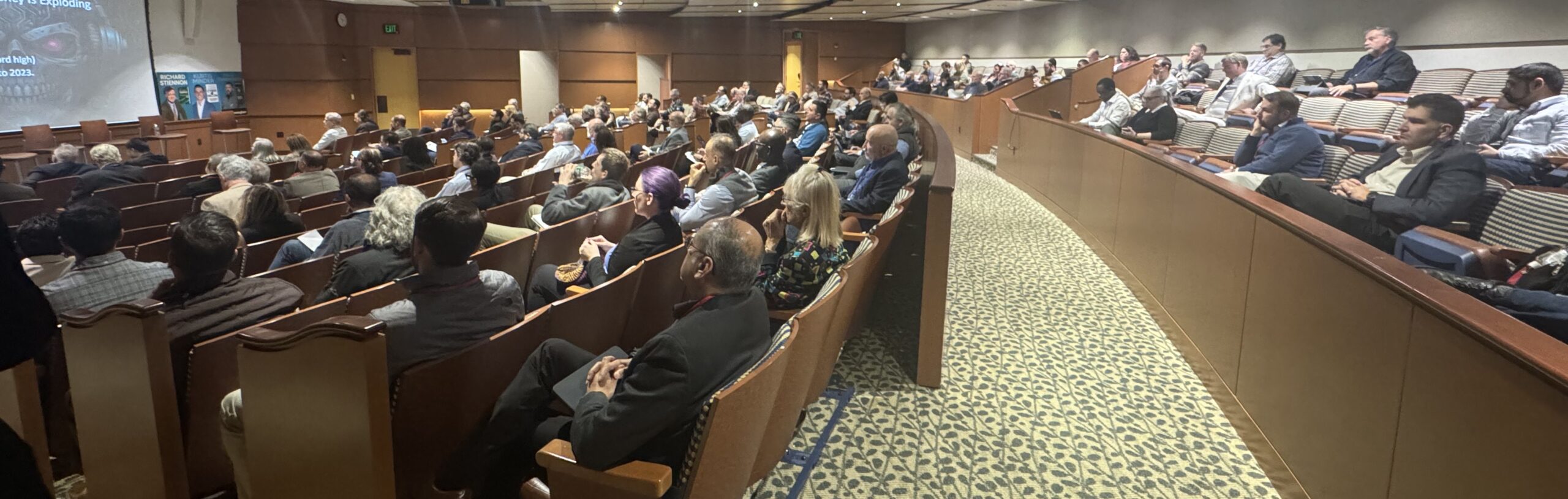
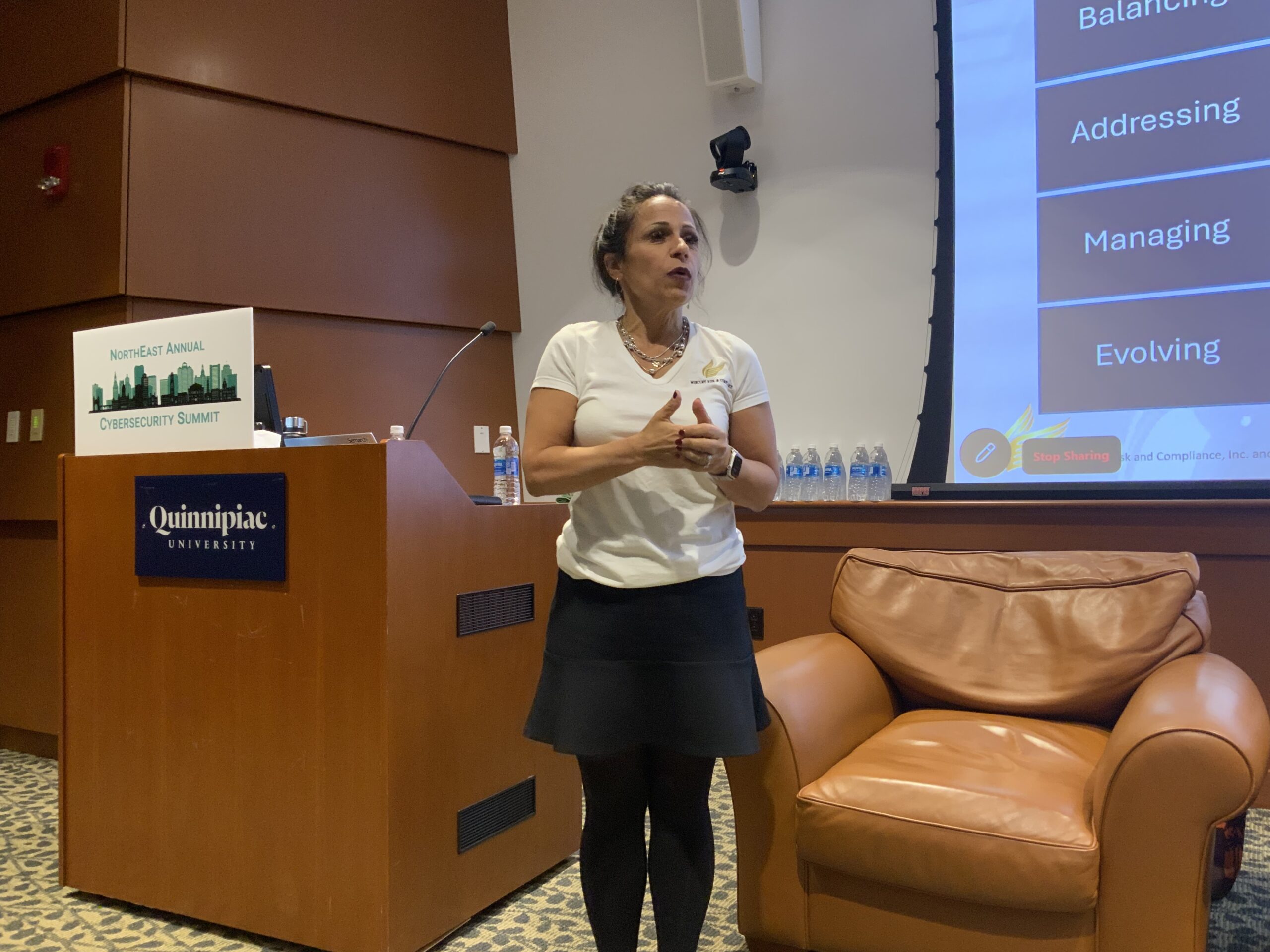
CxO Security Forum began as a response to a common frustration among senior cybersecurity leaders: the way enterprise solutions are marketed, sold, and evaluated is fundamentally broken. What started as a call for change has grown into a trusted community that puts executive practitioners at the center of the conversation.
We bring together CISOs, CIOs, and senior decision-makers who are responsible for protecting their organizations, guiding strategic risk, and navigating the evolving role of AI in security. Every forum, gathering, and conversation is designed to foster education, mentoring, and authentic peer connection.
What makes us different is our focus on relationships. Our events are intentionally small, curated, and built for real dialogue. Sponsors are carefully selected, and there are no product pitches. Participants come for thoughtful, actionable conversations that support both professional development and practical decision-making.
At CxO Security Forum, the goal is simple. Give experienced leaders a space to learn from one another, to share insight, and to build meaningful connections that last beyond the event itself.
Location
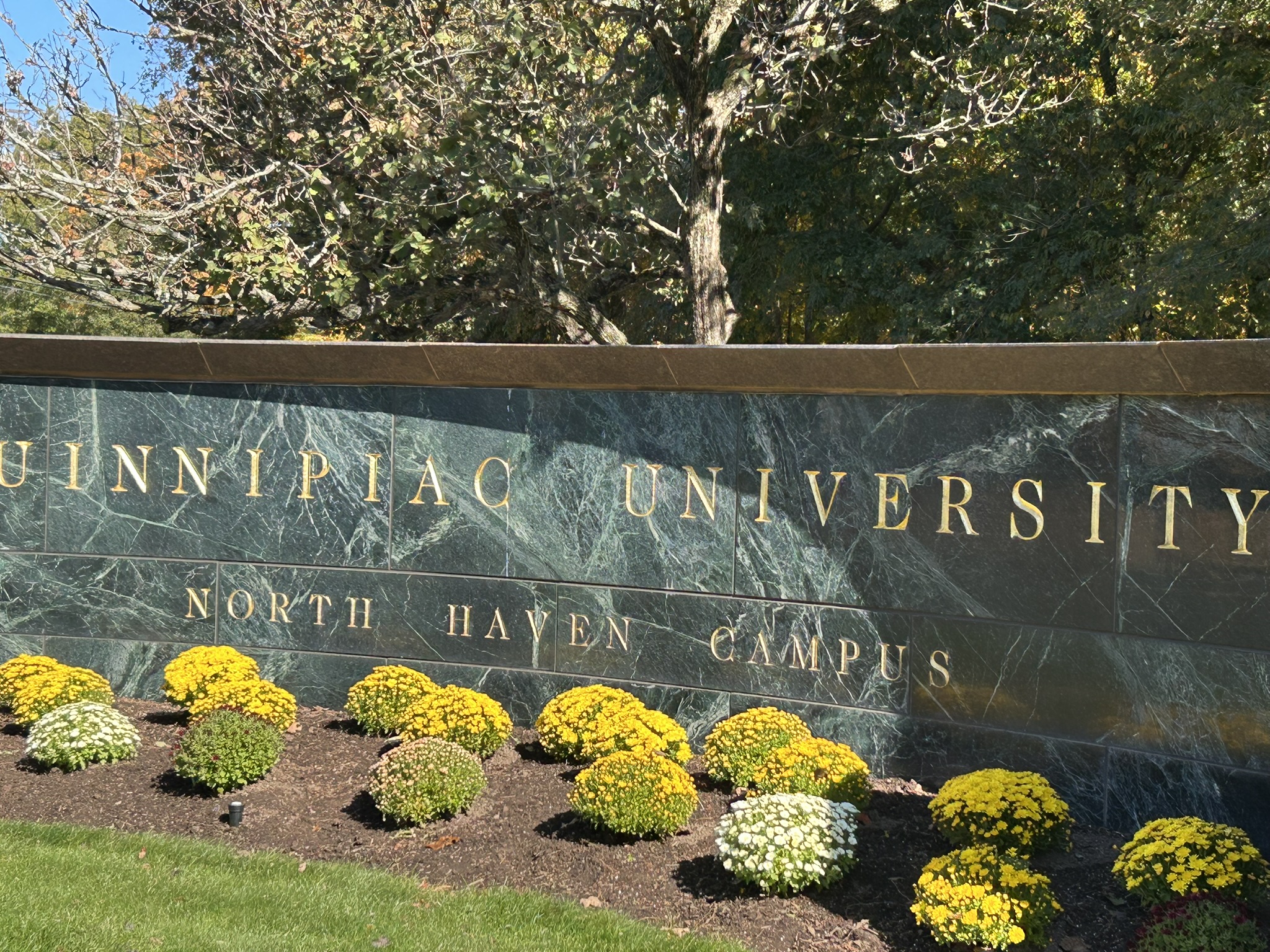
University of New Haven
300 Boston Post Rd.
West Haven, Connecticut 06516

Registration
Registration is open only to qualified executives (excluding Sales, Marketing, and Business Development!)
© 2026 CxO Security Forum. All rights reserved