From Conflict to Cooperation? Reflections on the Guest Keynote at Gartner SRM 2025

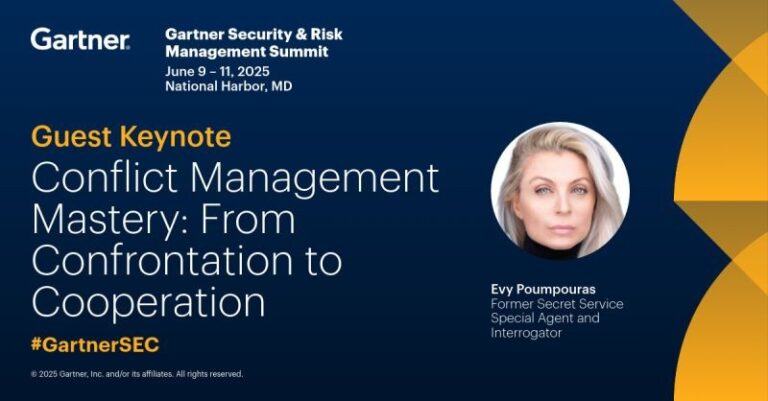
As someone who has worked closely with members of the U.S. Secret Service over the years, I walked into Evy Poumpouras’ keynote at the Gartner Security & Risk Management Summit with high expectations. Her impressive credentials—a former Secret Service agent, polygraph examiner, and interrogator—suggested we’d be in for a tactical, high-impact session.


What we got was… a solid reminder of the basics.


The session, 
“Conflict Management Mastery: From Confrontation to Cooperation,” centered on how to deescalate tension and build trust in difficult conversations. It was packaged as a blueprint used in government intelligence and law enforcement interviews. There were solid takeaways, but for a keynote billed as “mastery,” the content stayed pretty high-level—and for many in the room, probably felt more like Communication Skills 101 than operational insight.

That said, a few themes stuck with me:

1. Label behavior, not people. People aren’t static. Labeling someone as “difficult” or “toxic” reduces them to one dimension. Instead, label the behavior you’re seeing in the moment. This allows for nuance and flexibility—and it’s more likely to get results.


2. You can’t (and shouldn’t) try to change people. 
Her point here: the goal of any conversation under stress is not to change the other person—it’s to accomplish your mission. Stay focused on the outcome, not the ego.

3. The 80/20 Rule of Listening. She cited studies showing most people listen poorly—jumping in after just 0.3 seconds. Her advice? Let others speak 80% of the time, especially upfront. Gather intel before reacting.

4. Control your ego. The real disruptor in many conflicts? Needing to feel respected. If your sense of authority hinges on receiving respect, you’re probably not operating at your best.

5. Use open-ended prompts. “Tell me, explain, describe”—classic interview techniques. These encourage the other person to reveal what actually matters to them—so you’re not solving for the wrong problem. (See more on “TED” here)


In fairness, there were moments where her experience shone through—brief anecdotes about interviewing terrorism suspects or running high-stakes polygraphs—but they were mostly referenced, not explored.

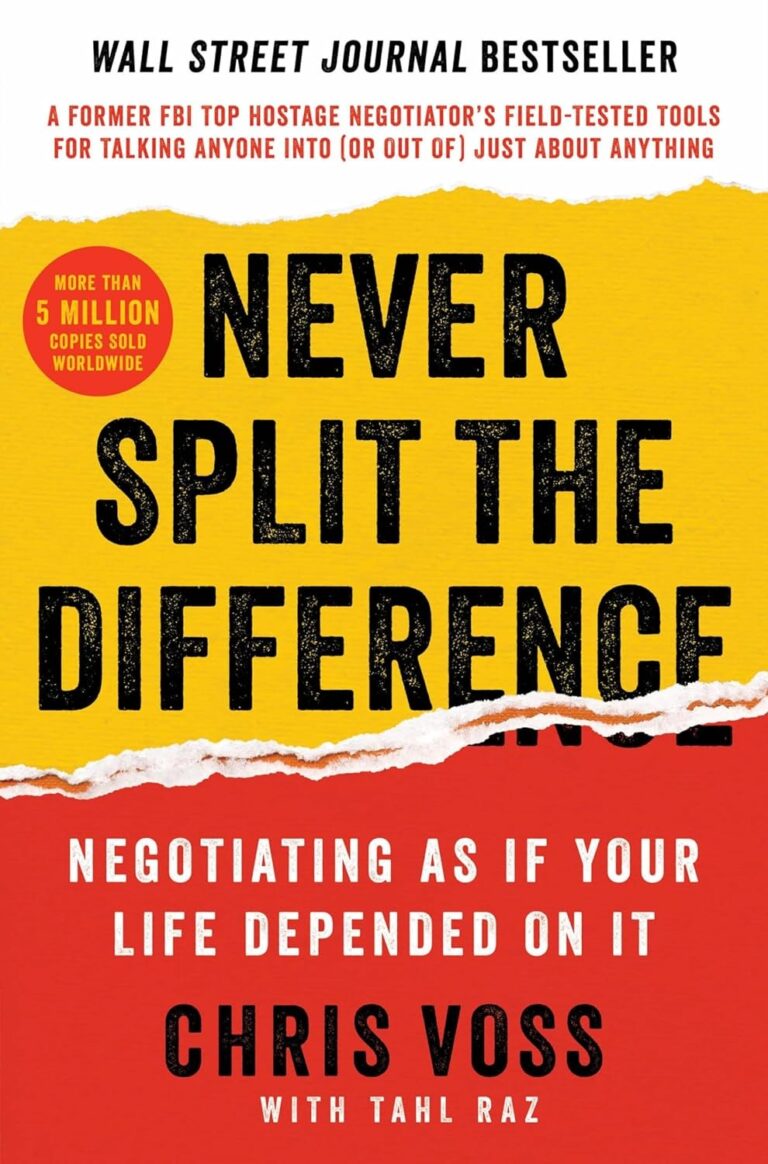
I couldn’t help but compare it to Chris Voss’s Never Split the Difference, which goes deeper into tactical empathy, calibrated questions, and field-tested negotiation frameworks. If you’ve read Voss—or even participated in a few intense stakeholder negotiations—you may have found this keynote more of a refresher than a revelation.

That said, Evy did remind the room of an important truth: we don’t win by overpowering or out-talking. We win by understanding.

If there was one major takeaway I’d pass along to teams in high-pressure roles, it’s this: Let people have the conversation they want to have, before trying to have the conversation you need to have.


Worth keeping in mind—whether you’re managing a crisis, leading an exec meeting, or just trying to get a teenager out the door.